
Threads of Identity – The Evolution of Israeli Fashion and the Attempt to Create a National Dress

The Written Silent, the Visible Absence, and the Text in the Written after 1945 – Materiality of Catastrophe, Exile and Belonging in Barbara Honigmann’s Writings
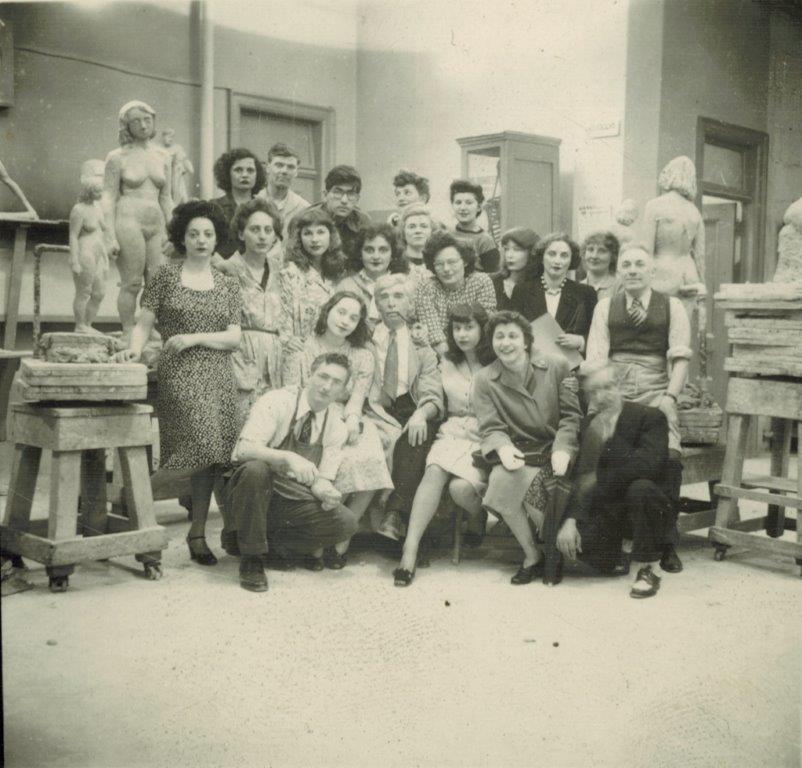
The Origin of Form and the Ephemeral Nature of Belonging(s): Jewish Women Sculptors in Twentieth-Century Vienna
“Home was not Home anymore.” The Destruction of Private Jewish Living Spaces in the November Pogroms of 1938
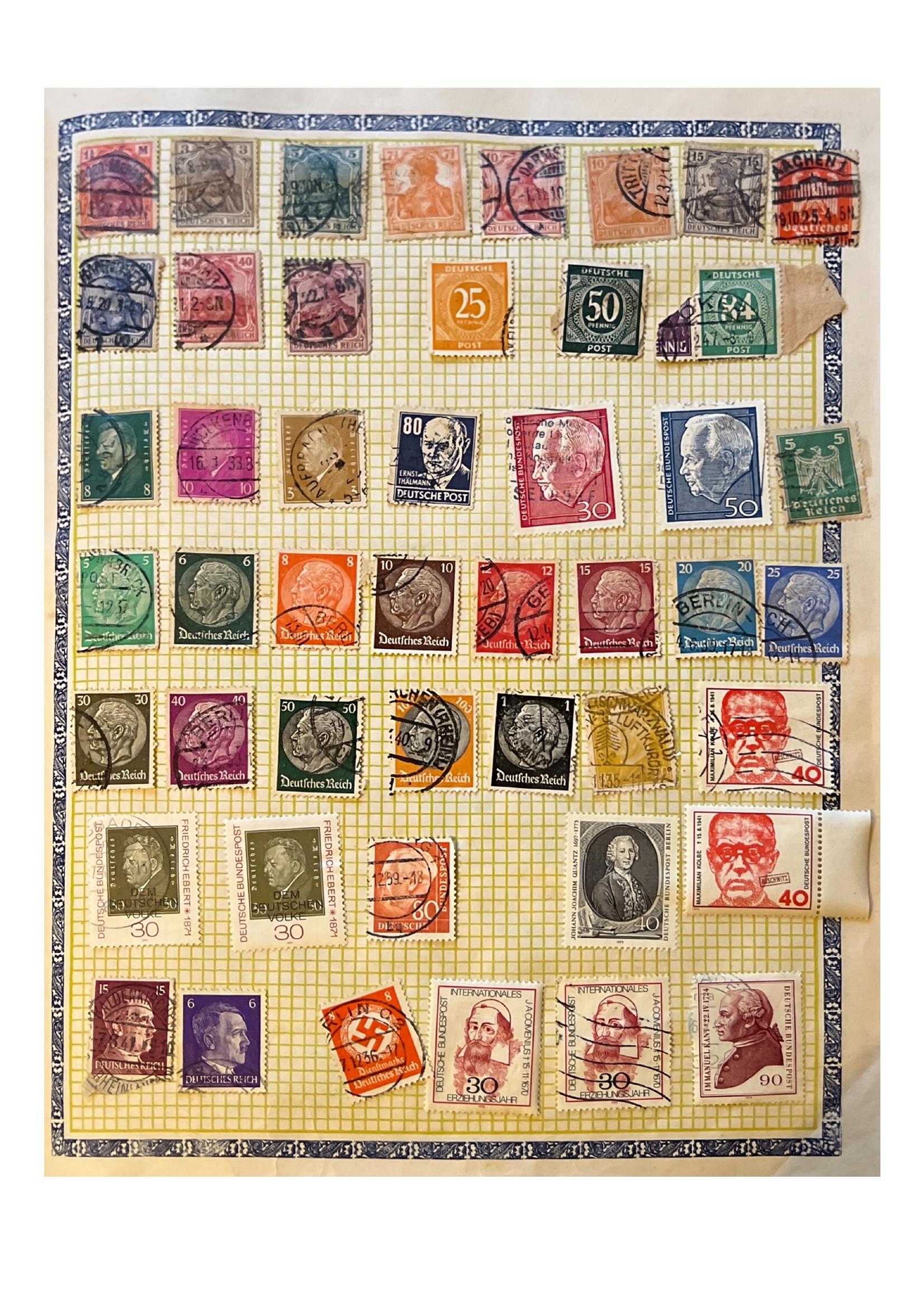
Corresponding with history – Jewish Postage Stamp Collectors and Jewish Emancipation
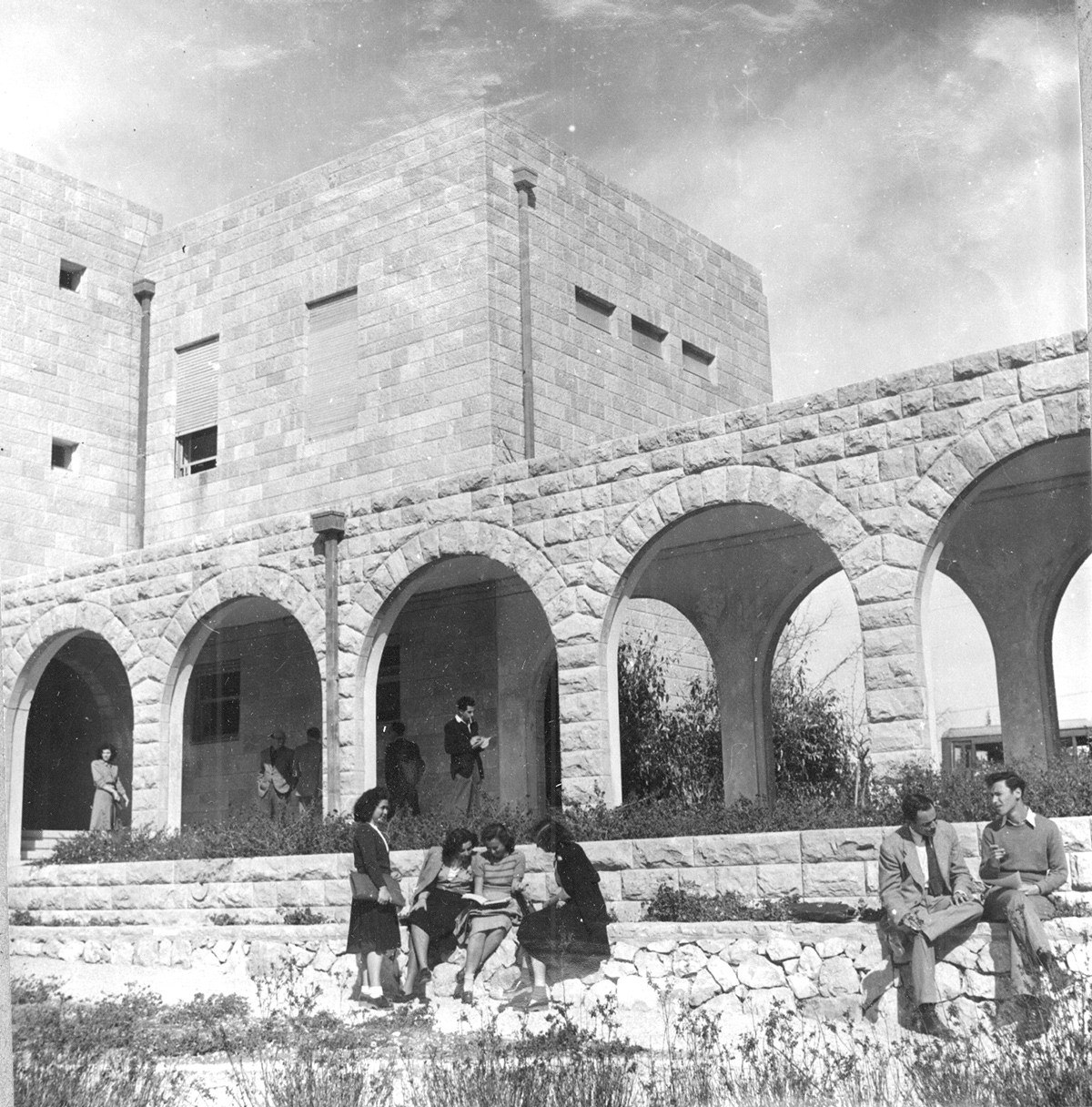
Nation-Building and Cultural Heritage – The Making of the Jewish National Library in Jerusalem, 1892–1948
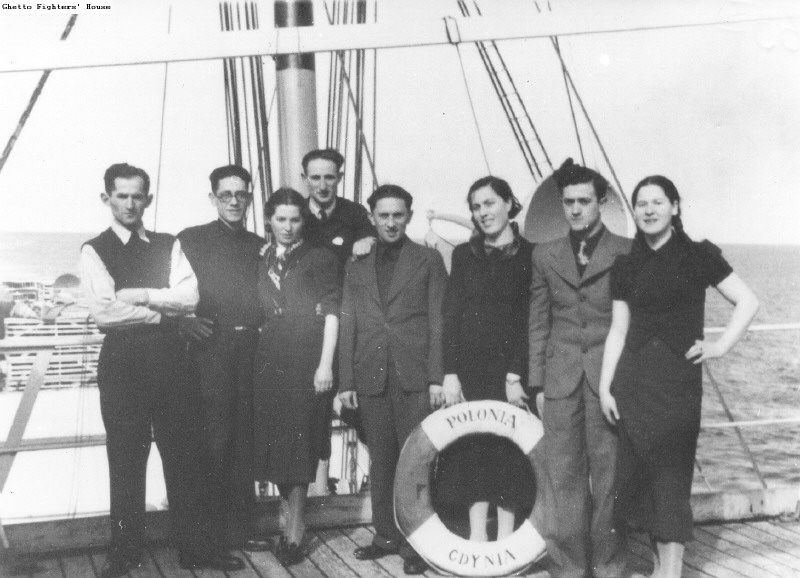
Creating Belonging: Jewish Guidebooks to Eretz Israel in the Polish Print Market (c. 1900–1948)
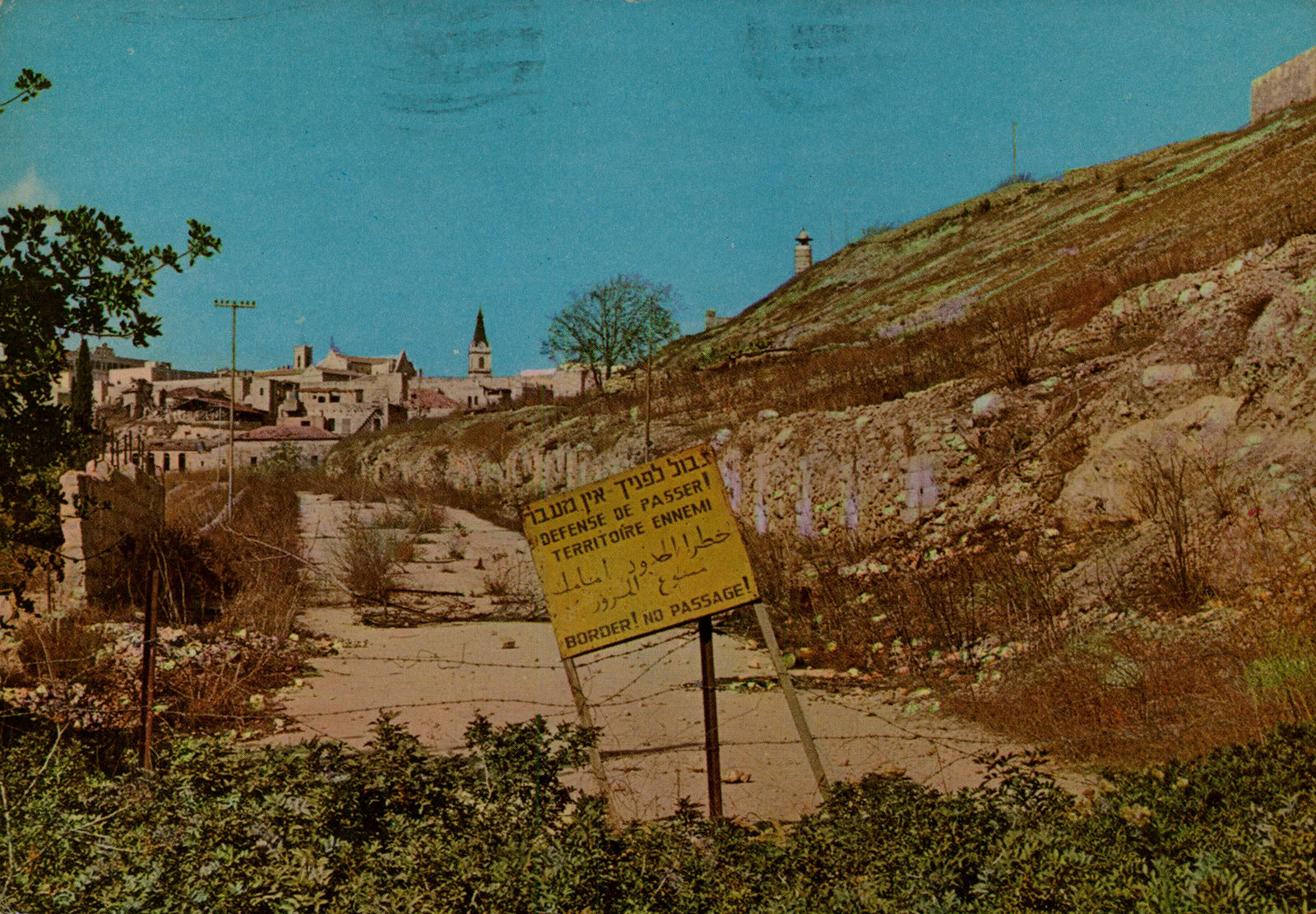
Keeping in Touch: Postcarding Borderscapes in Palestine|Israel – Material Postal Entanglements across Shifting Borders

Between Ruins and Revival – Jewish Identity and Material Heritage in Post-Communist Poland
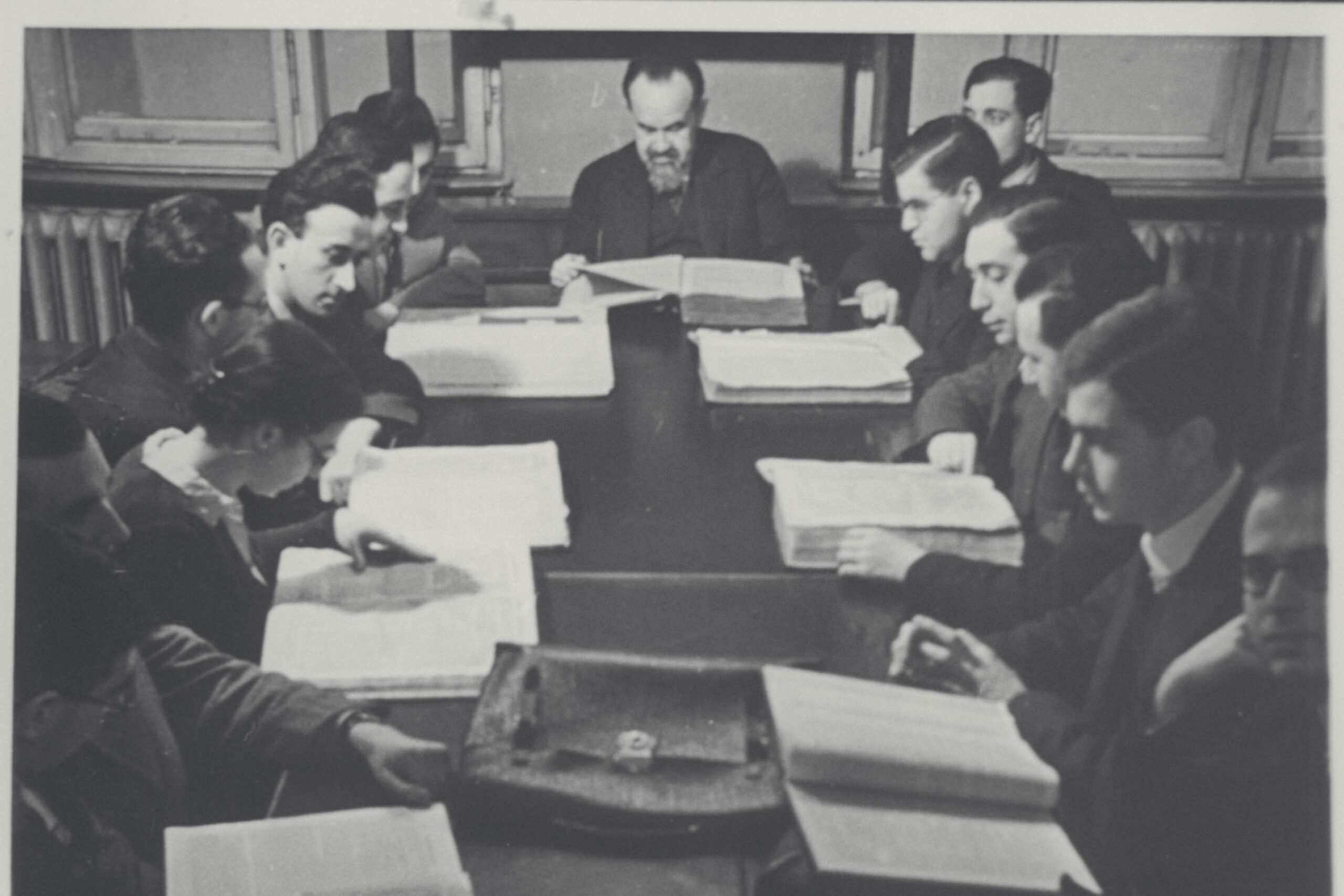
Places of Jewish Knowledge – The Wissenschaft des Judentums and its Material Sites in Berlin’s Urban Landscape, 1871–1961

Traces of belonging(s) – on the materiality of the imprisonment experience of Jewish women in the Ravensbrück women’s concentration camp
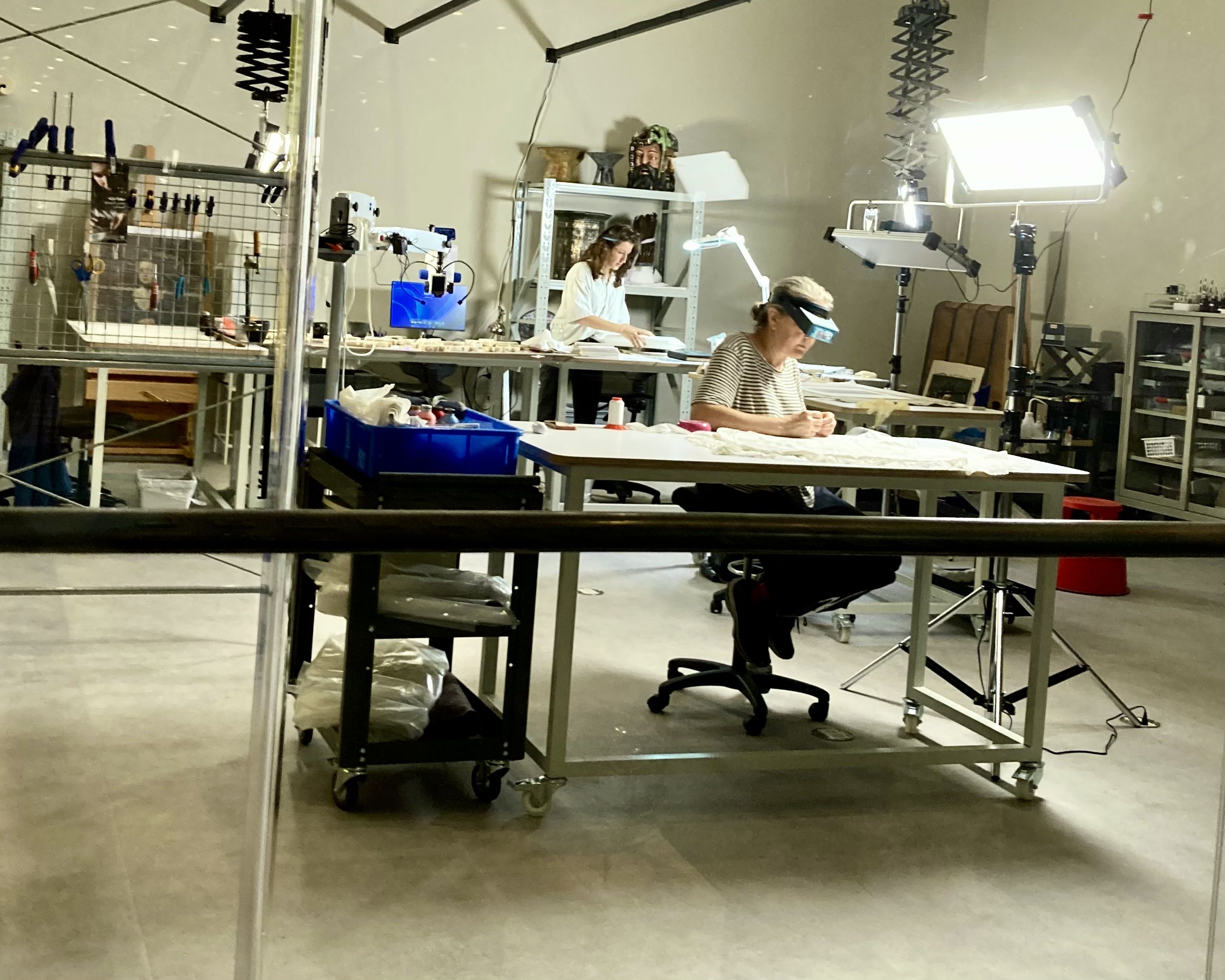
Transmission of the Material Witness: Conservation practice and the testimonial futures of Holocaust objects
To Change, Question, and Criticize – Concepts of a ‘Werk’ and Concepts of Objects in Illustrated Magazines in Berlin and Vienna during the 1920s.
“Mes poumons comme les rouleaux de la Thora” – Towards a Poetics of the Trace: Jewishness, Exile, and Writing in the Work of Hélène Cixous
Copyright by Yad Vashem, The Gold Children Archives honoring the memory of Dr. Norman Gold, Mr. Leo Brandstatter and Mr. A. David Stern
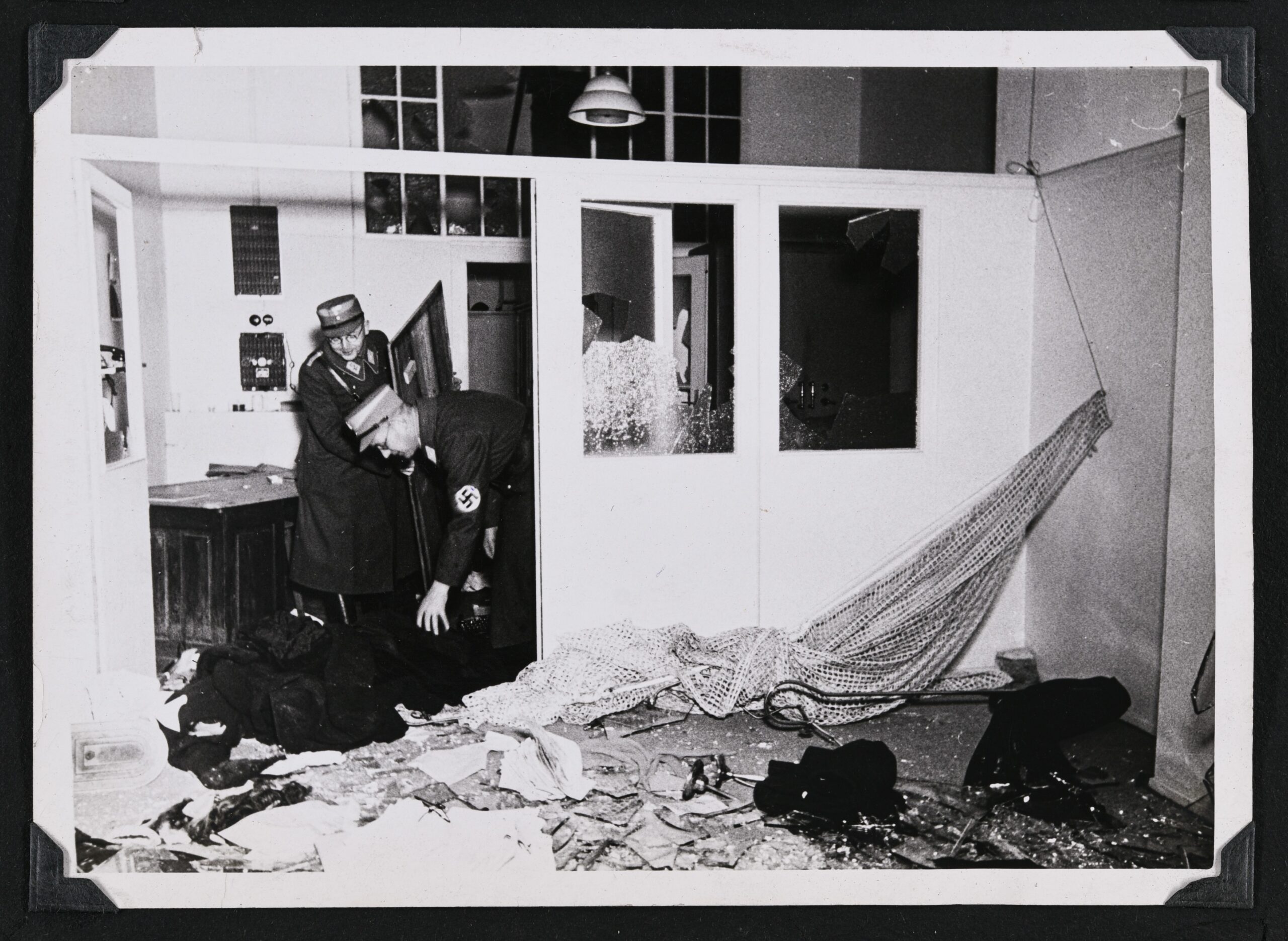
“Home was not Home anymore.” The Destruction of Private Jewish Living Spaces in the November Pogroms of 1938
The November Pogroms of 1938 marked a critical escalation in the persecution of Jews in National Socialist Germany. While the destruction of synagogues and businesses has been widely studied, targeted violence against private Jewish homes remains under-researched. This project addresses that gap by investigating the deliberate and systematic destruction of domestic spaces during the pogroms.
Based primarily on survivor accounts, the study examines how violence entered domestic spaces and how Jewish individuals and families experienced this targeted assault on their homes. My focus is on the practice of violence within private spaces, its long-term consequences for those affected, and the pogrom’s significance as a turning point in the escalation of National Socialist persecution.
The central research questions are: How did the violent, systematic destruction of Jewish private homes and personal belongings during the November Pogroms affect Jewish individuals and families? What does this reveal about the nature of antisemitic pogrom violence in private spaces?
This project draws on the theoretical intersection of material culture, spatial history, and violence studies. A central aspect of the research is the relationship between space and objects within Jewish homes, exploring the meaning of ownership, the loss of belongings, and the psychological and social rupture this caused. The destruction of furniture, religious artifacts, and everyday objects was not incidental, but rather a core element of the violence — a material and symbolic attack on identity and belonging.
Rather than viewing the home merely as a site of pogrom violence, this research highlights its key significance for the individual as a place of privacy, rest, and belonging. It argues that violence against domestic space cannot be separated from violence against individuals: by destroying the objects that shaped everyday life, perpetrators aimed to destabilize the foundations of Jewish existence.