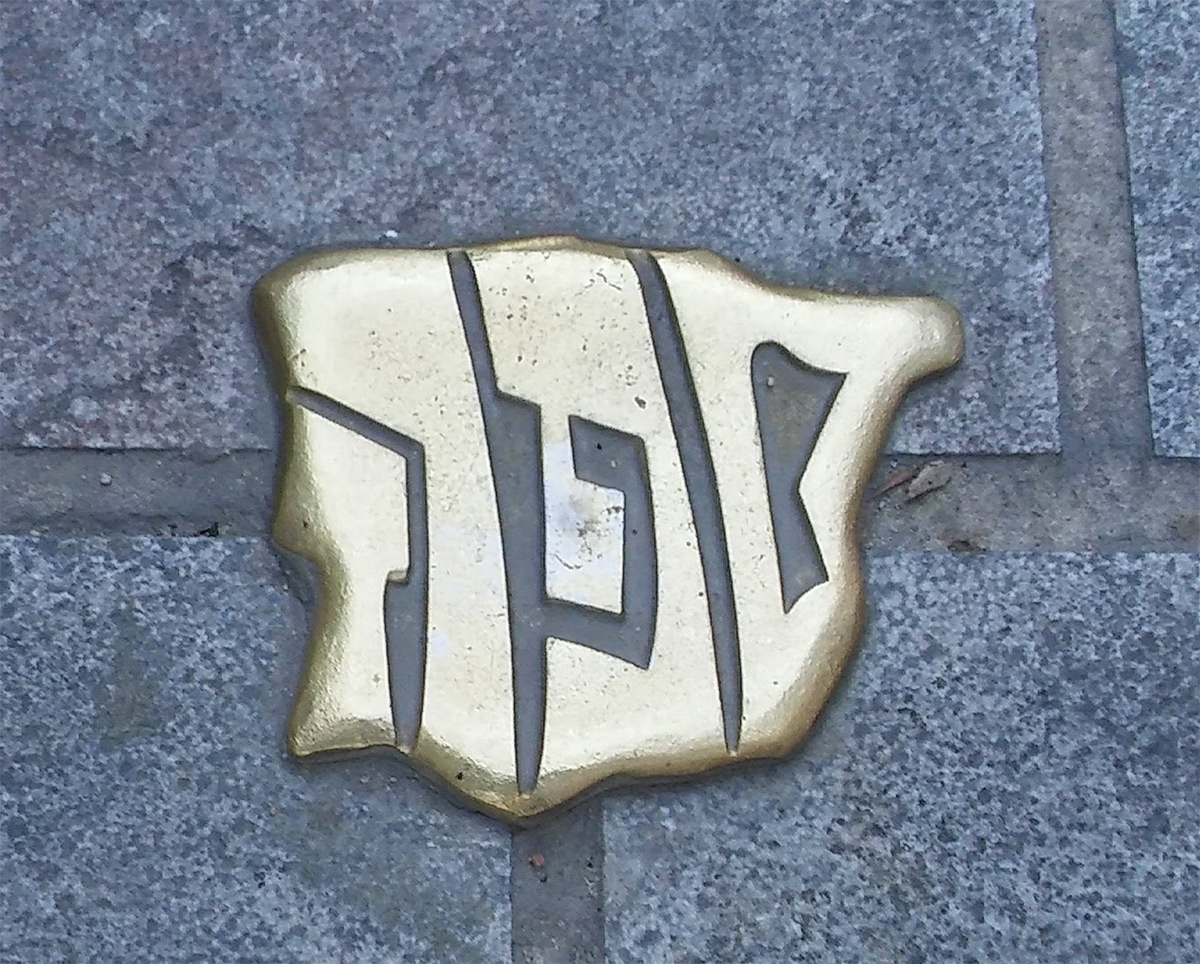
Materializing Memory and Sanctifying Place – Jewish Sephardic Heritage in Contemporary Spain

Threads of Identity – The Evolution of Israeli Fashion and the Attempt to Create a National Dress

The Written Silent, the Visible Absence, and the Text in the Written after 1945 – Materiality of Catastrophe, Exile and Belonging in Barbara Honigmann’s Writings
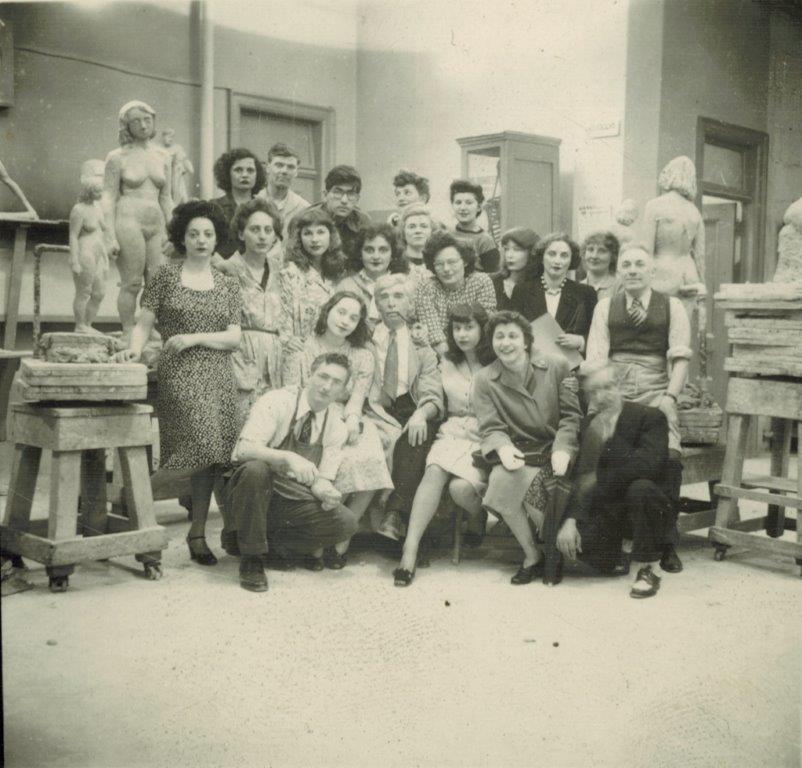
The Origin of Form and the Ephemeral Nature of Belonging(s): Jewish Women Sculptors in Twentieth-Century Vienna
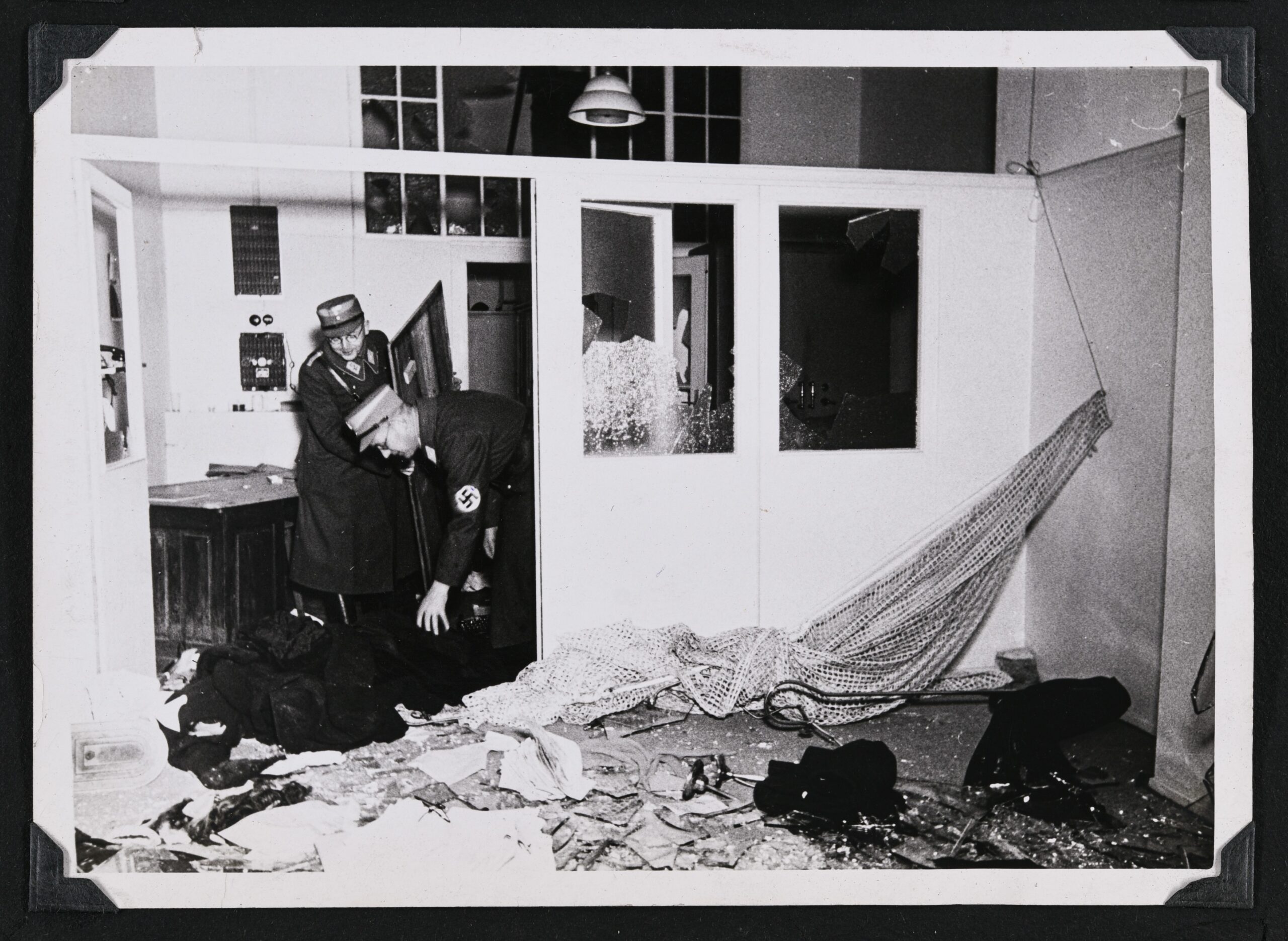
“Home was not Home anymore.” The Destruction of Private Jewish Living Spaces in the November Pogroms of 1938
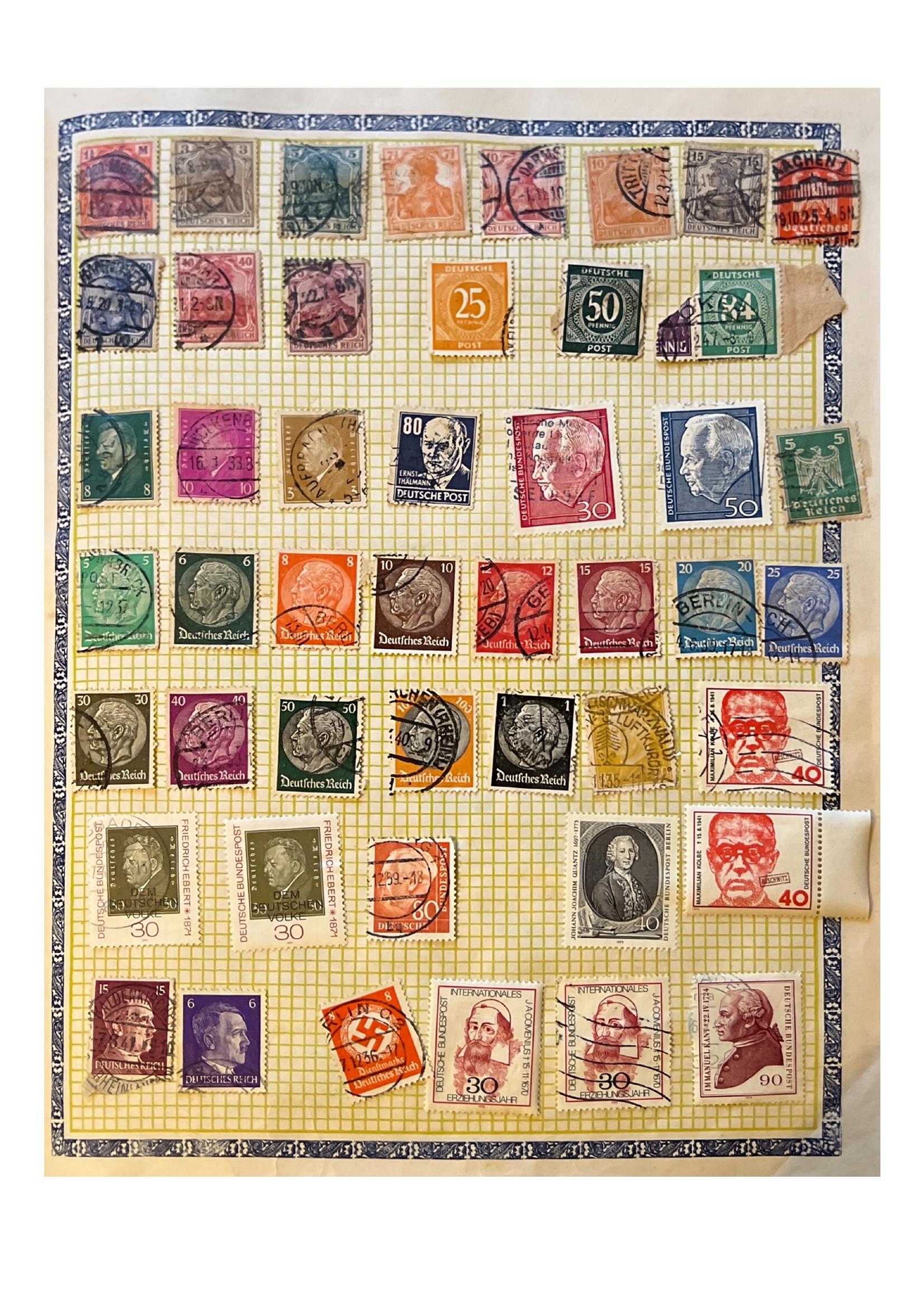
Corresponding with history – Jewish Postage Stamp Collectors and Jewish Emancipation
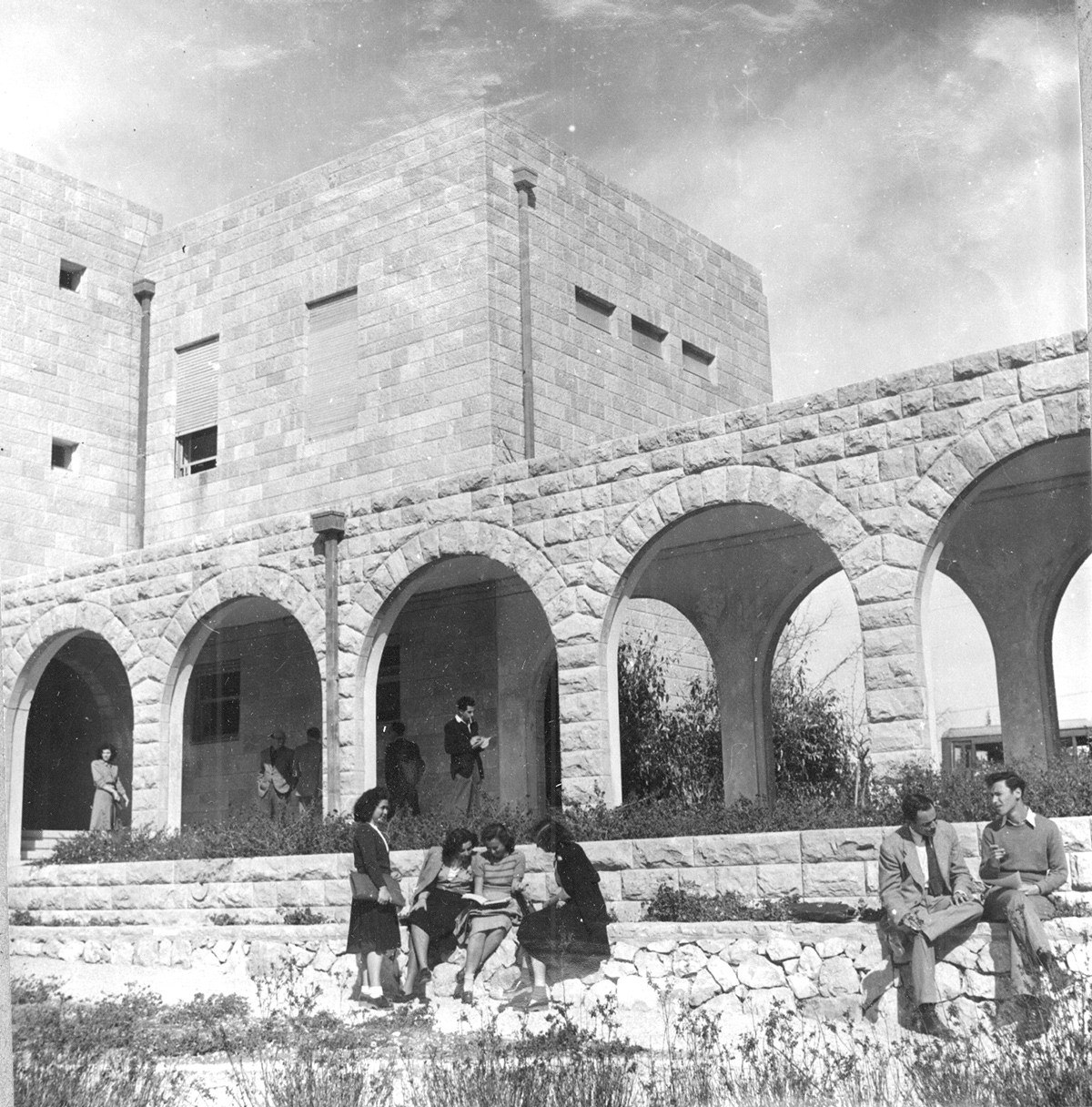
Nation-Building and Cultural Heritage – The Making of the Jewish National Library in Jerusalem, 1892–1948
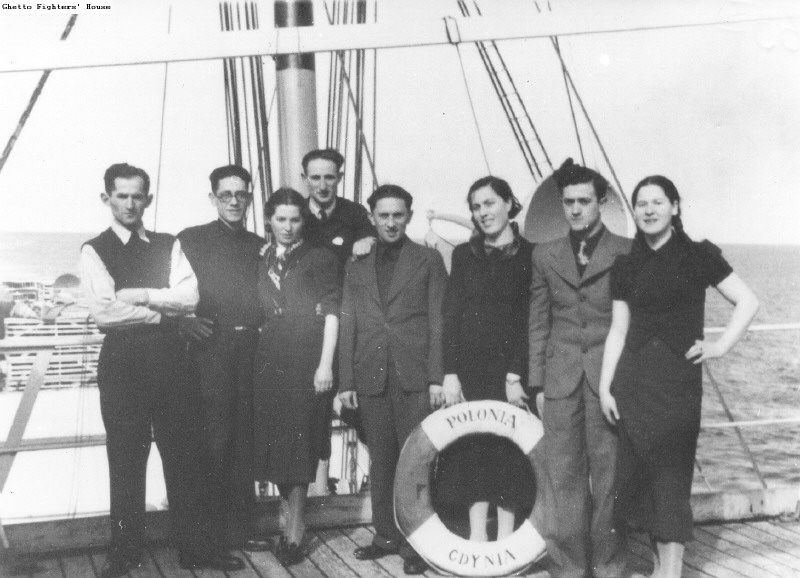
Creating Belonging: Jewish Guidebooks to Eretz Israel in the Polish Print Market (c. 1900–1948)
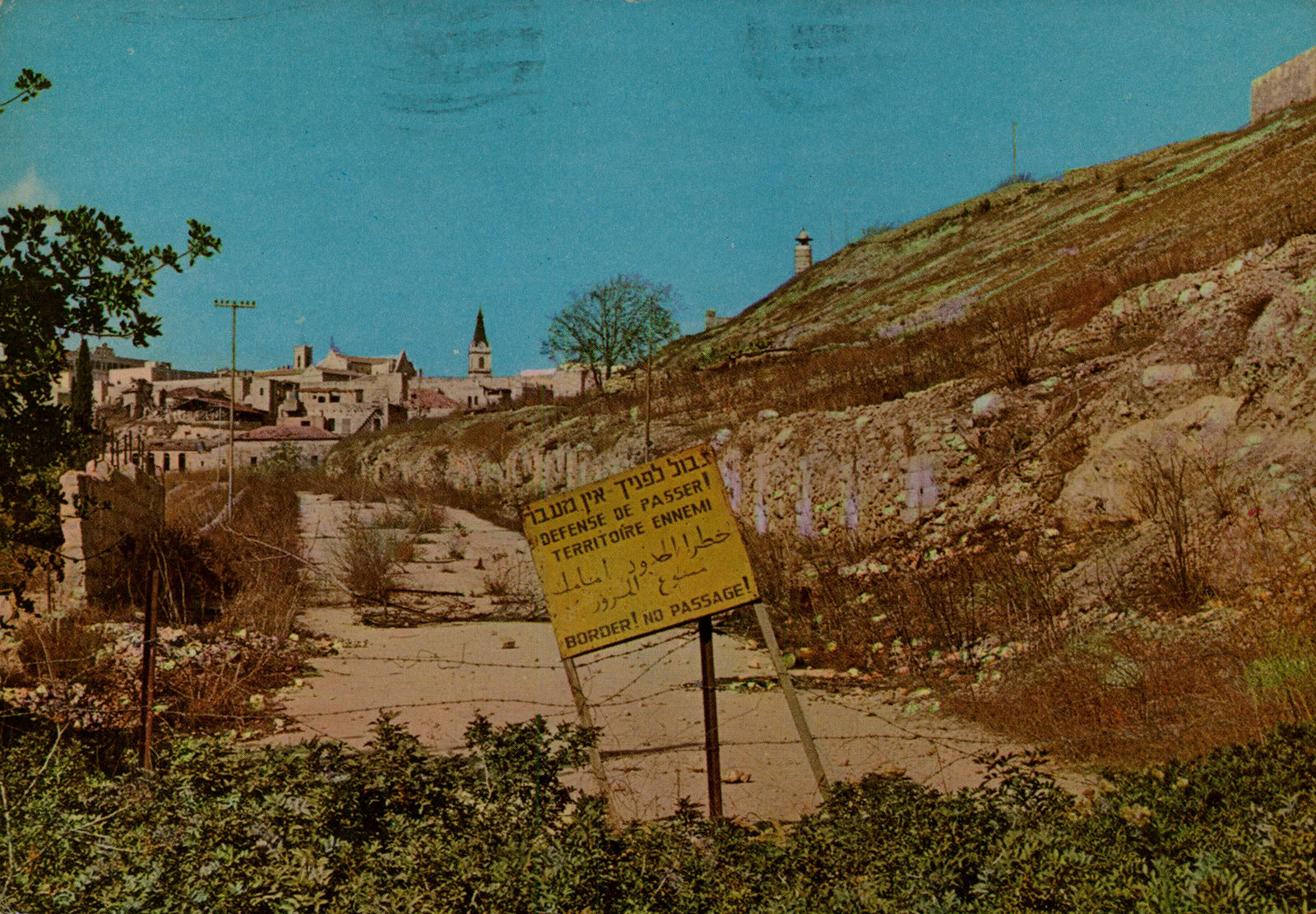
Keeping in Touch: Postcarding Borderscapes in Palestine|Israel – Material Postal Entanglements across Shifting Borders
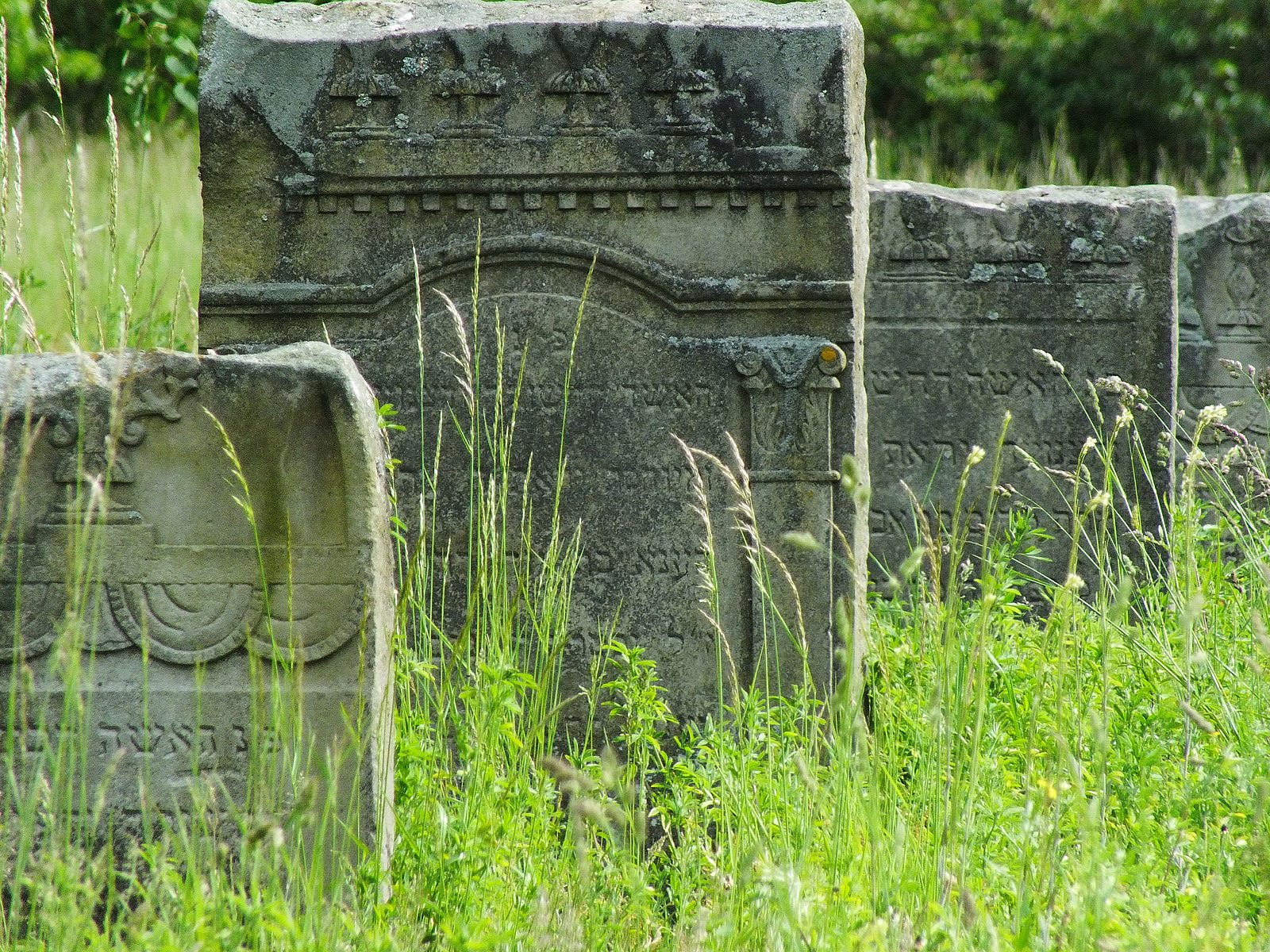
Between Ruins and Revival – Jewish Identity and Material Heritage in Post-Communist Poland
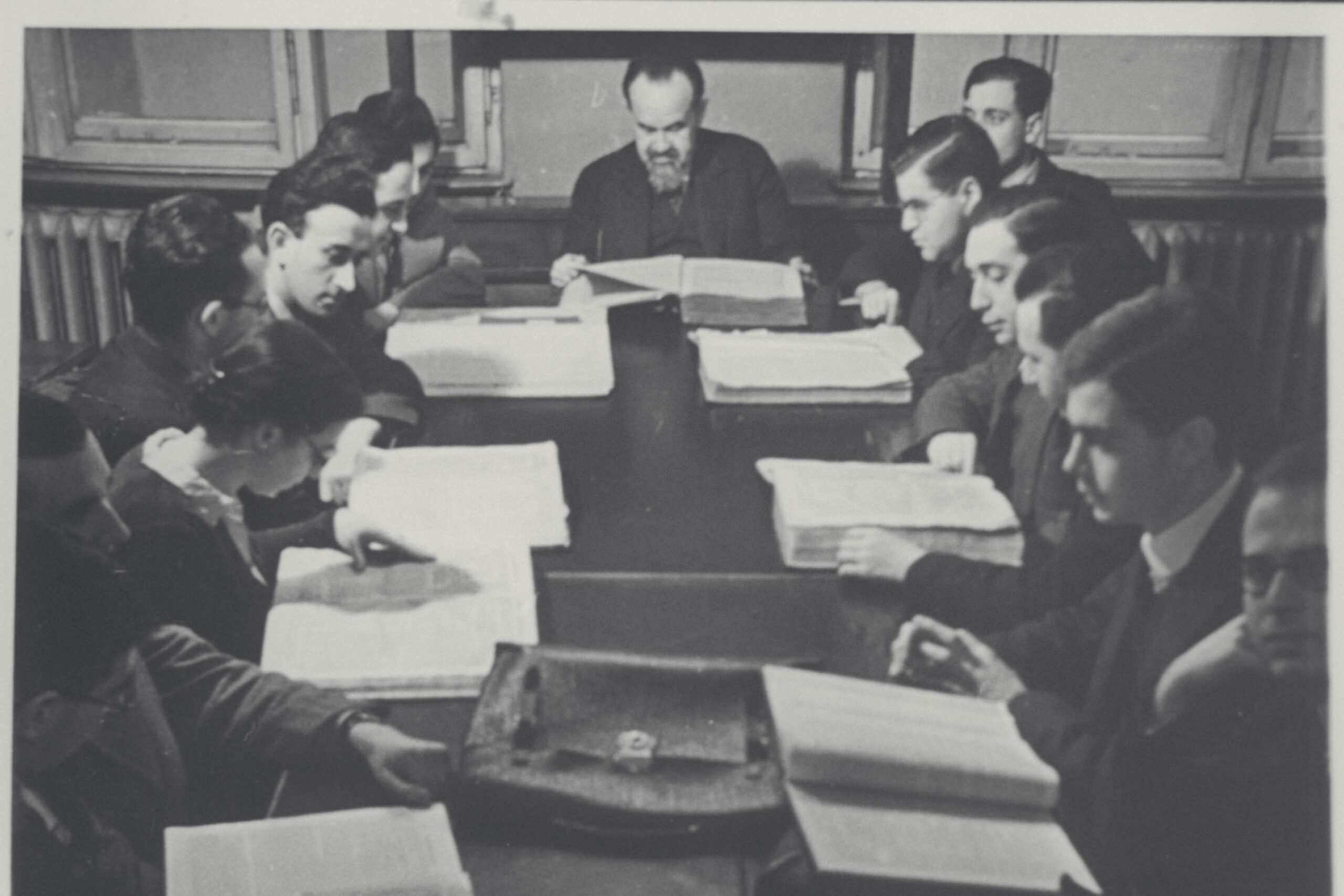
Places of Jewish Knowledge – The Wissenschaft des Judentums and its Material Sites in Berlin’s Urban Landscape, 1871–1961

Traces of belonging(s) – on the materiality of the imprisonment experience of Jewish women in the Ravensbrück women’s concentration camp
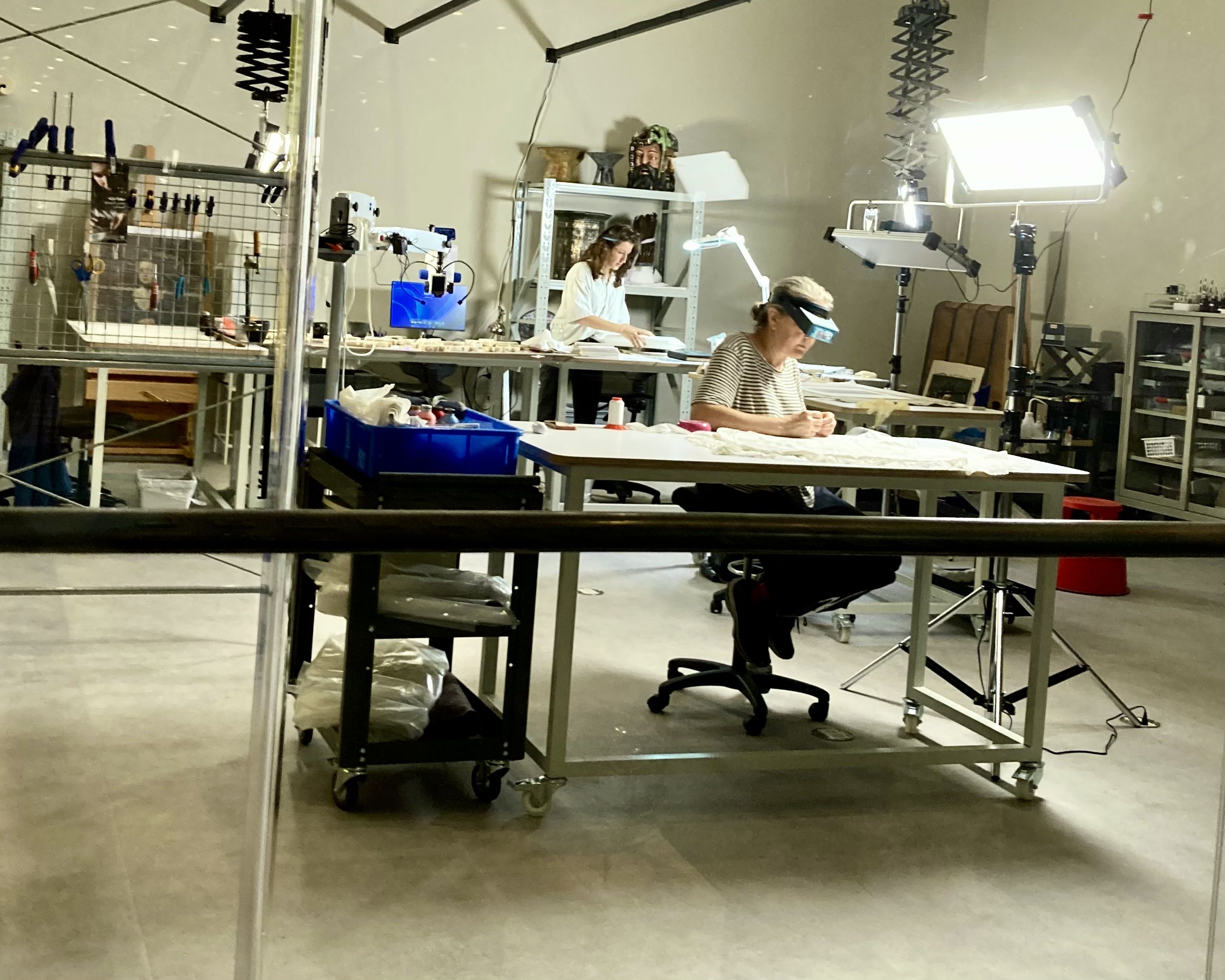
Transmission of the Material Witness: Conservation practice and the testimonial futures of Holocaust objects
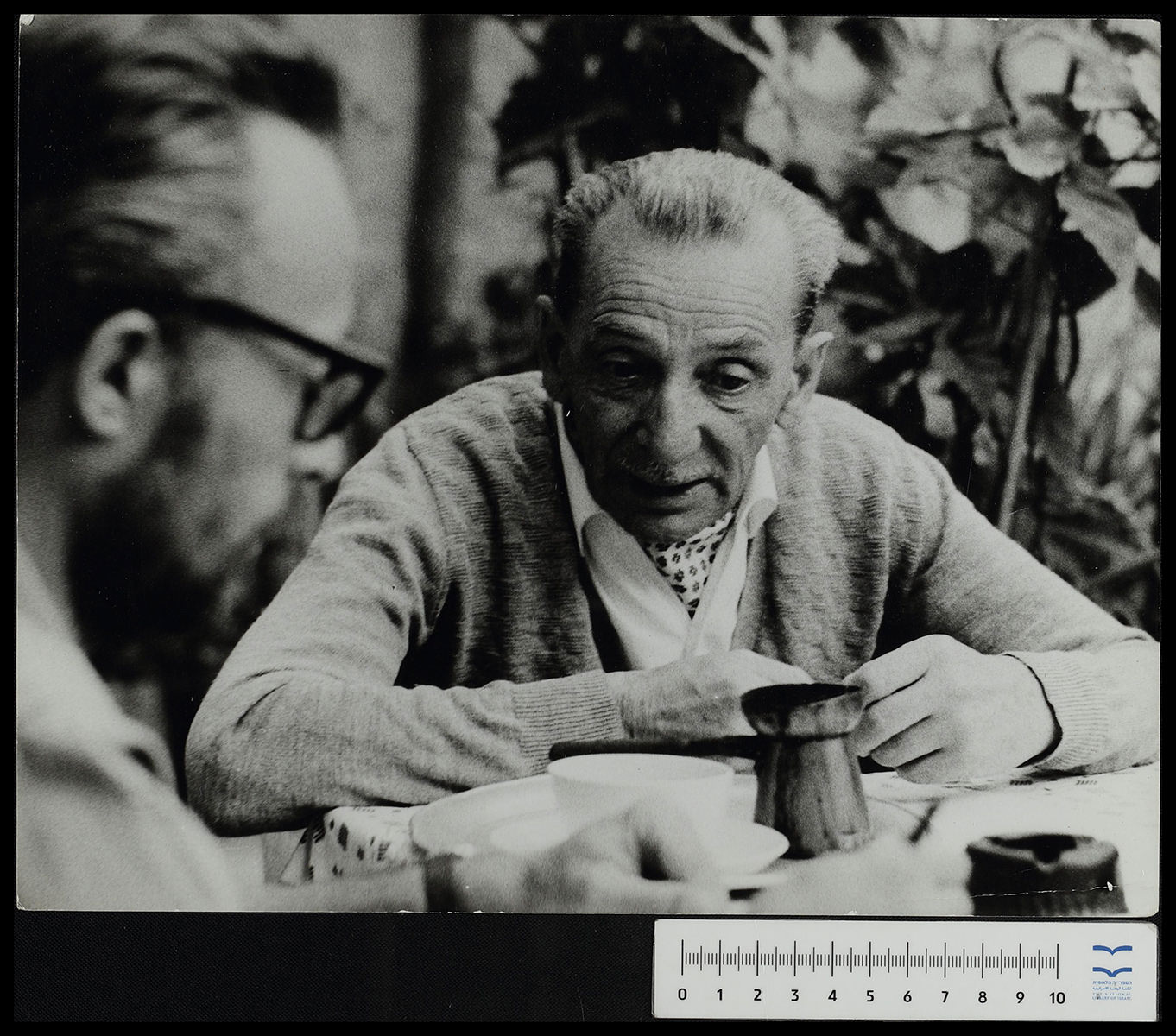
To Change, Question, and Criticize – Concepts of a ‘Werk’ and Concepts of Objects in Illustrated Magazines in Berlin and Vienna during the 1920s.
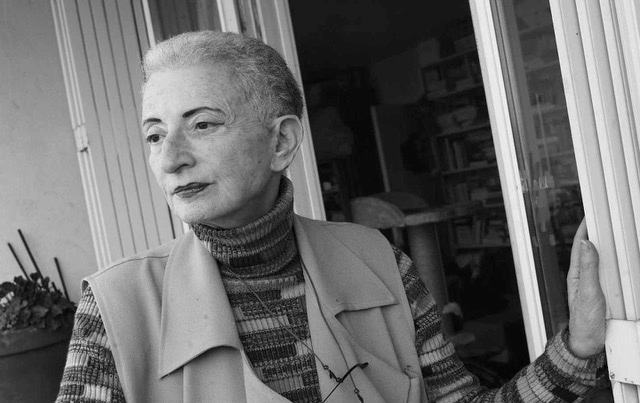
“Mes poumons comme les rouleaux de la Thora” – Towards a Poetics of the Trace: Jewishness, Exile, and Writing in the Work of Hélène Cixous
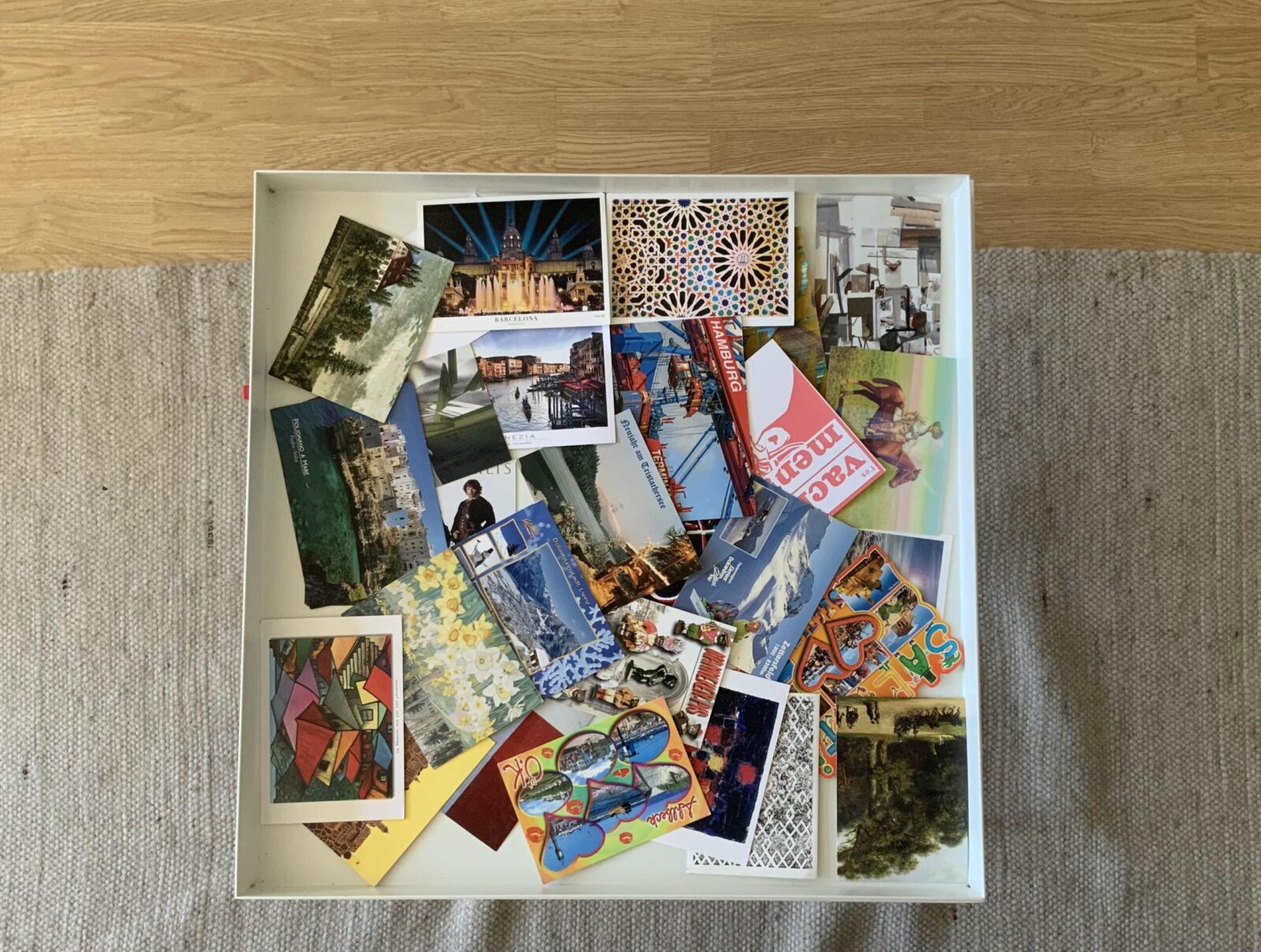
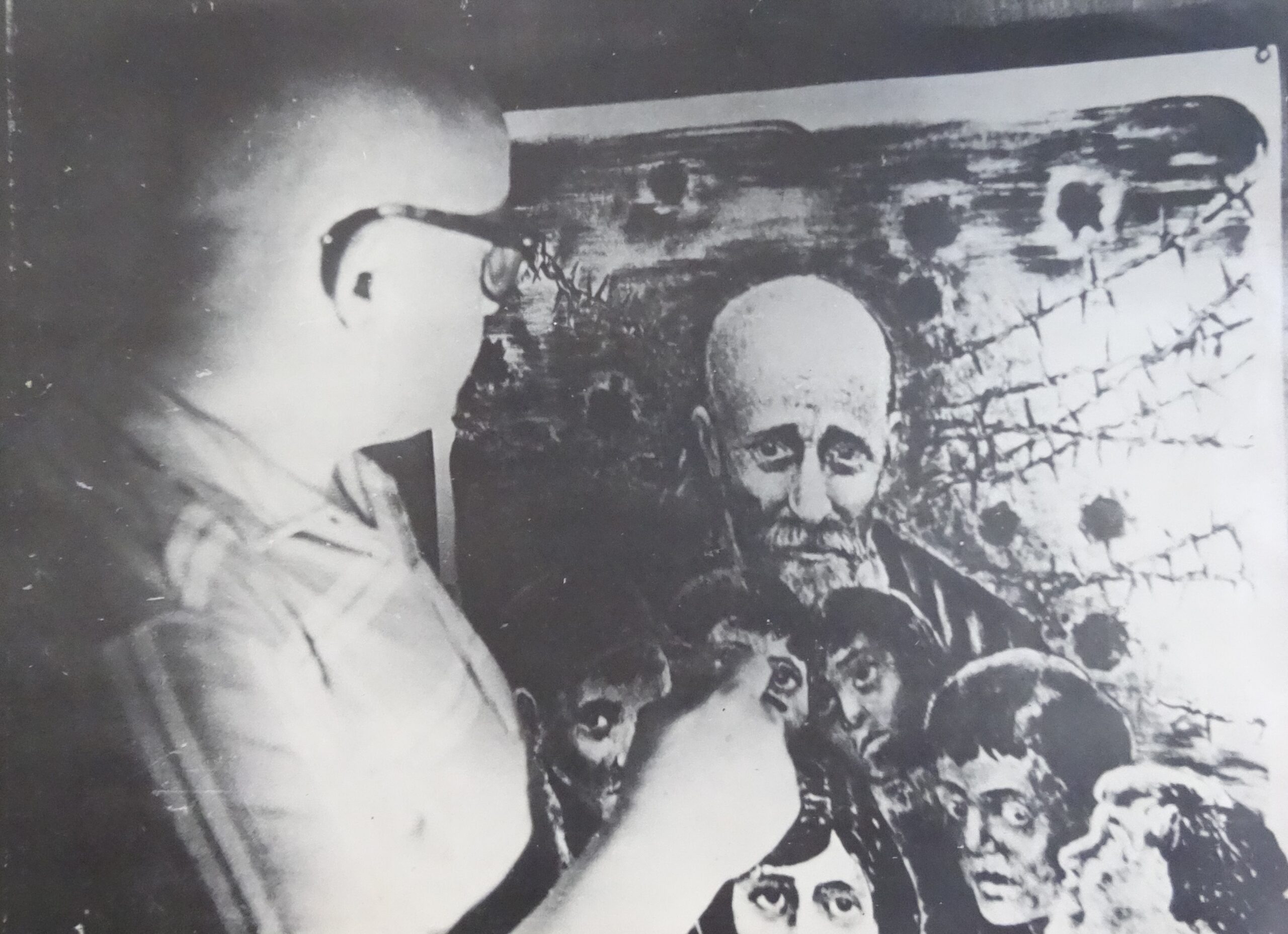
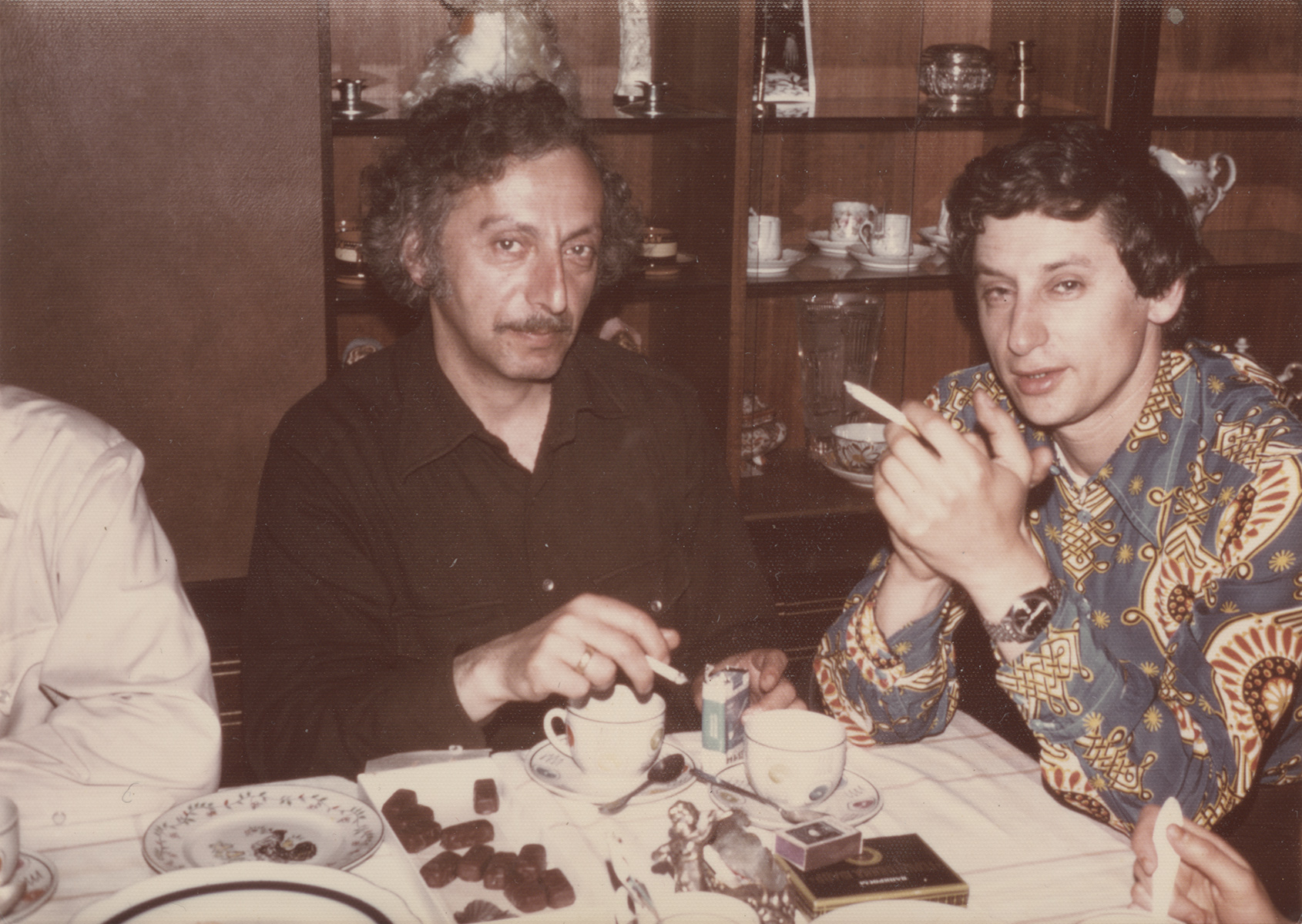
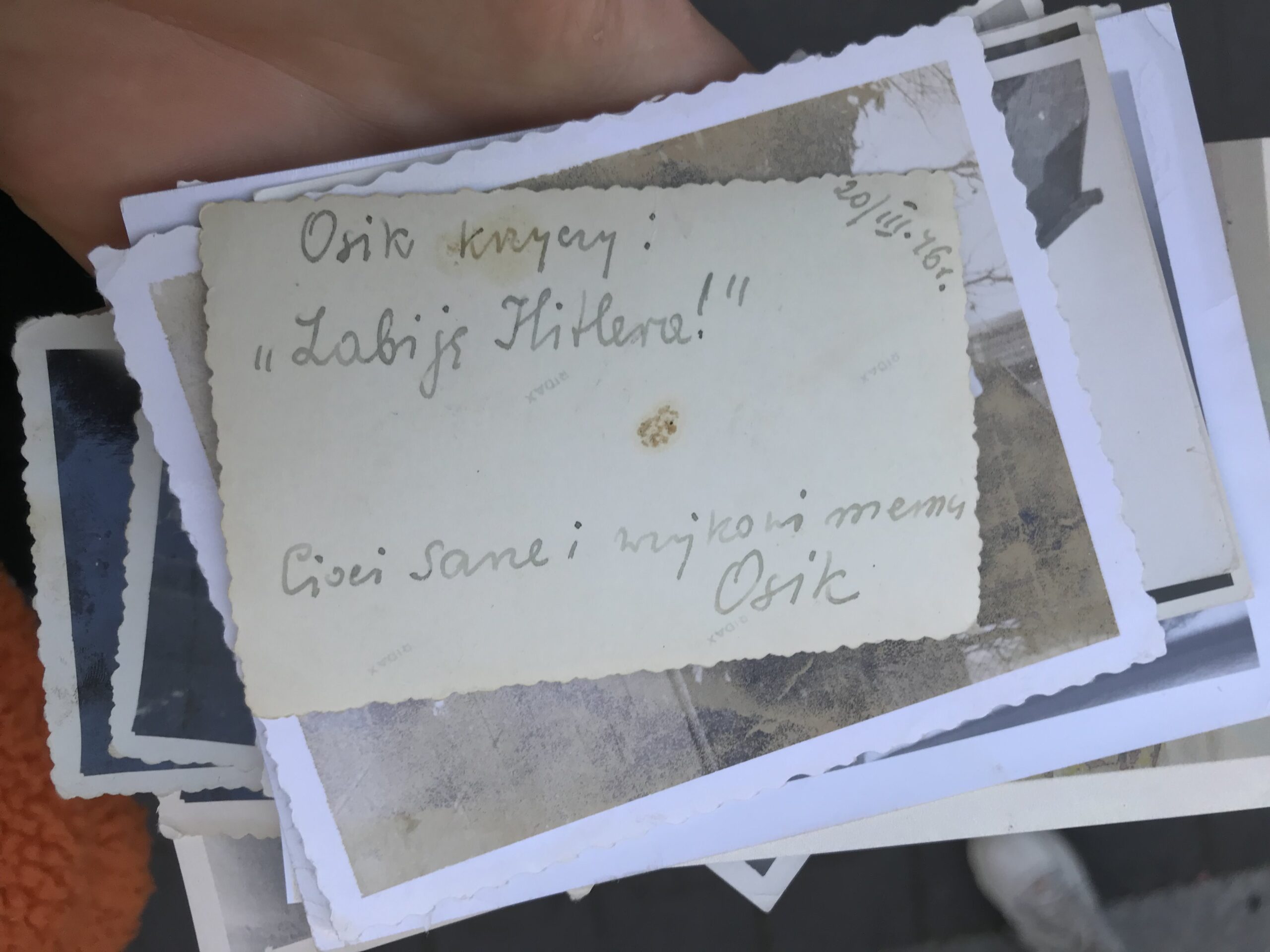
Foto: Laura Schilling
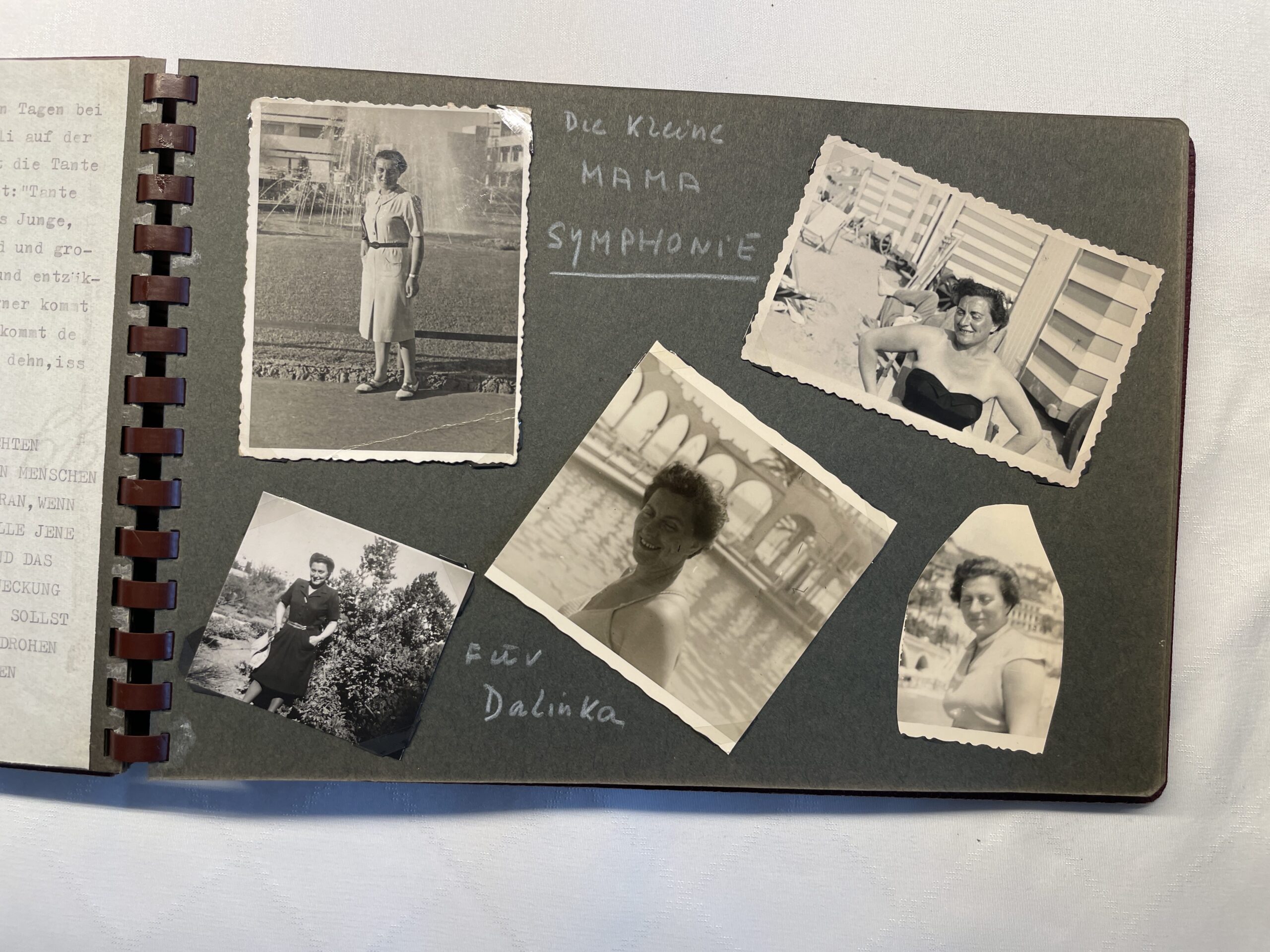
privat
Private Photography and Family Albums of Jews in Germany after 1945
They gather in boxes or albums, face us in frames on the living room shelves, or travel in wallets –photographs of parents, children, grandparents, aunts, nephews, and others. Collections of family constellations unfold in the various ways we assemble and connect to the photographs of those we hold dear. My PhD project therefore investigates private photography and family albums from 1930 to 1970 among Jews in Germany.
Despite their visual dimension, photographs are seldom considered as objects that bear meaning through the spaces they occupy. In the research project I understand photographs as artifacts whose visuality is entangled with their materiality, shaping and determining their meanings as well as their embeddedness in social practices. Photos are shared and looked at in copies and frames, being collected and narrated in albums and boxes. As objects they can provide knowledge about dimensions of “human meaning-making” beyond language (Auslander 2017).
After the Holocaust, photographs often serve as the only material traces of an “irrecoverable past” (Hirsch, 1997) of family members who have been lost. Therefore, they hold a special place within familial memories. How do family photo albums depict continuity and rupture in the histories of families? What knowledge about migration and the social life of transnational family networks derives through visualizations and imagery? Do family snapshots give a different picture of individual and collective modes of belonging after 1945?