
Threads of Identity – The Evolution of Israeli Fashion and the Attempt to Create a National Dress

The Written Silent, the Visible Absence, and the Text in the Written after 1945 – Materiality of Catastrophe, Exile and Belonging in Barbara Honigmann’s Writings
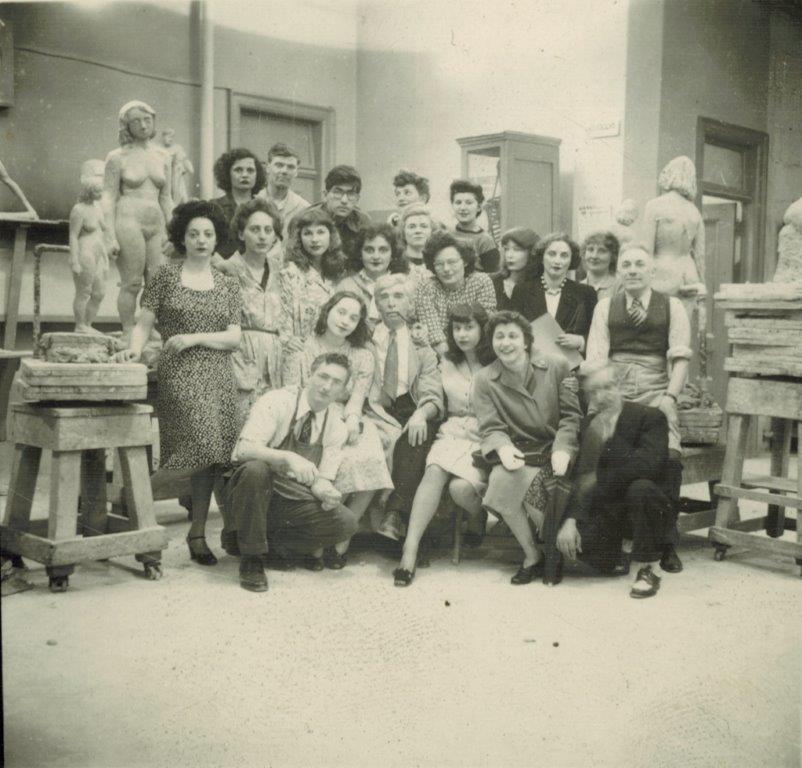
The Origin of Form and the Ephemeral Nature of Belonging(s): Jewish Women Sculptors in Twentieth-Century Vienna
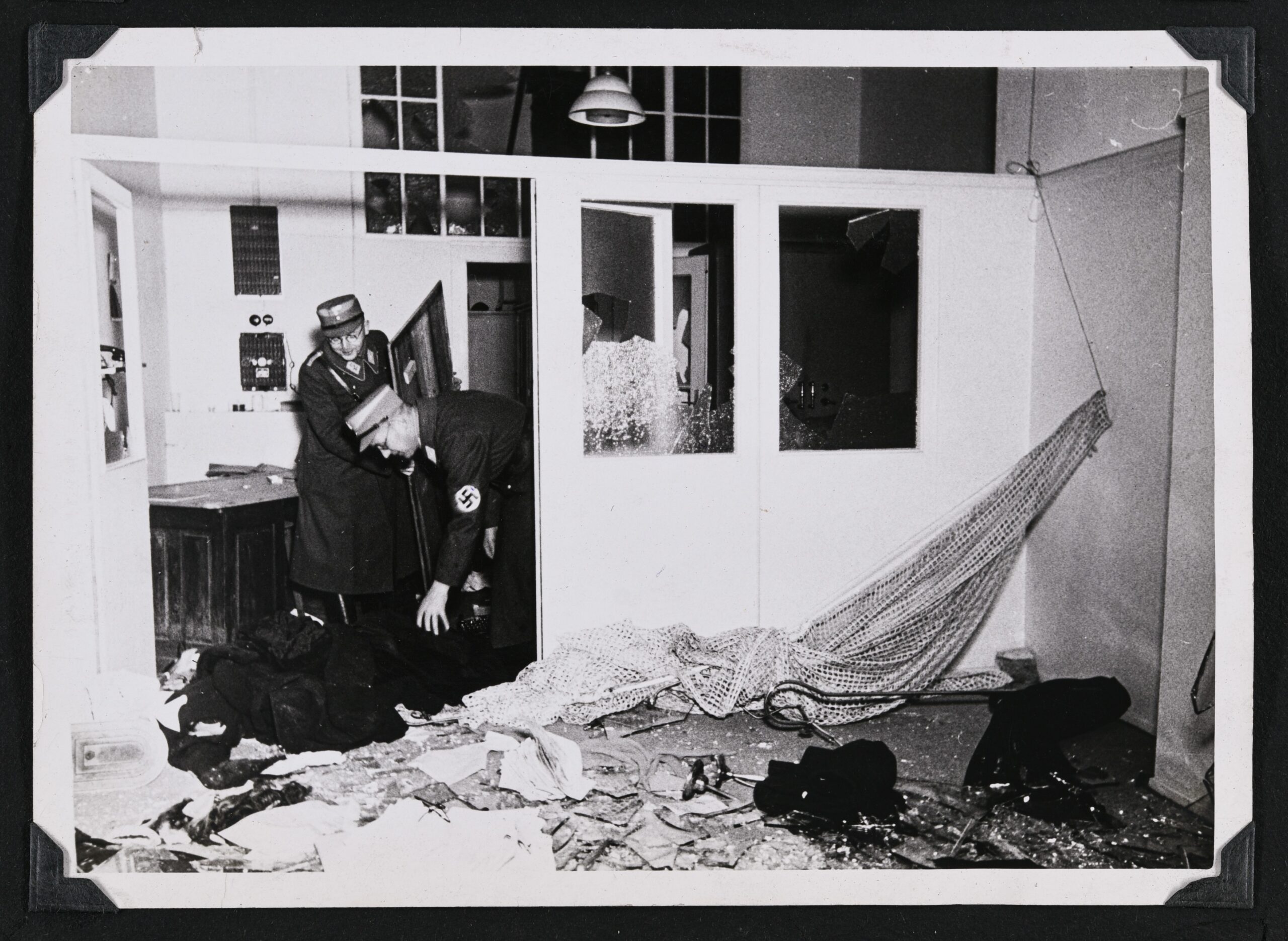
“Home was not Home anymore.” The Destruction of Private Jewish Living Spaces in the November Pogroms of 1938
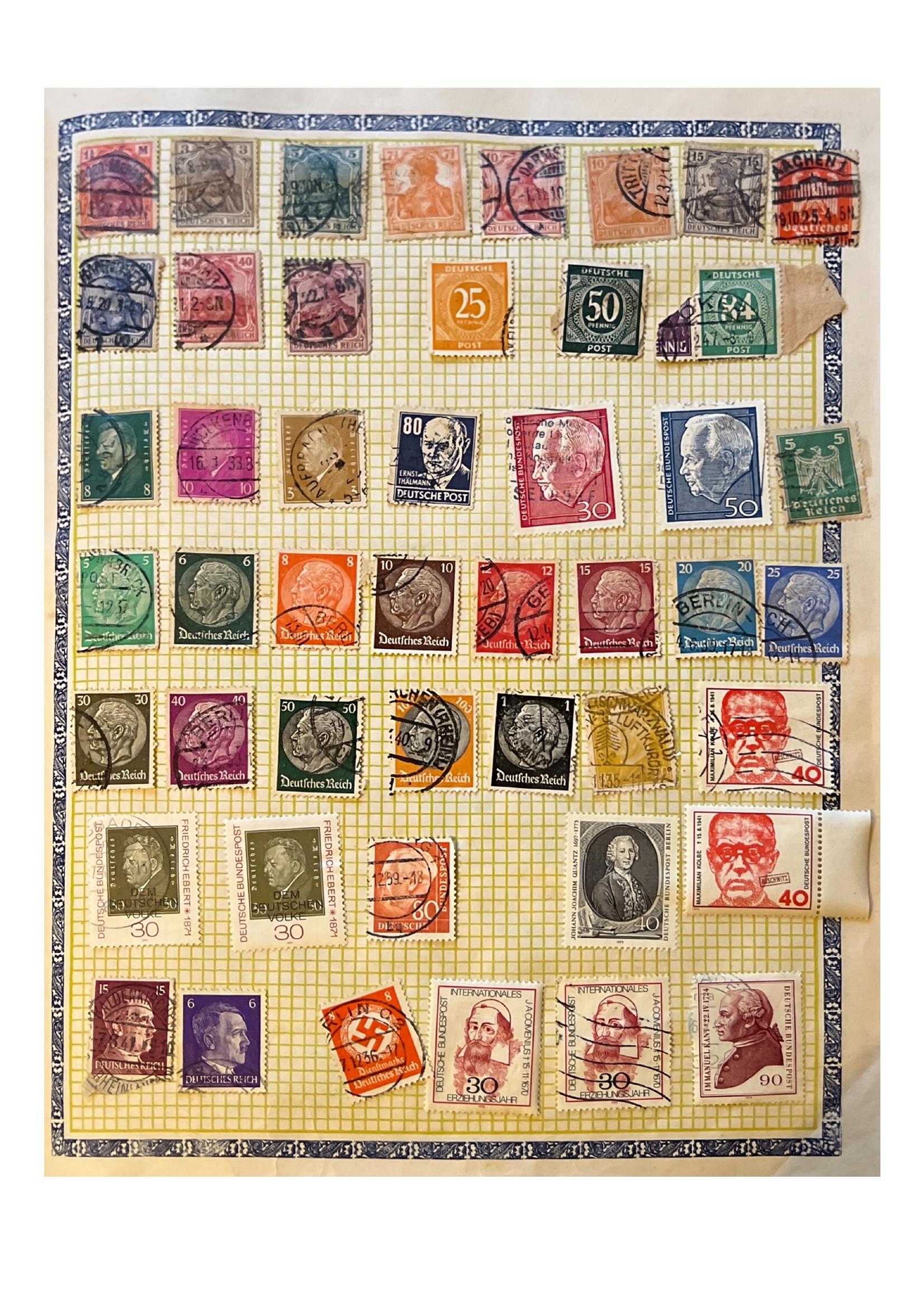
Corresponding with history – Jewish Postage Stamp Collectors and Jewish Emancipation
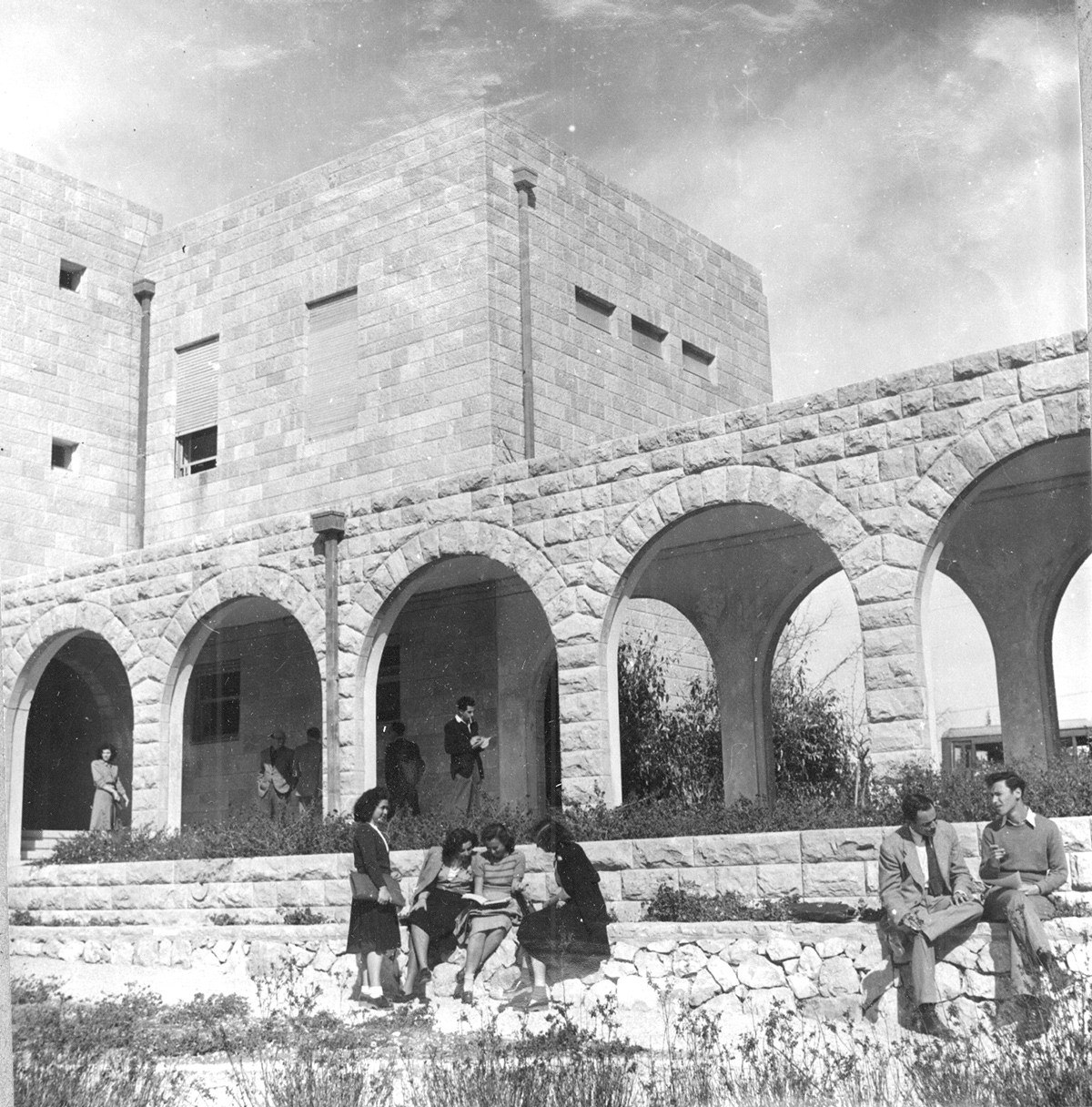
Nation-Building and Cultural Heritage – The Making of the Jewish National Library in Jerusalem, 1892–1948
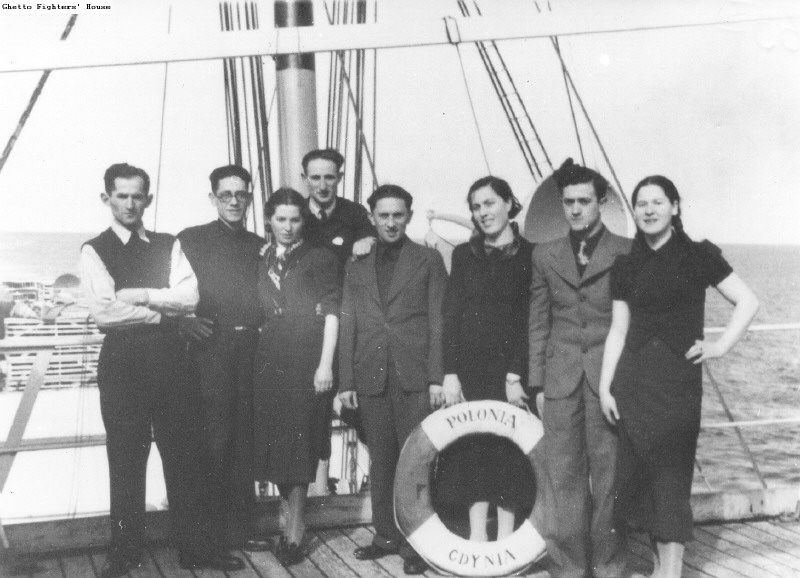
Creating Belonging: Jewish Guidebooks to Eretz Israel in the Polish Print Market (c. 1900–1948)
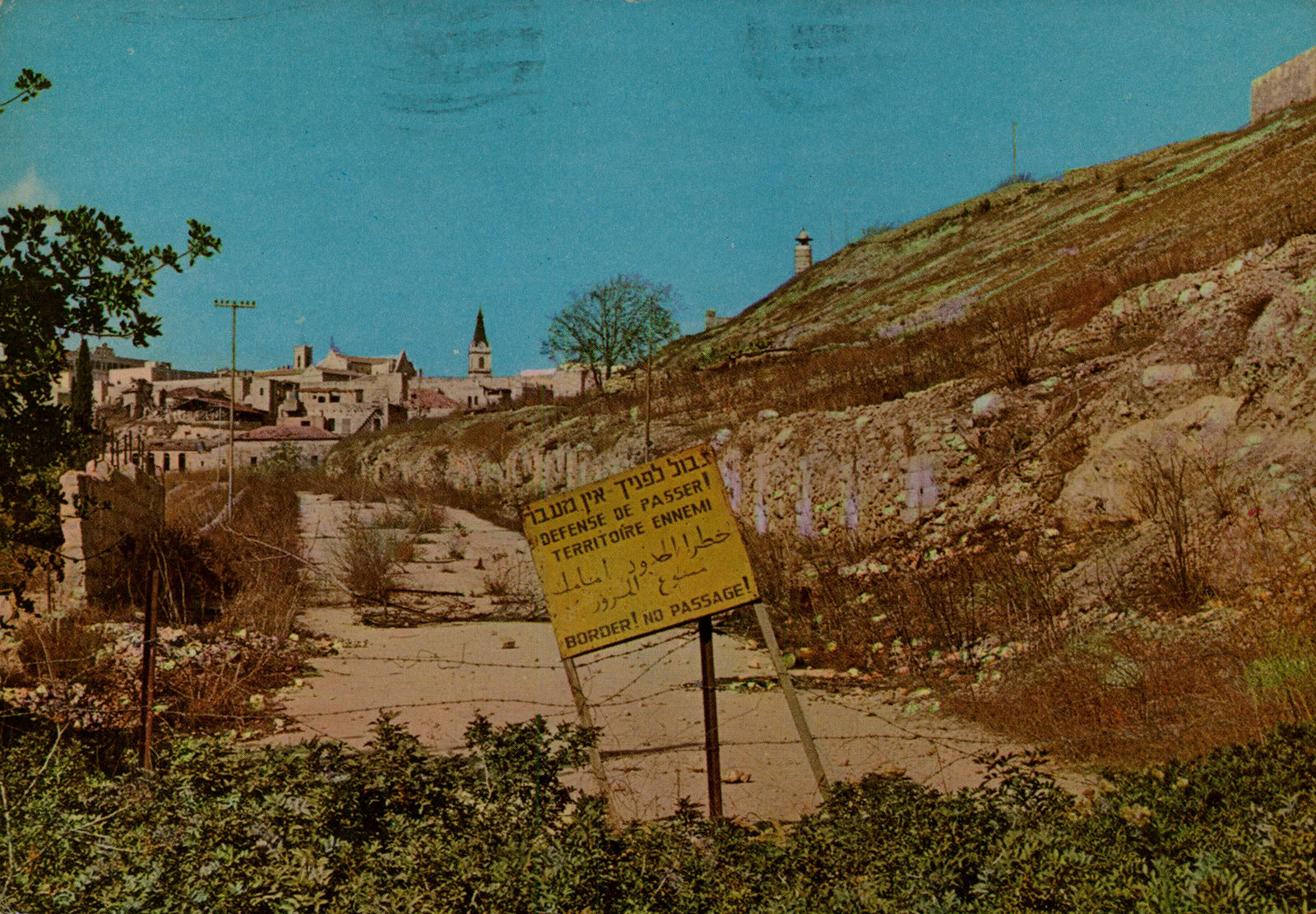
Keeping in Touch: Postcarding Borderscapes in Palestine|Israel – Material Postal Entanglements across Shifting Borders
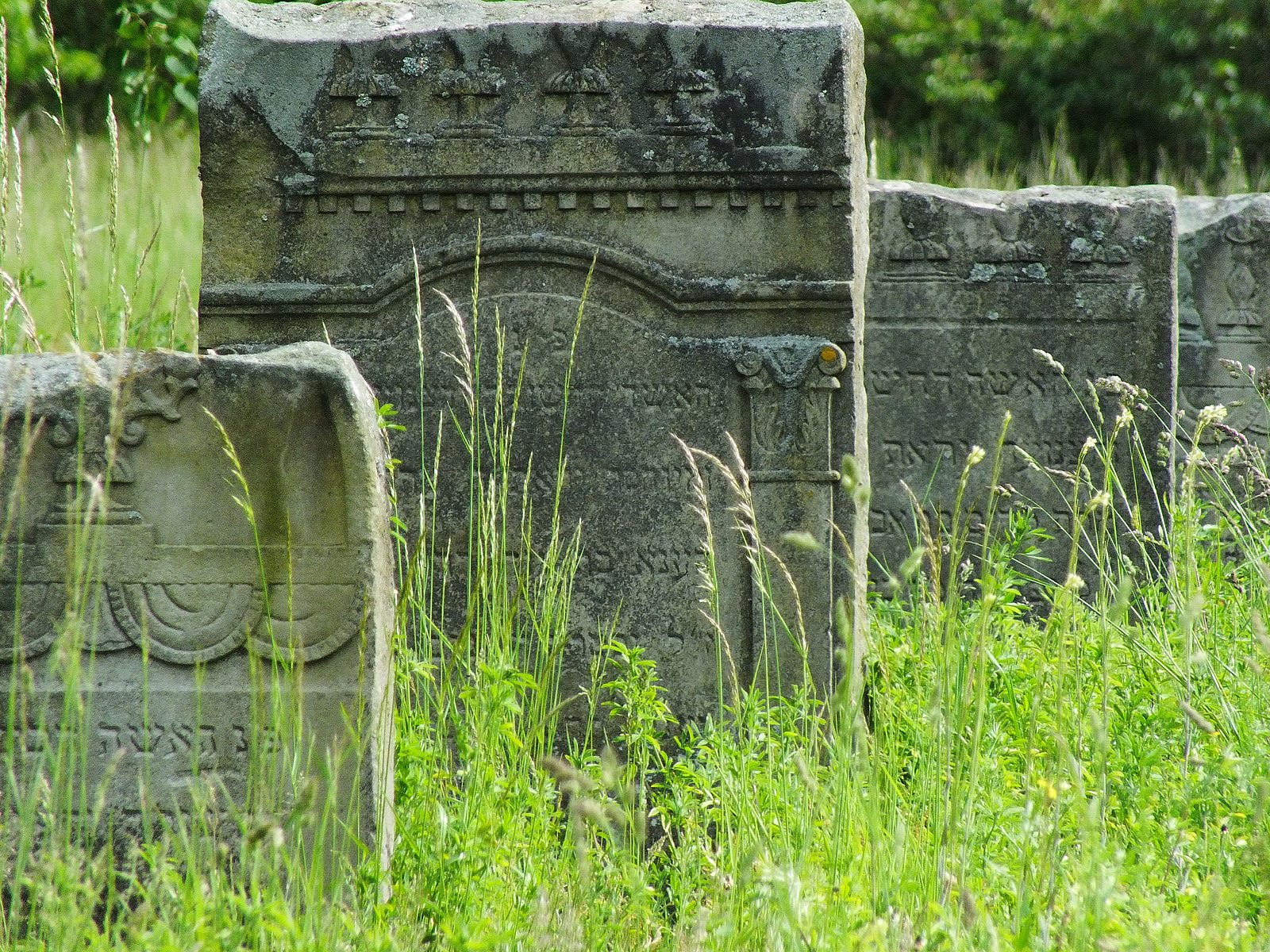
Between Ruins and Revival – Jewish Identity and Material Heritage in Post-Communist Poland
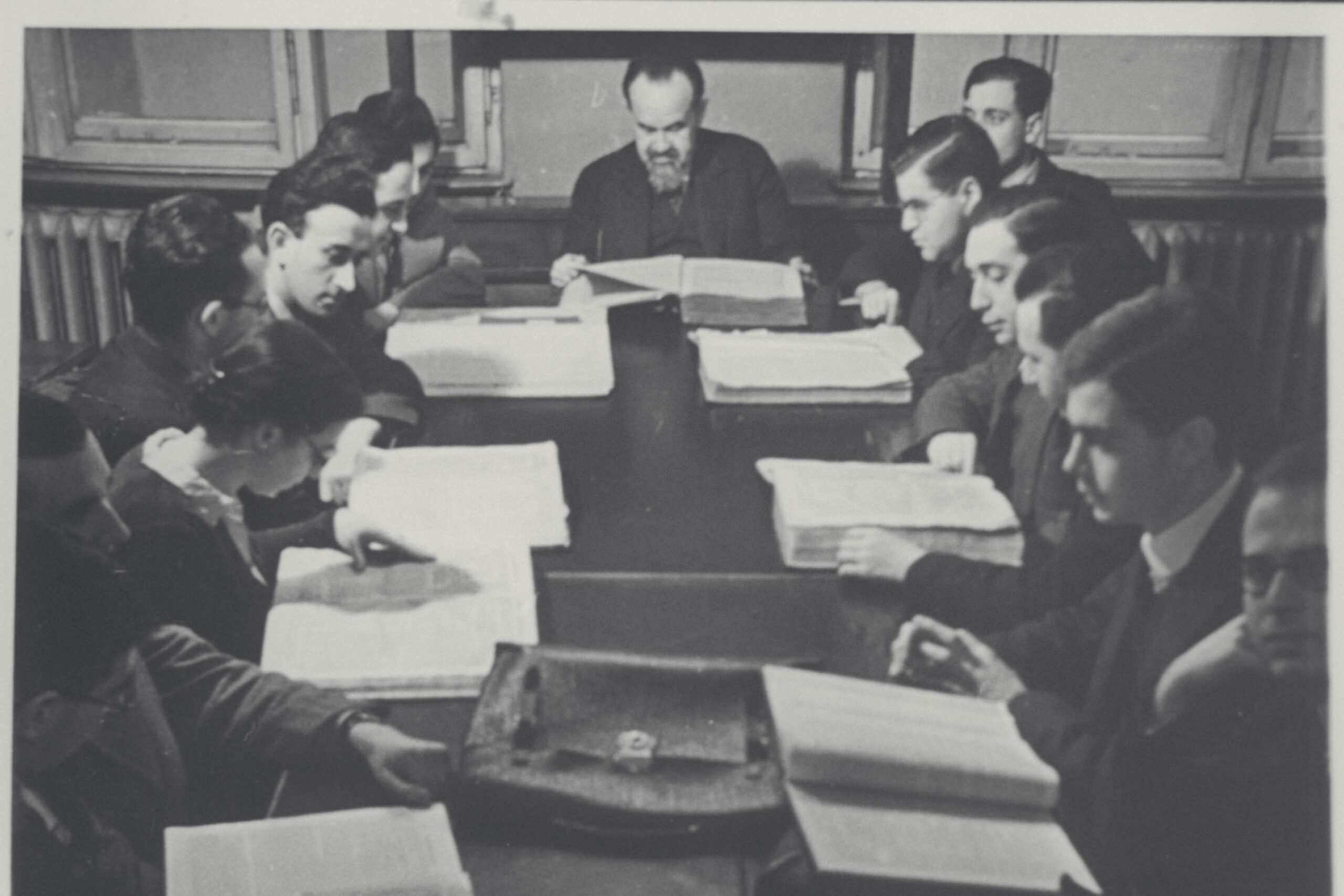
Places of Jewish Knowledge – The Wissenschaft des Judentums and its Material Sites in Berlin’s Urban Landscape, 1871–1961

Traces of belonging(s) – on the materiality of the imprisonment experience of Jewish women in the Ravensbrück women’s concentration camp
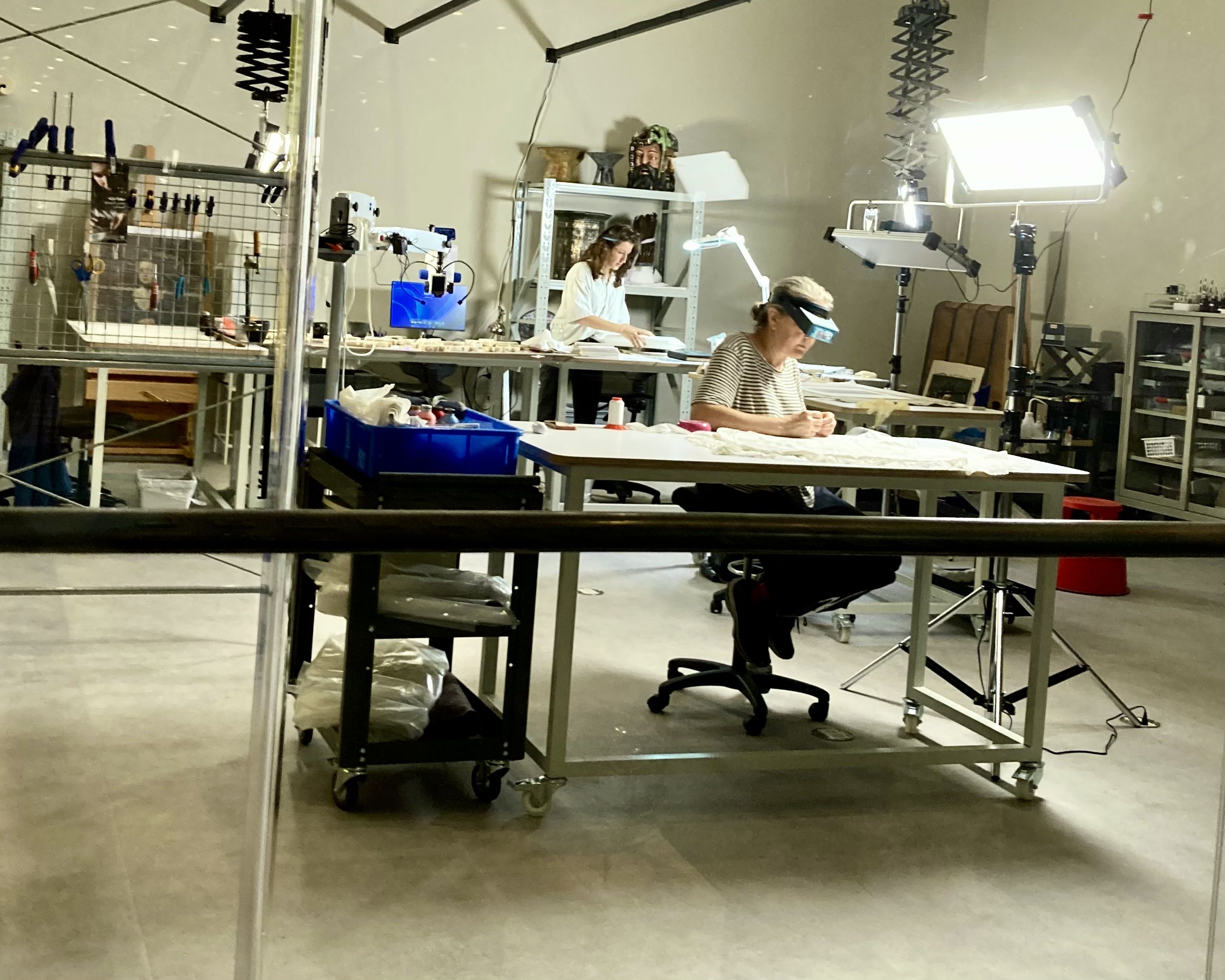
Transmission of the Material Witness: Conservation practice and the testimonial futures of Holocaust objects
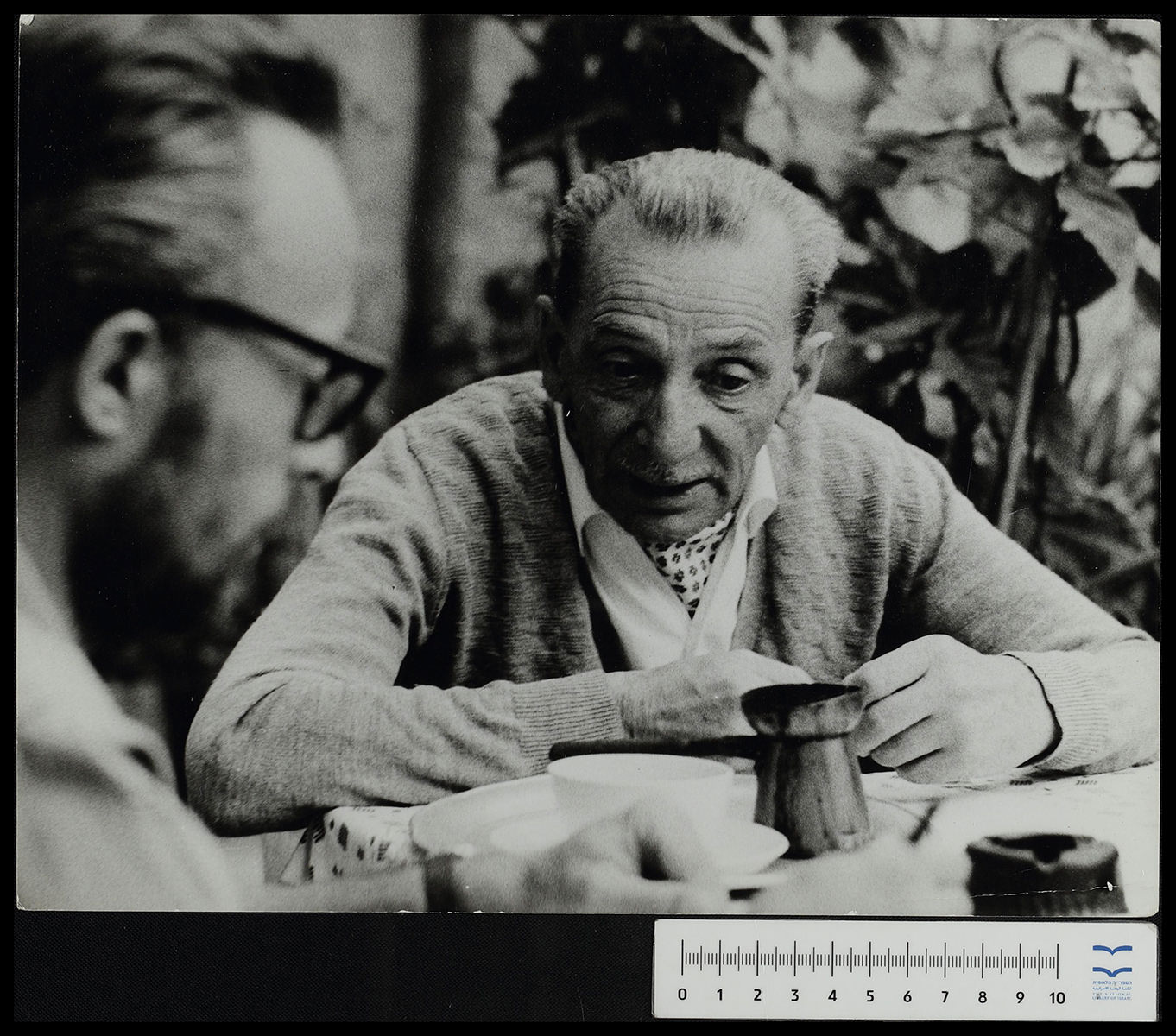
To Change, Question, and Criticize – Concepts of a ‘Werk’ and Concepts of Objects in Illustrated Magazines in Berlin and Vienna during the 1920s.
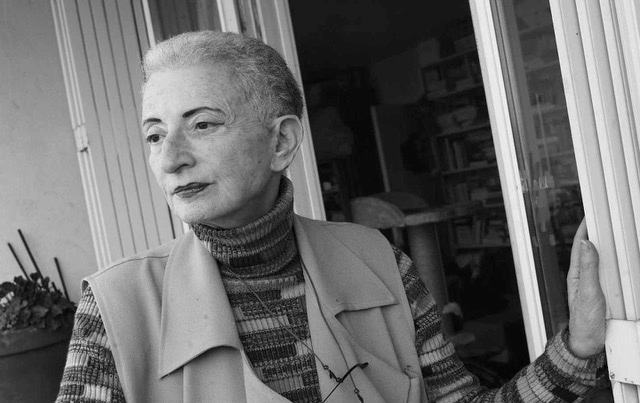
“Mes poumons comme les rouleaux de la Thora” – Towards a Poetics of the Trace: Jewishness, Exile, and Writing in the Work of Hélène Cixous
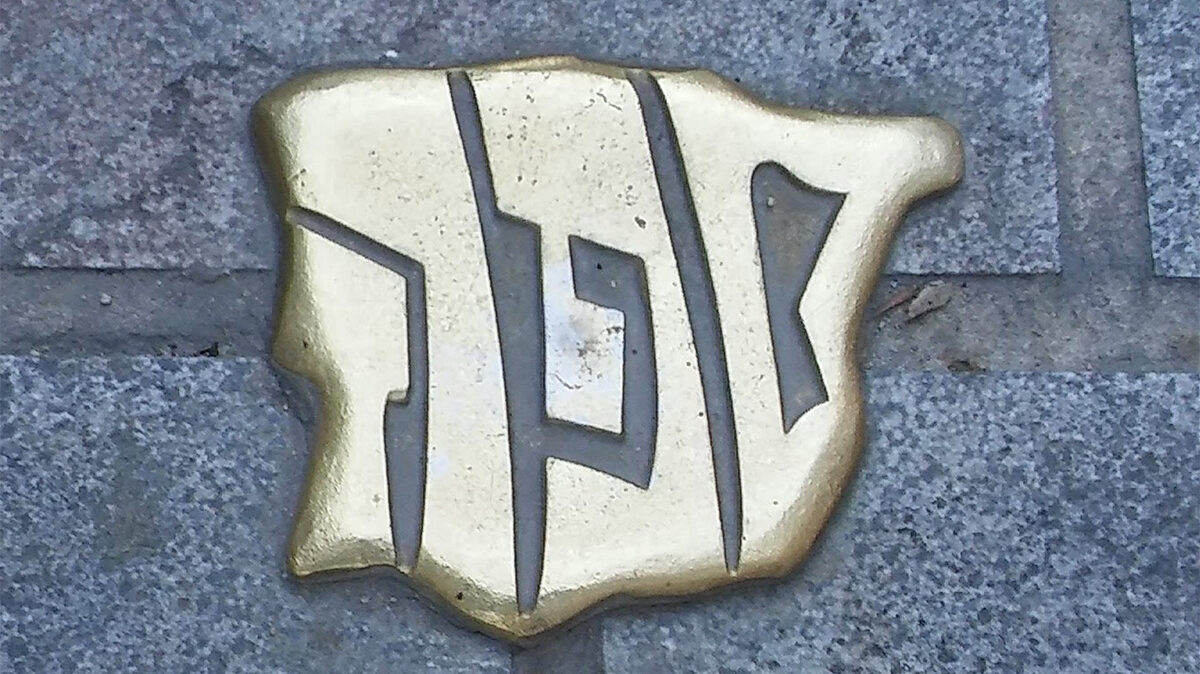
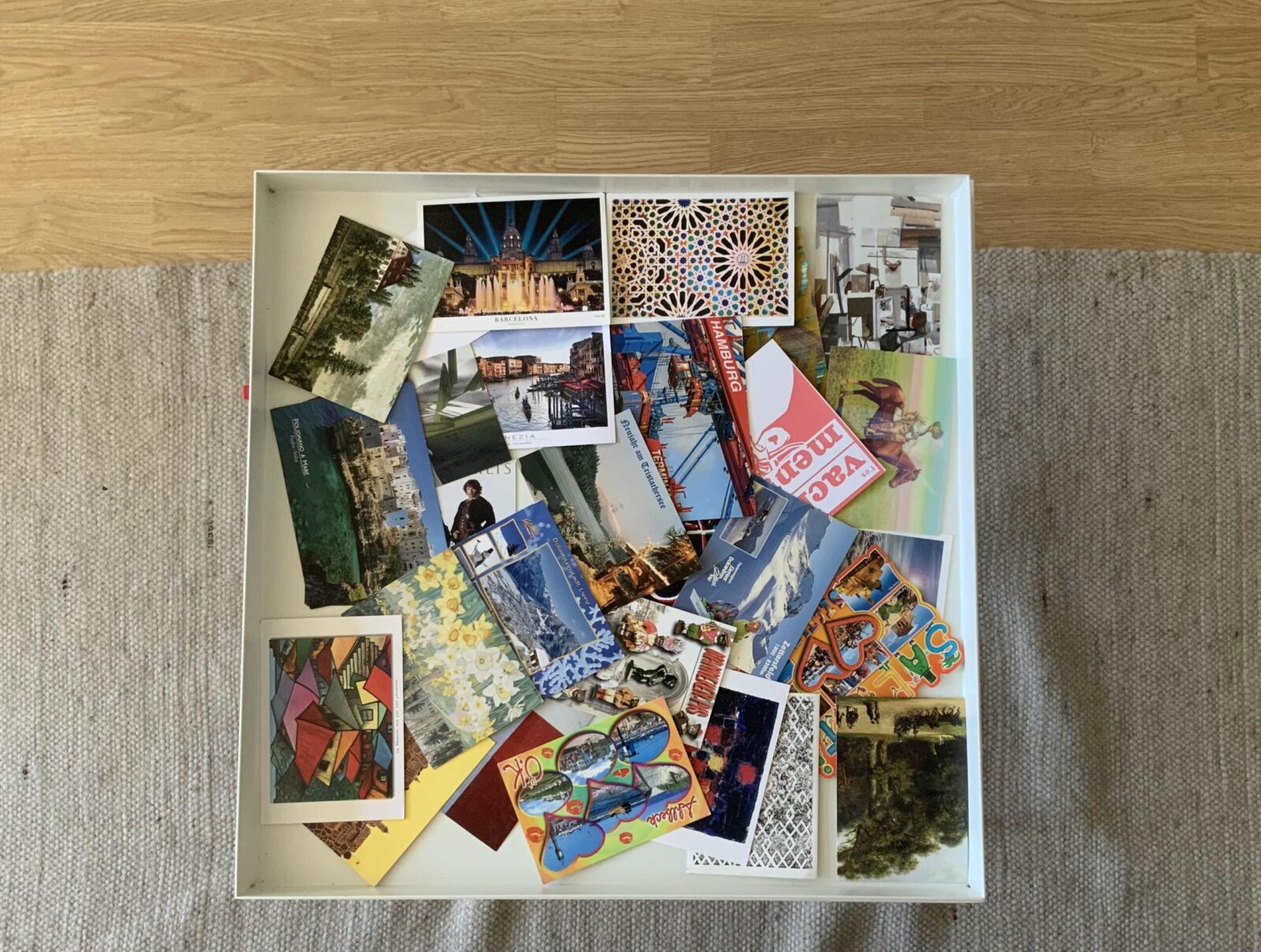
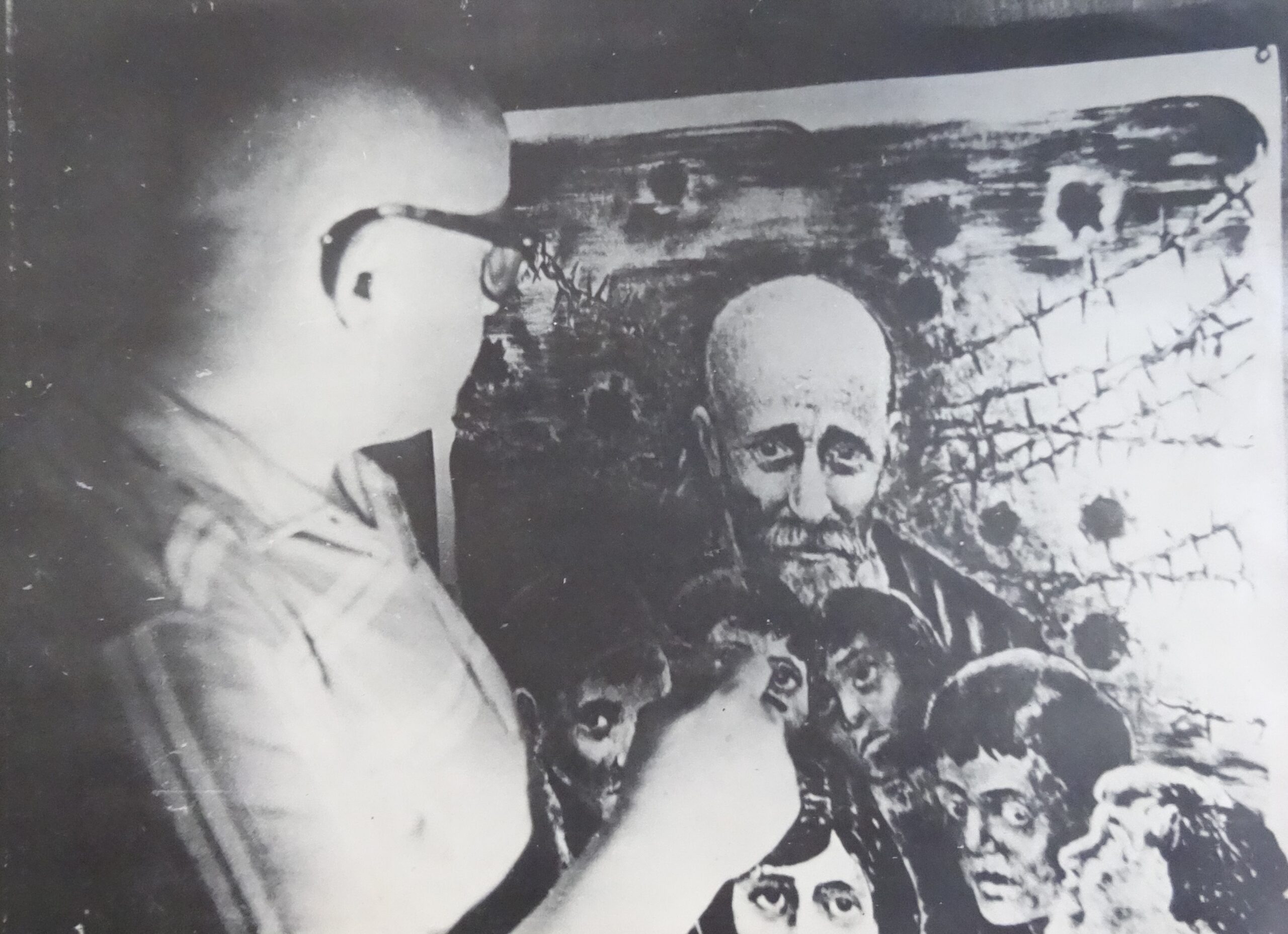
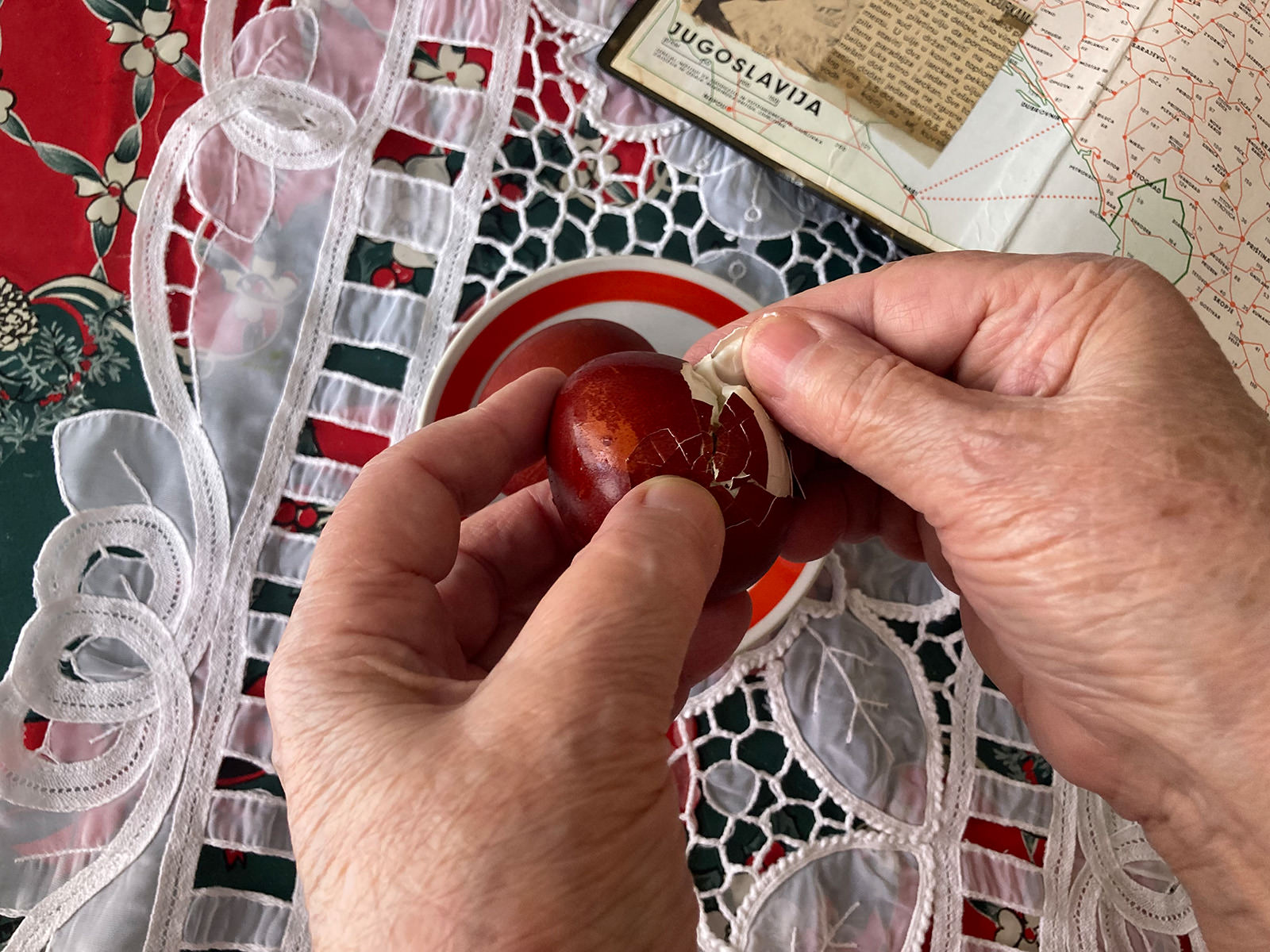
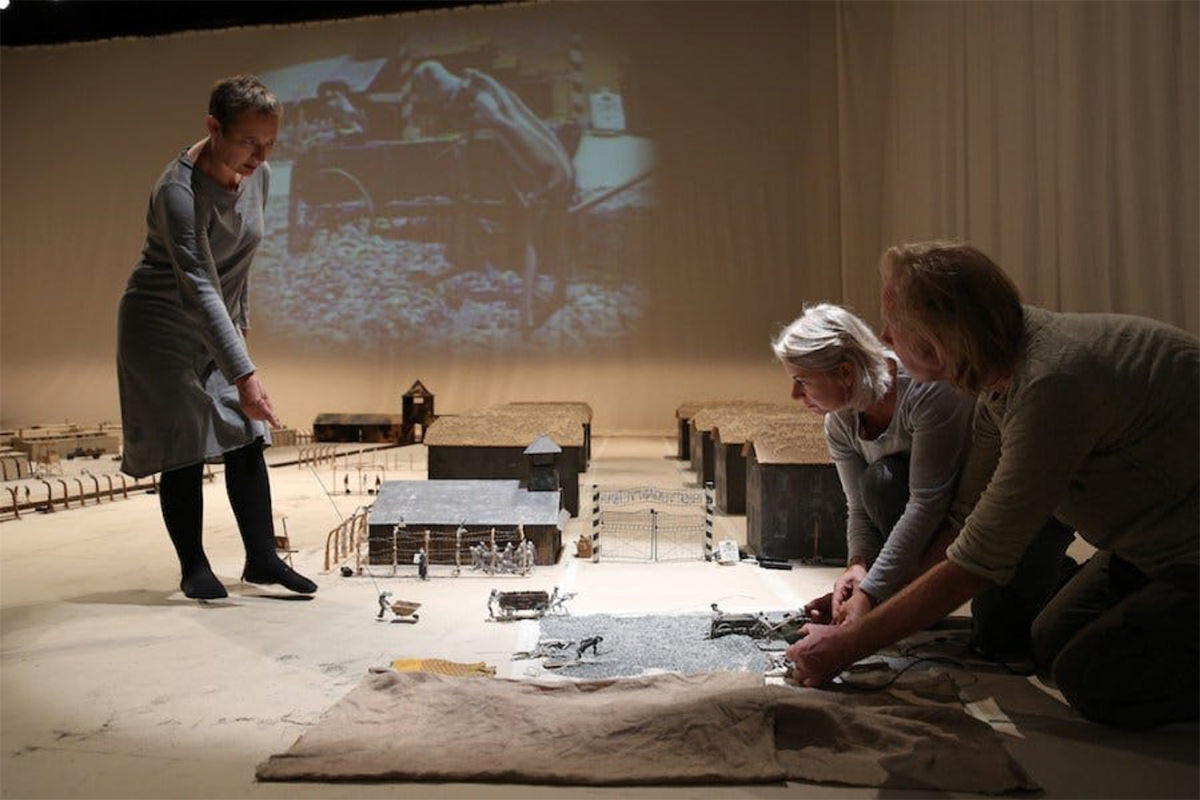
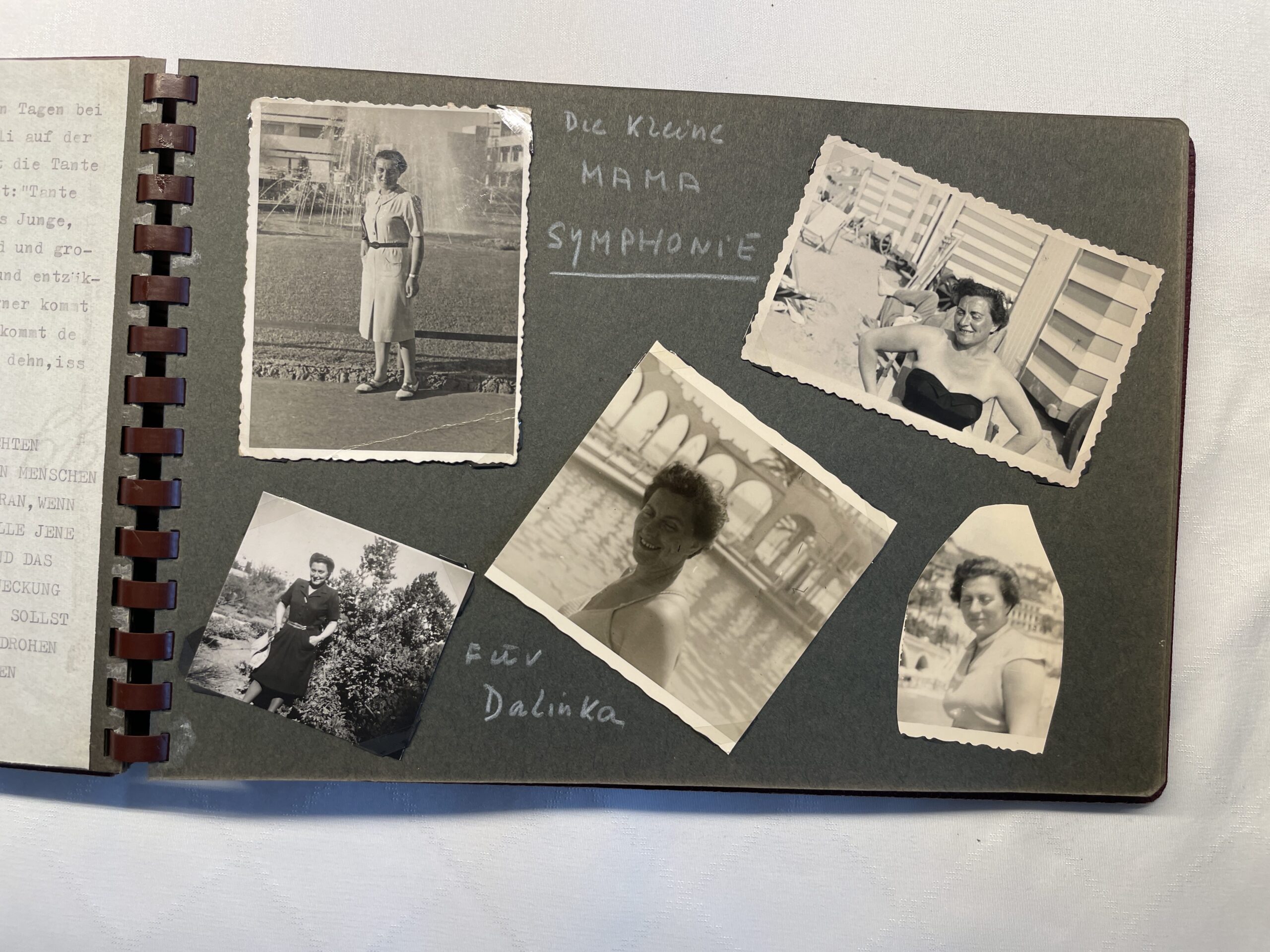
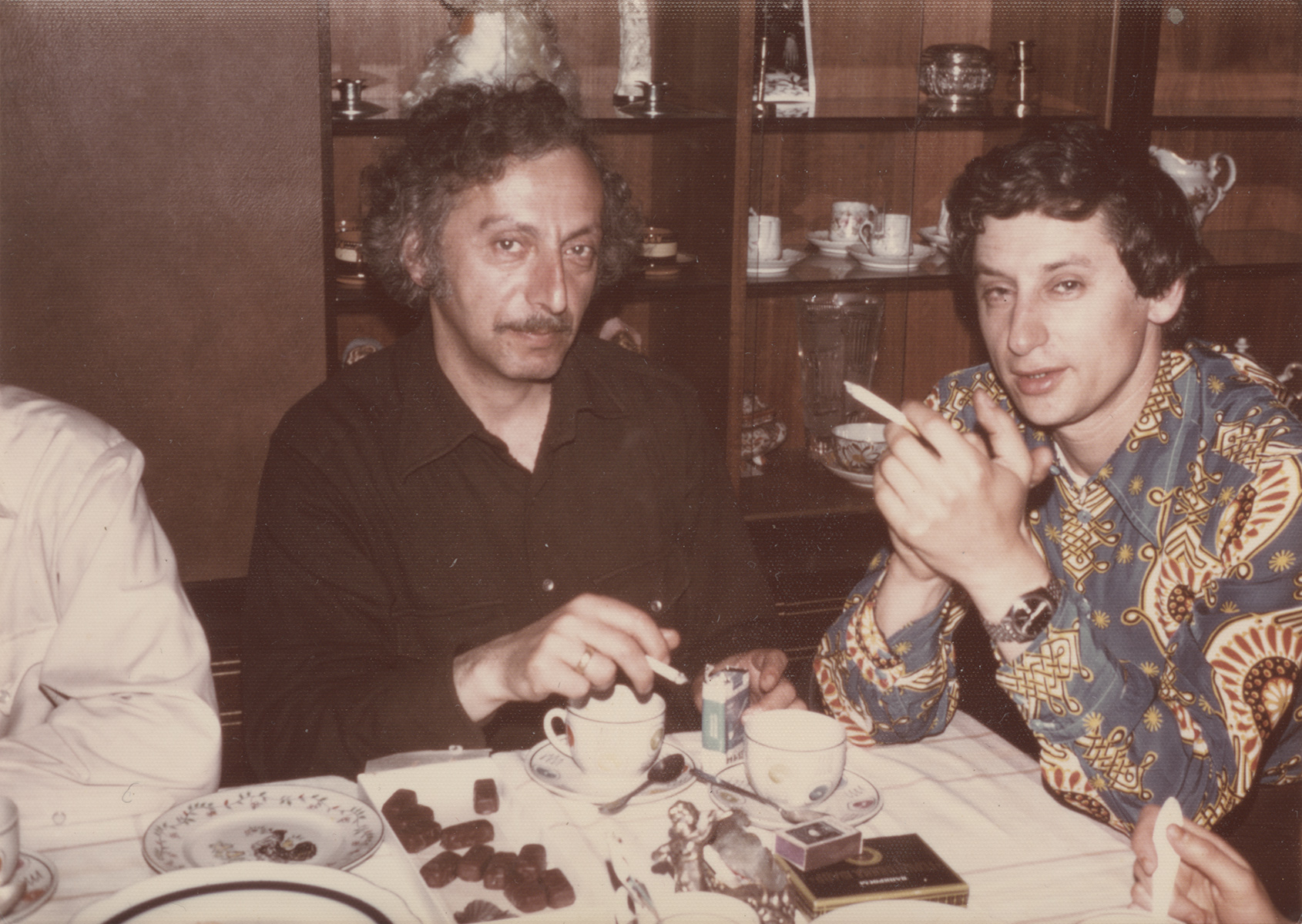
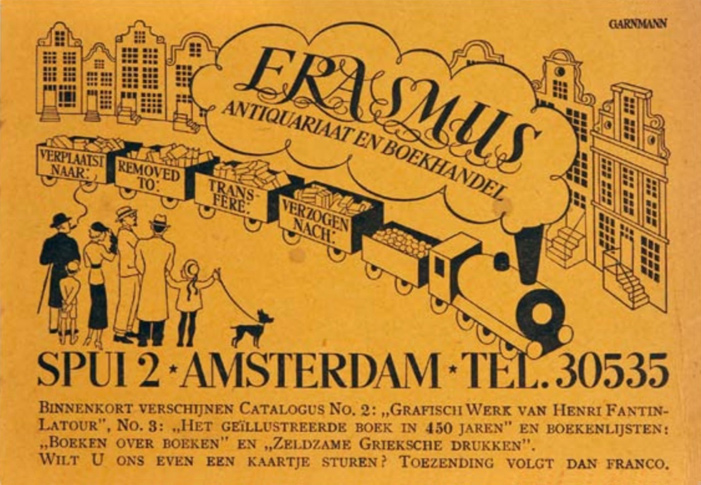
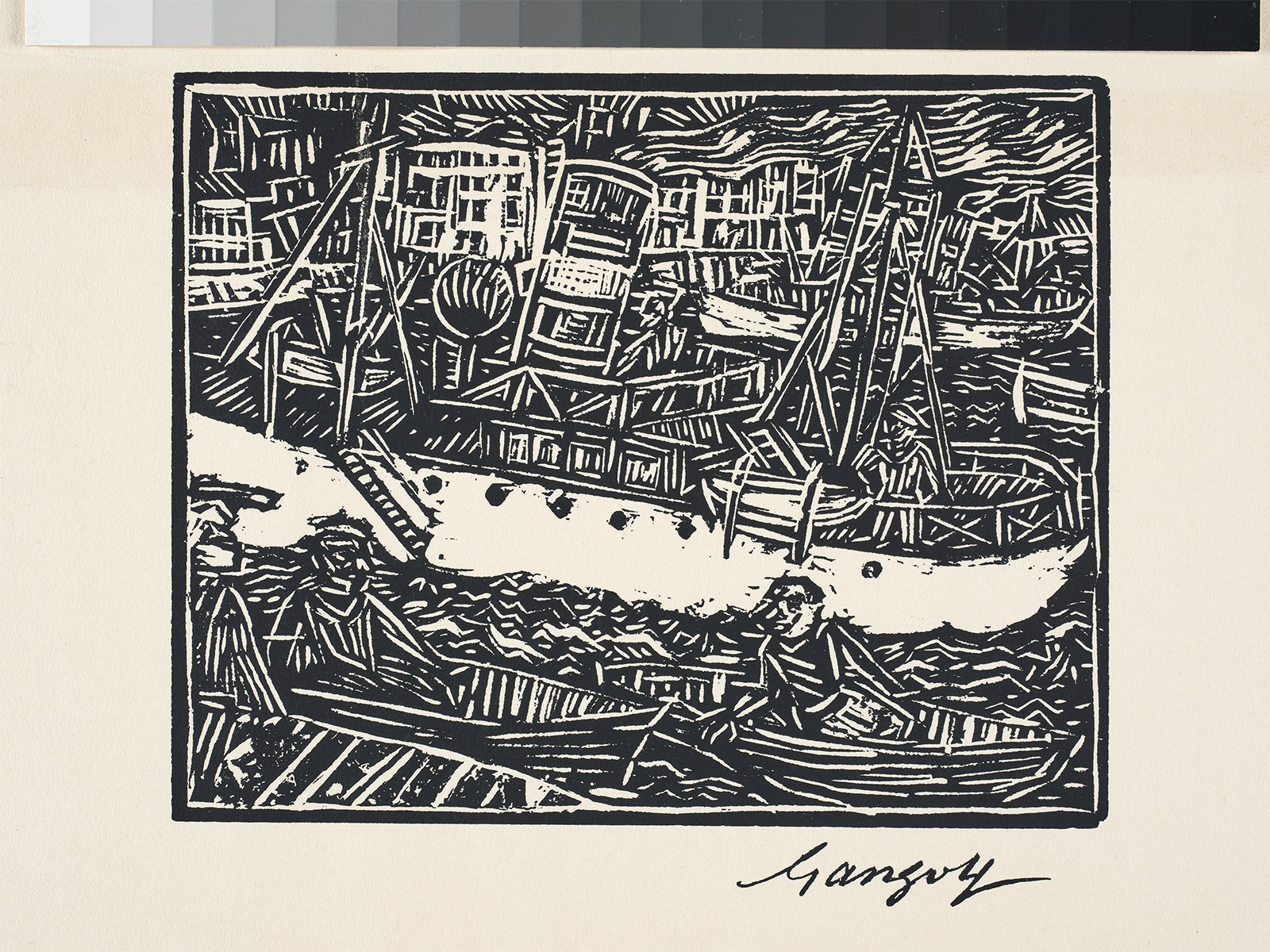
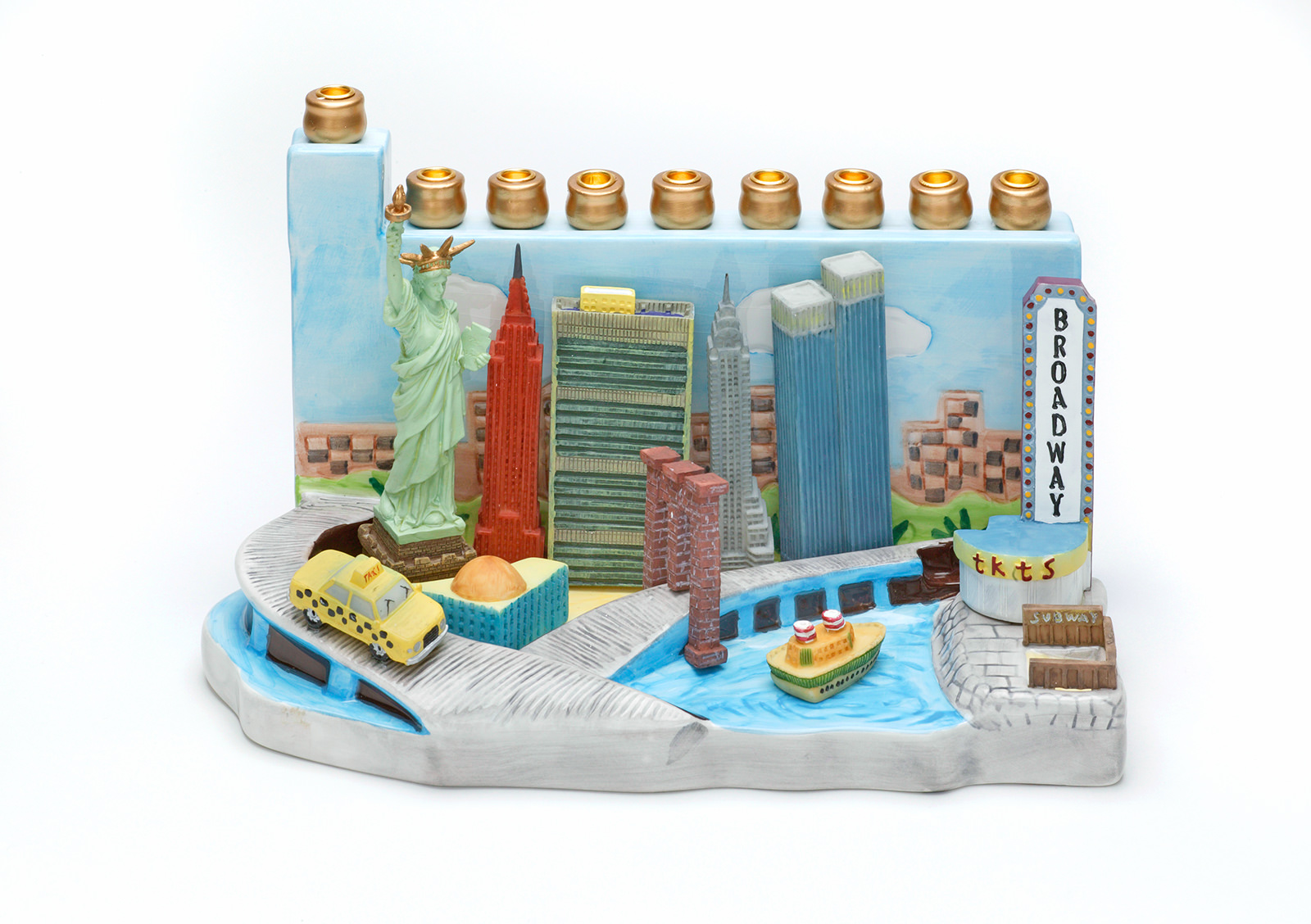
Jüdisches Museum Berlin, Inv.-Nr. 2004/192/0, Photo by Jens Ziehe
History in Real Time – Collecting and Curating Contemporary Objects in Jewish Museums
This project explores how Jewish museums collect, interpret, and display contemporary objects in the early 21st century. While traditionally focused on preserving the past, many Jewish museums today are increasingly engaging with the present, actively collecting everyday objects, ritual items, artworks, and digital materials that reflect current Jewish life, memory, and political realities. This shift has introduced new curatorial practices, such as rapid response collecting and the inclusion of born-digital objects, raising fundamental questions about the relationship between material culture, historical relevance, and institutional narratives.
The research focuses on the motivations, methods, and frameworks behind these collecting strategies and asks: What defines an object as “contemporary” or “Jewish” in a museum context? Who decides what is preserved? And how do these practices influence the way Jewish history and identity are constructed today? By comparing case studies from European, Israeli, and North American Jewish museums, including institutions in Frankfurt, Berlin, Warsaw, New York, and Tel Aviv, the project will investigate how national, cultural, and institutional contexts shape collecting decisions.
Drawing from museum studies, memory studies, and Jewish cultural history, this research will use a combination of curatorial interviews, archival research, and exhibition analysis to conceptualize contemporary collecting as a distinct practice within Jewish museums. It also examines how museums respond to urgent events – such as the COVID-19 pandemic or the October 7, 2023, Hamas attacks – through collecting practices that seek to preserve “history in real time.” Ultimately, the project contributes to a broader understanding of how museums function not only as spaces of preservation but also as active agents in shaping the present and future of Jewish memory and belonging.