Threads of Identity – The Evolution of Israeli Fashion and the Attempt to Create a National Dress

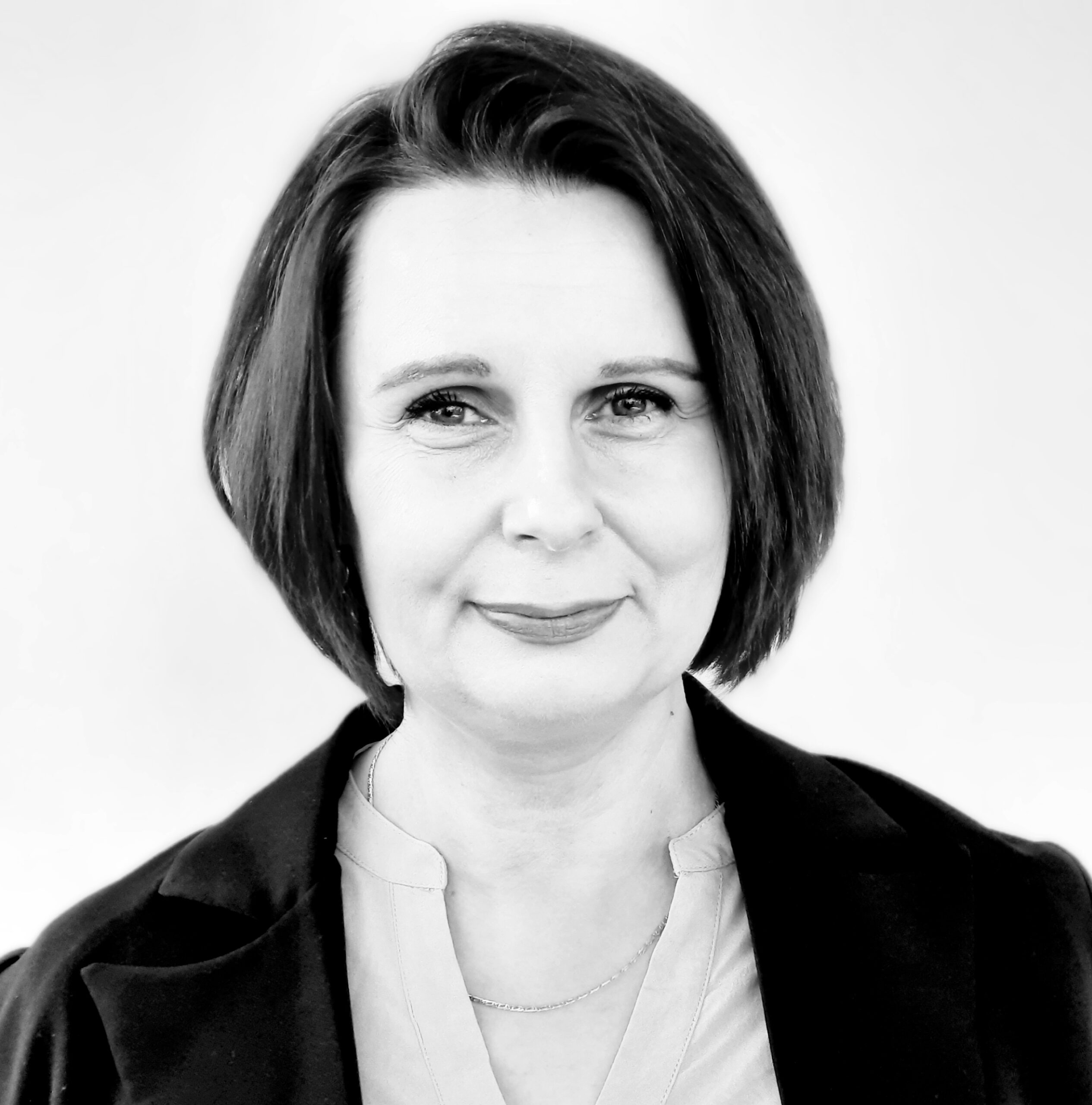
The Written Silent, the Visible Absence, and the Text in the Written after 1945 – Materiality of Catastrophe, Exile and Belonging in Barbara Honigmann’s Writings
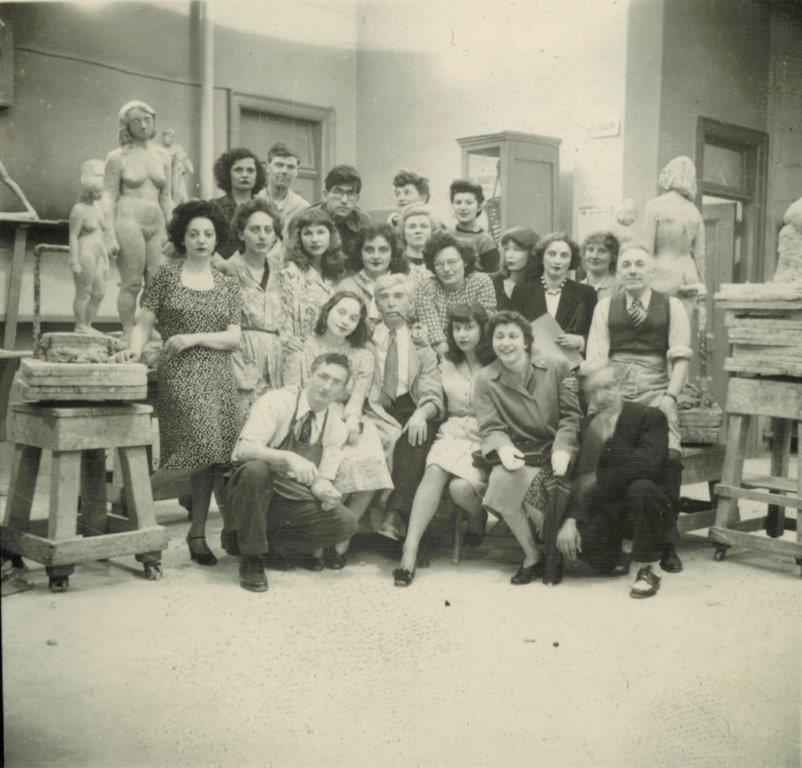
The Origin of Form and the Ephemeral Nature of Belonging(s): Jewish Women Sculptors in Twentieth-Century Vienna
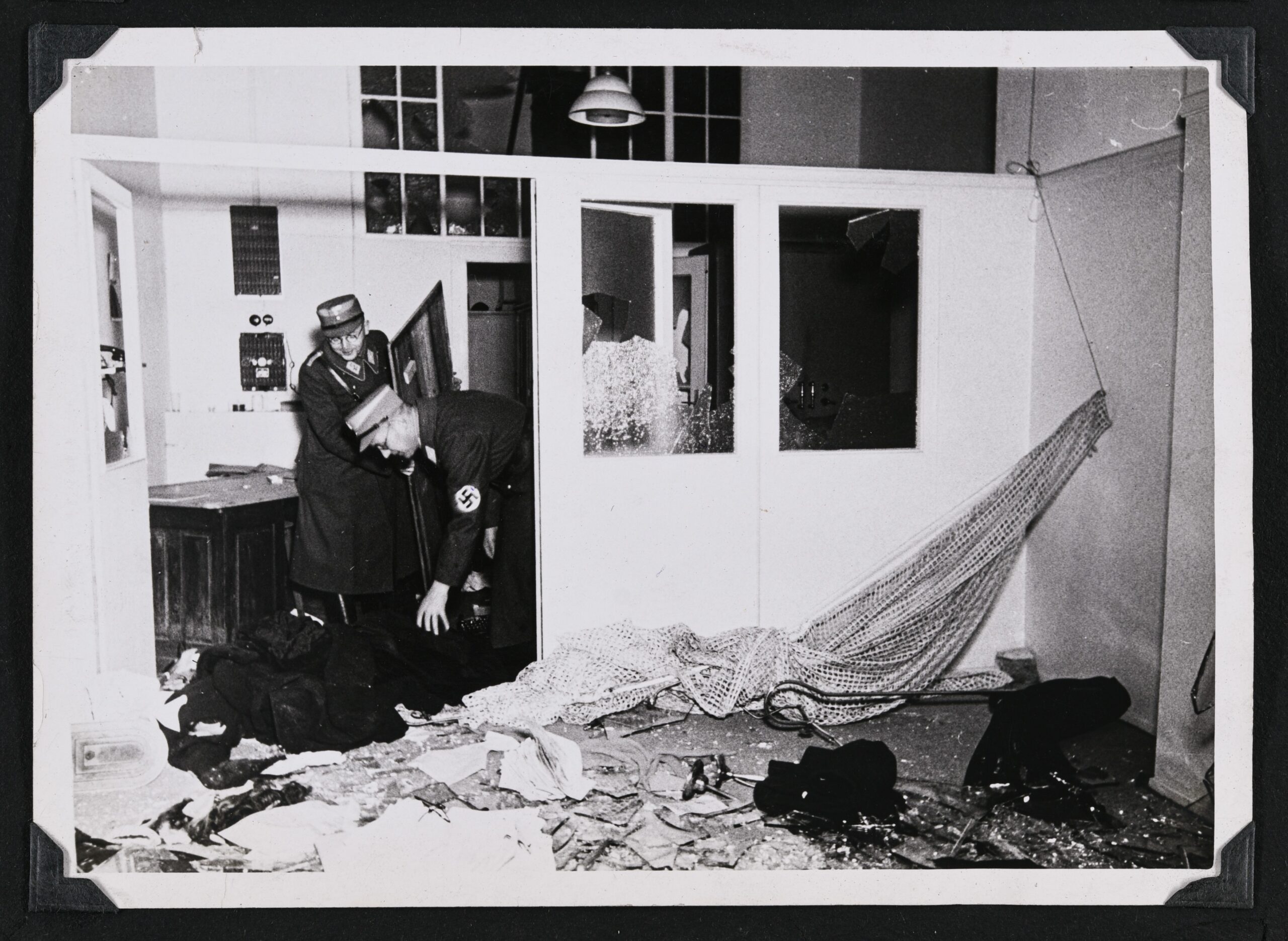
“Home was not Home anymore.” The Destruction of Private Jewish Living Spaces in the November Pogroms of 1938
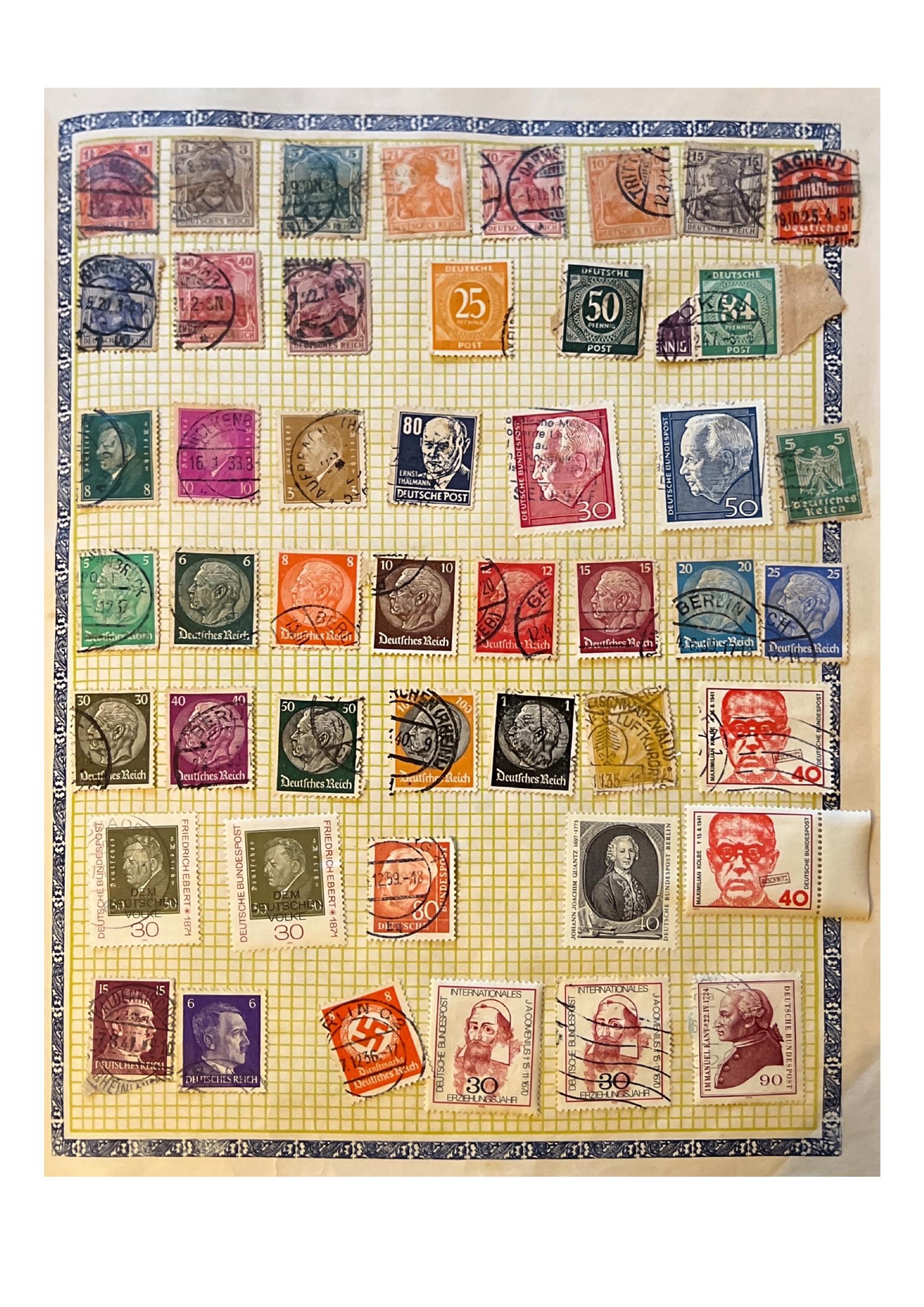
Corresponding with history – Jewish Postage Stamp Collectors and Jewish Emancipation
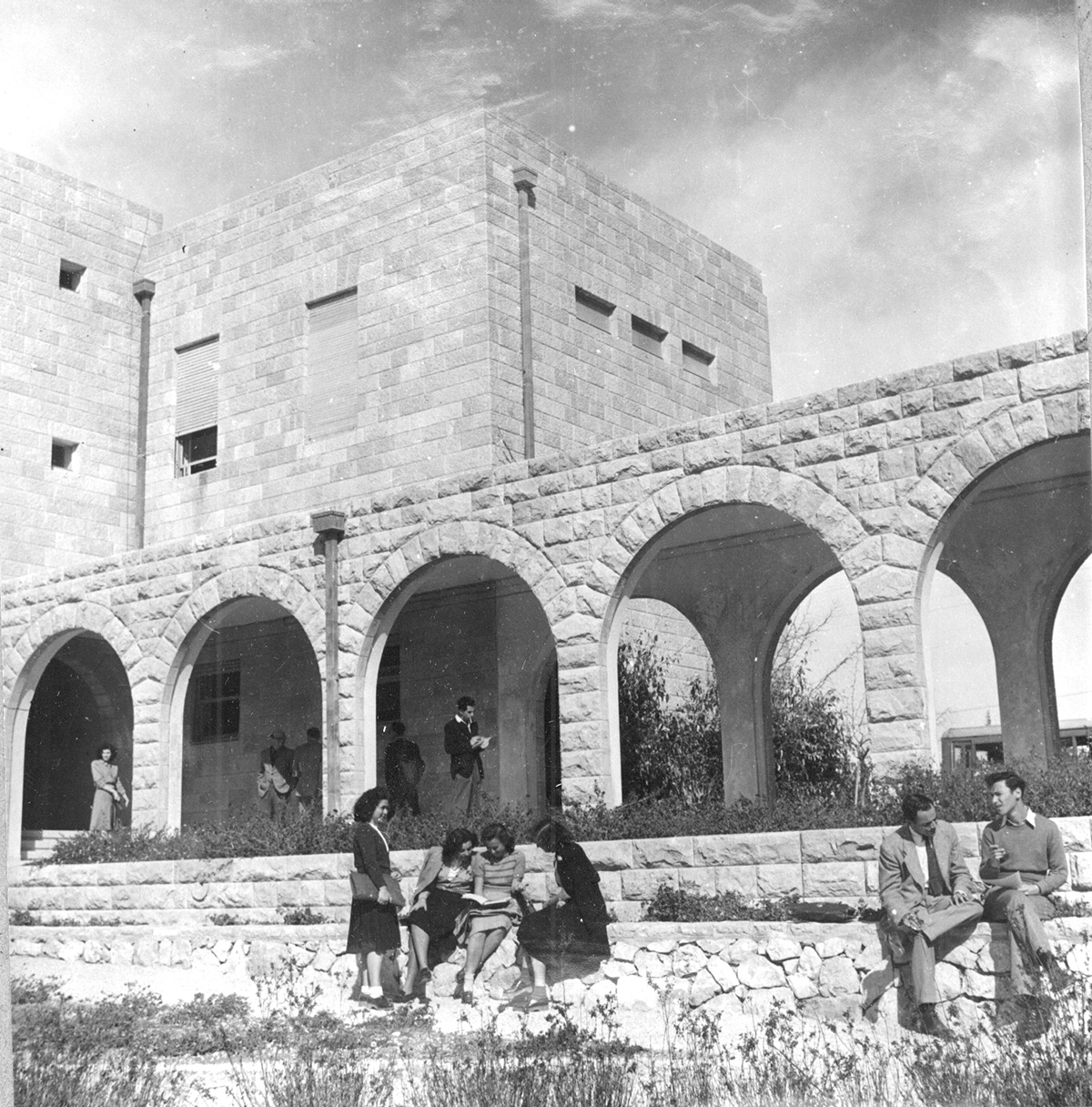
Nation-Building and Cultural Heritage – The Making of the Jewish National Library in Jerusalem, 1892–1948
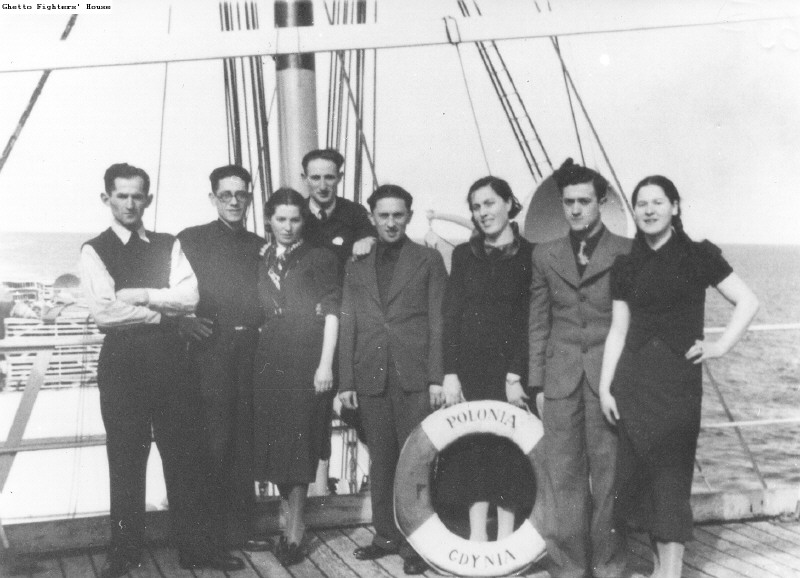
Creating Belonging: Jewish Guidebooks to Eretz Israel in the Polish Print Market (c. 1900–1948)
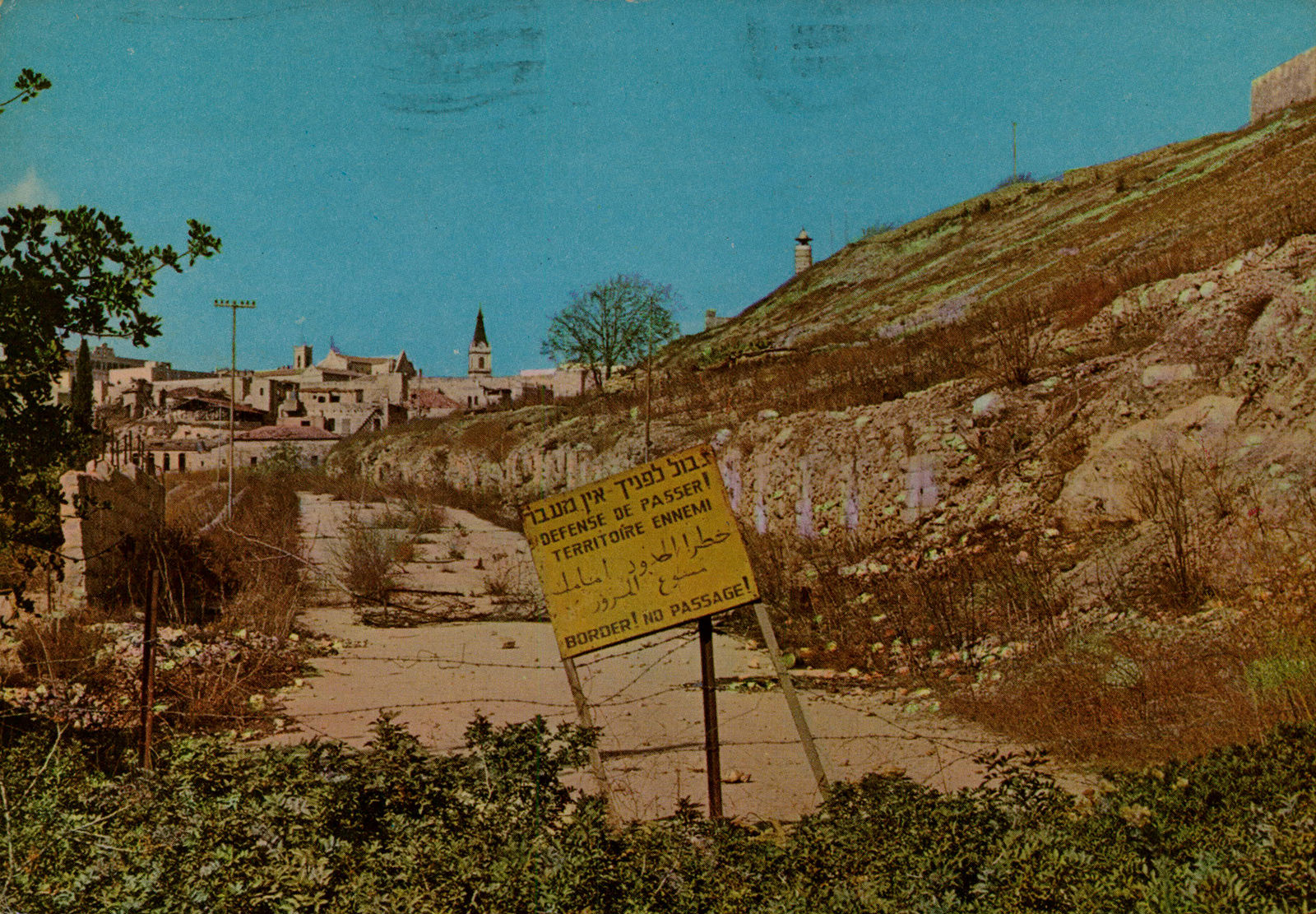
Keeping in Touch: Postcarding Borderscapes in Palestine|Israel – Material Postal Entanglements across Shifting Borders
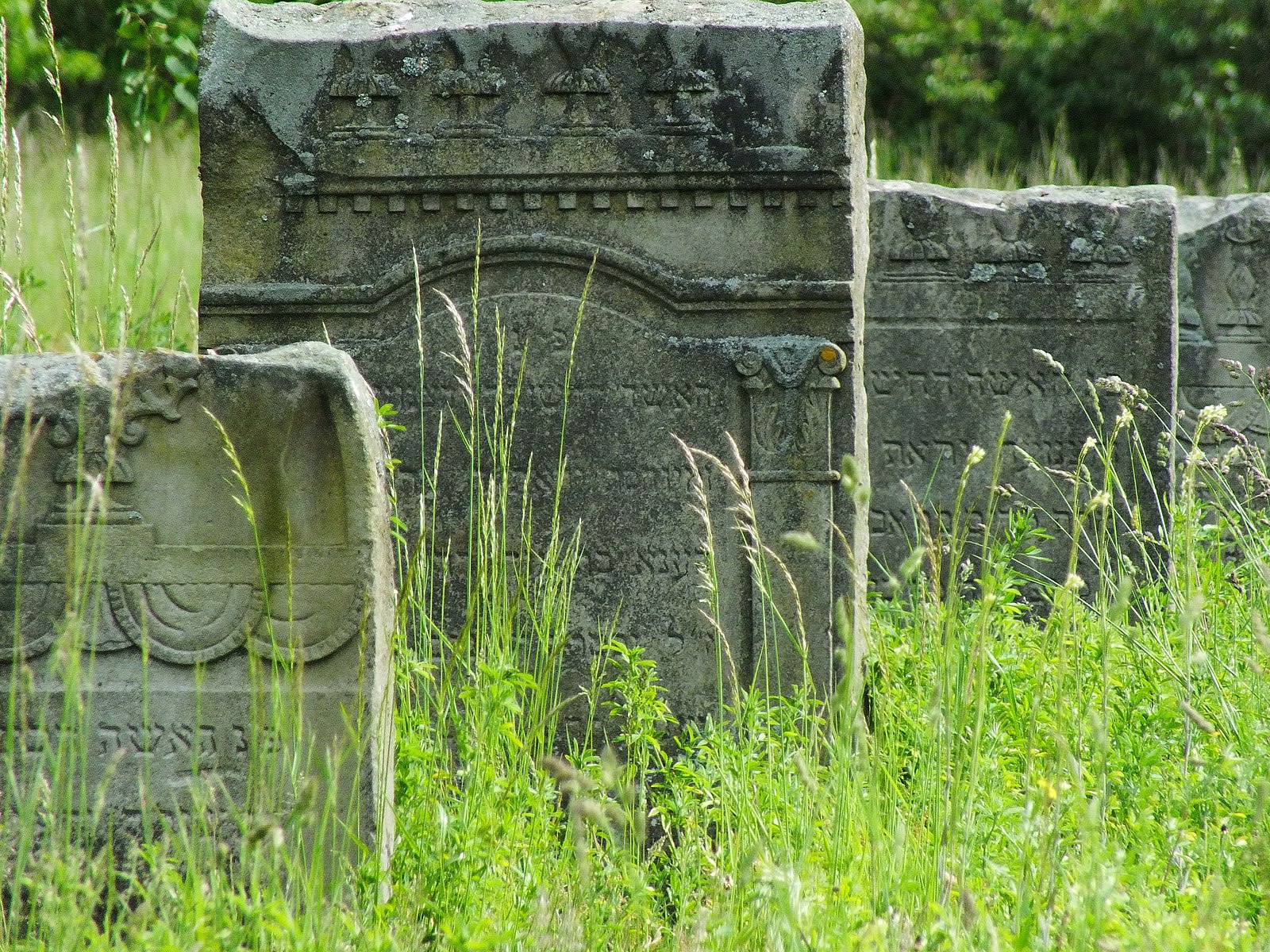
Between Ruins and Revival – Jewish Identity and Material Heritage in Post-Communist Poland
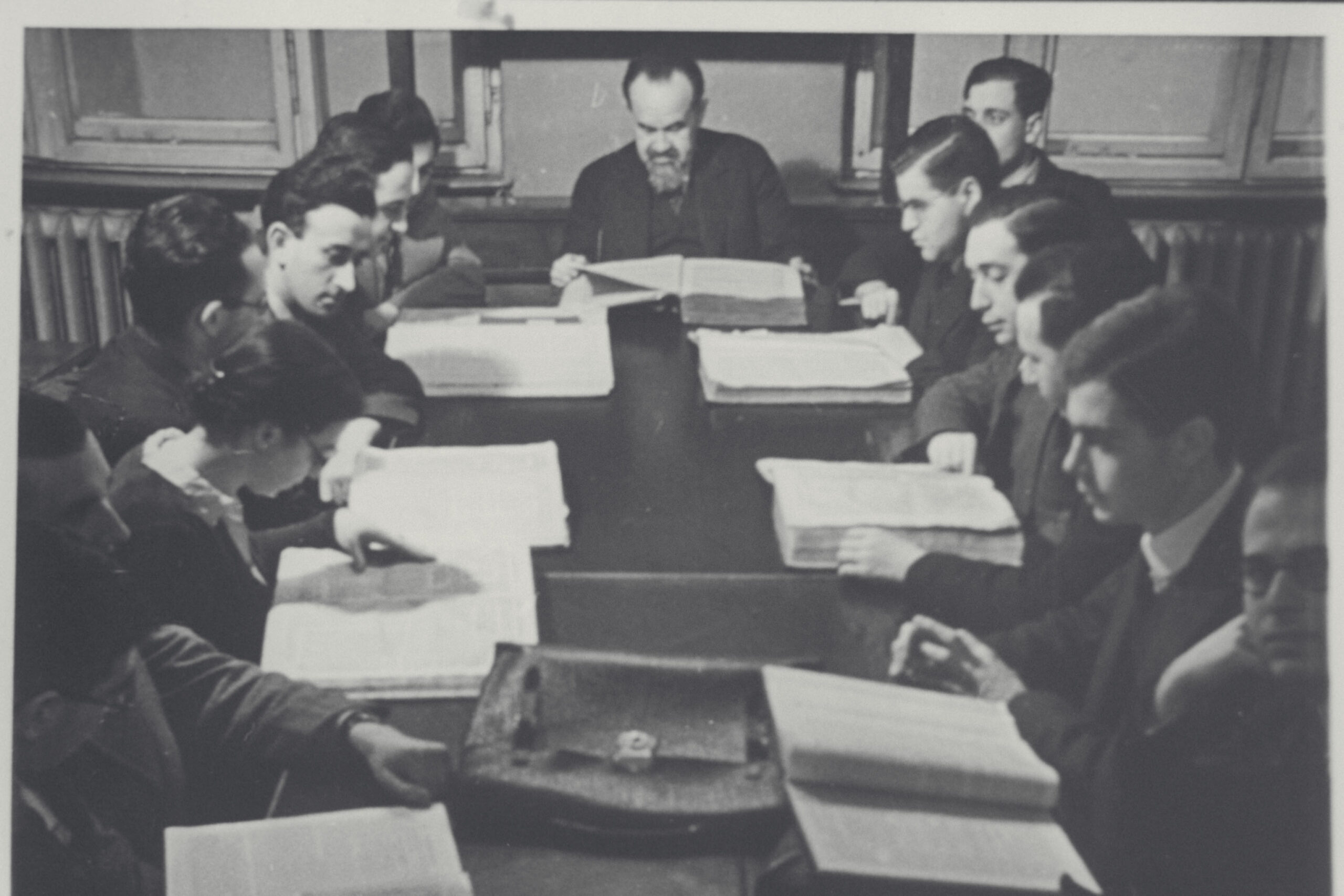
Places of Jewish Knowledge – The Wissenschaft des Judentums and its Material Sites in Berlin’s Urban Landscape, 1871–1961

Traces of belonging(s) – on the materiality of the imprisonment experience of Jewish women in the Ravensbrück women’s concentration camp
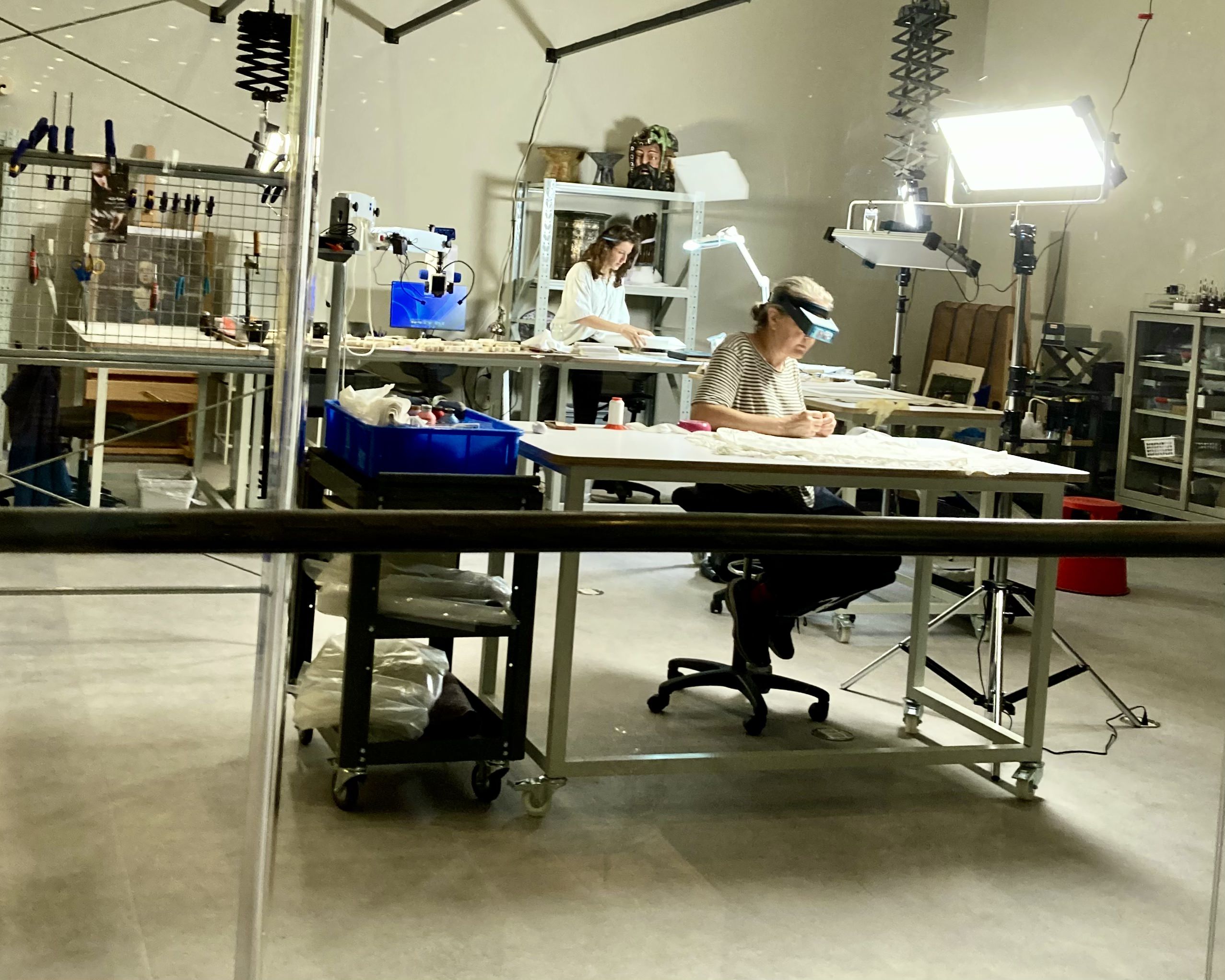
Transmission of the Material Witness: Conservation practice and the testimonial futures of Holocaust objects
To Change, Question, and Criticize – Concepts of a ‘Werk’ and Concepts of Objects in Illustrated Magazines in Berlin and Vienna during the 1920s.
“Mes poumons comme les rouleaux de la Thora” – Towards a Poetics of the Trace: Jewishness, Exile, and Writing in the Work of Hélène Cixous

Displaced Objects: Between Exile, Return, and Belonging
During her research stay at the IRTG “Belongings”, Małgorzata Stolarska-Fronia explores the changing meanings of Jewish cultural objects in contexts of exile, loss, and return.
Drawing on provenance research, material culture studies, and object biography, the research investigates how objects mediate experiences of belonging and estrangement across generations and geographical boundaries. It also considers how processes of collecting, preservation, restitution, and musealisation reshape their meanings and contribute to the construction of cultural memory.
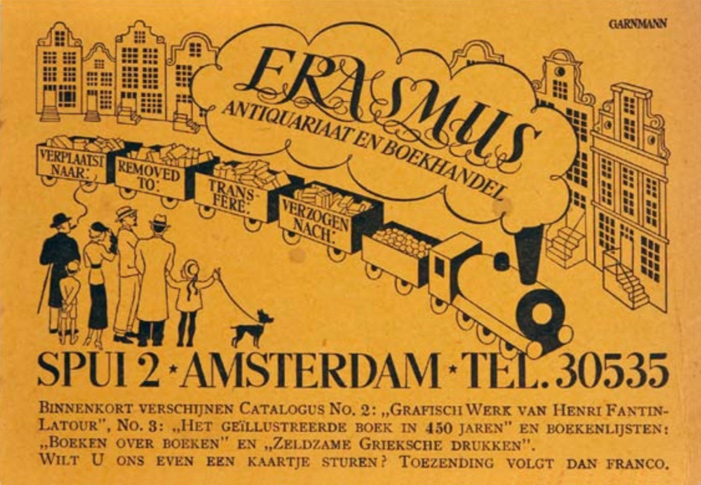
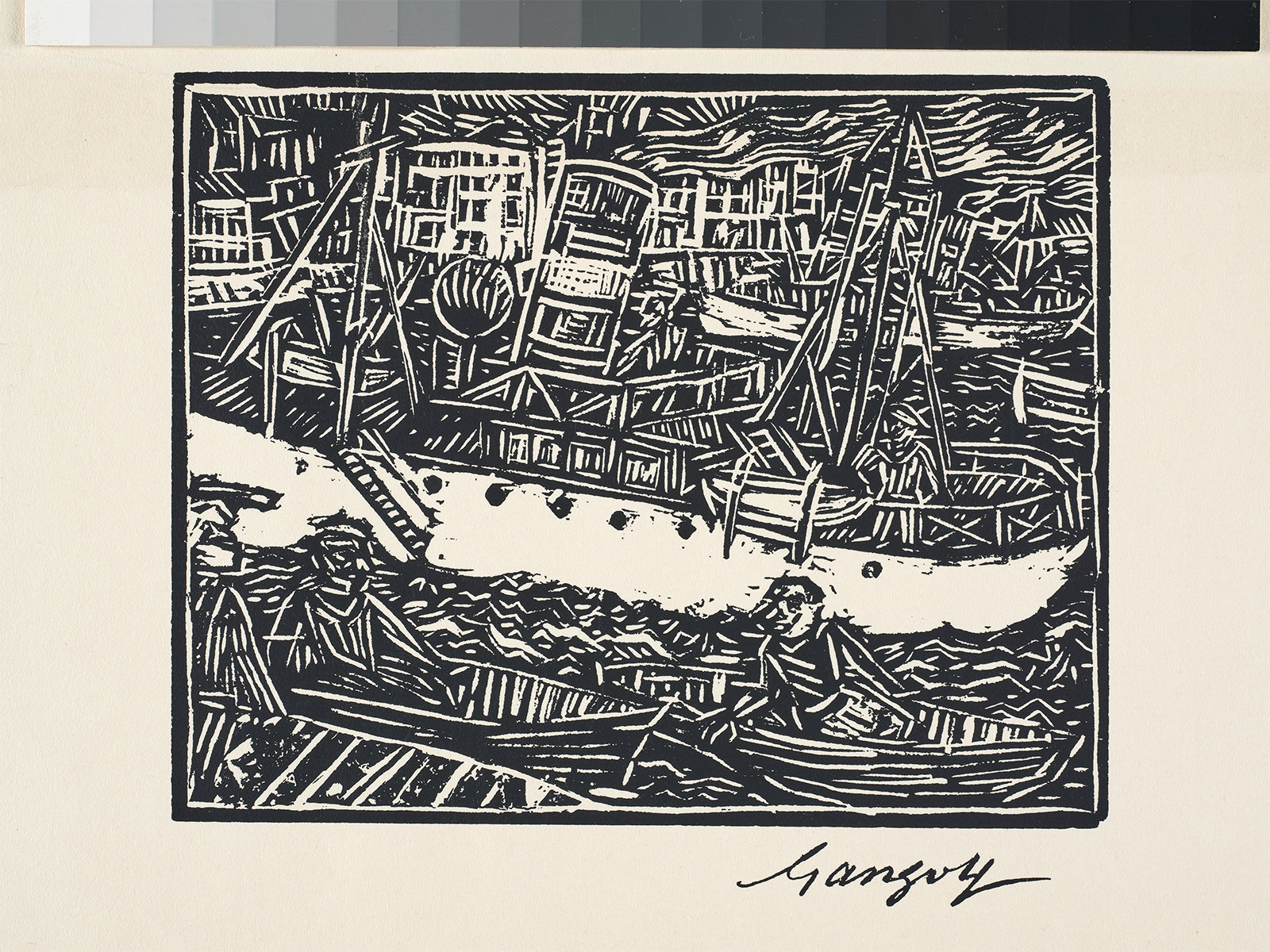
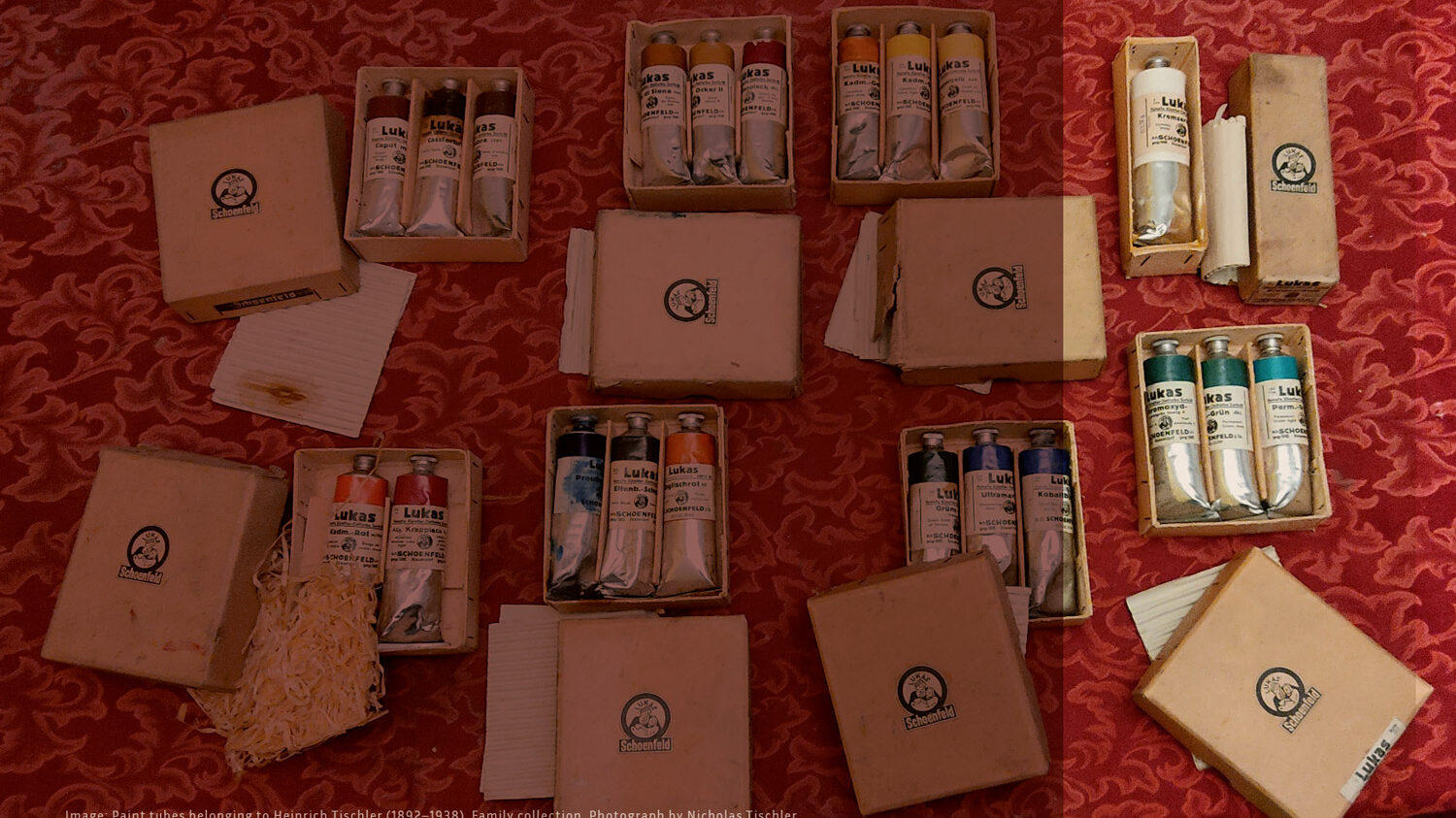
As part of the project, Małgorzata Stolarska-Fronia will deliver a lecture entitled Displaced Objects: Between Exile, Return, and Belonging. The lecture explores the history of Jewish Breslau through personal belongings that accompanied Jewish families during their emigration from Nazi Germany and have been preserved by their descendants in Britain, the United States, Israel, New Zealand, and elsewhere. These objects—including family photographs, letters, artworks, furniture, ritual objects, and everyday household items—offer insights into the lives of Breslau’s Jewish inhabitants before their displacement.
Drawing on selected family histories, the lecture traces the journeys of these objects and reconnects them with specific locations in the historical city, including family homes, schools, synagogues, businesses, and cultural institutions. It examines what these belongings reveal about everyday Jewish life in Breslau and how their meanings changed after emigration, when ordinary possessions became reminders of lost homes, family members, and communities.
The lecture also addresses the temporary return of these objects to present-day Wrocław, a city profoundly transformed after 1945. It considers how objects preserved across generations can help recover forgotten aspects of the city’s Jewish past and reconnect descendants of former Breslauers with their families’ places of origin.