
Threads of Identity – The Evolution of Israeli Fashion and the Attempt to Create a National Dress

The Written Silent, the Visible Absence, and the Text in the Written after 1945 – Materiality of Catastrophe, Exile and Belonging in Barbara Honigmann’s Writings
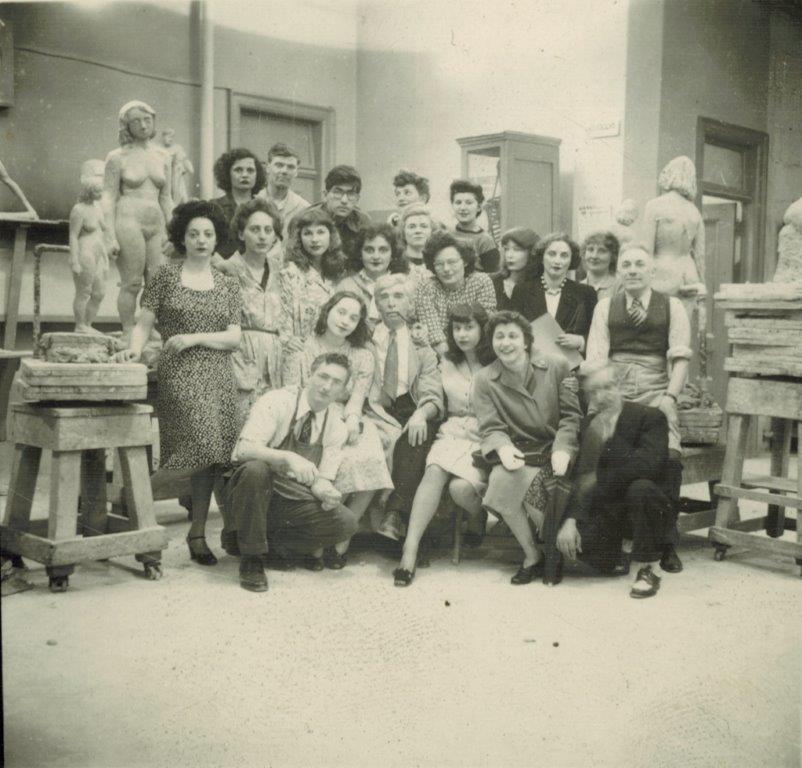
The Origin of Form and the Ephemeral Nature of Belonging(s): Jewish Women Sculptors in Twentieth-Century Vienna
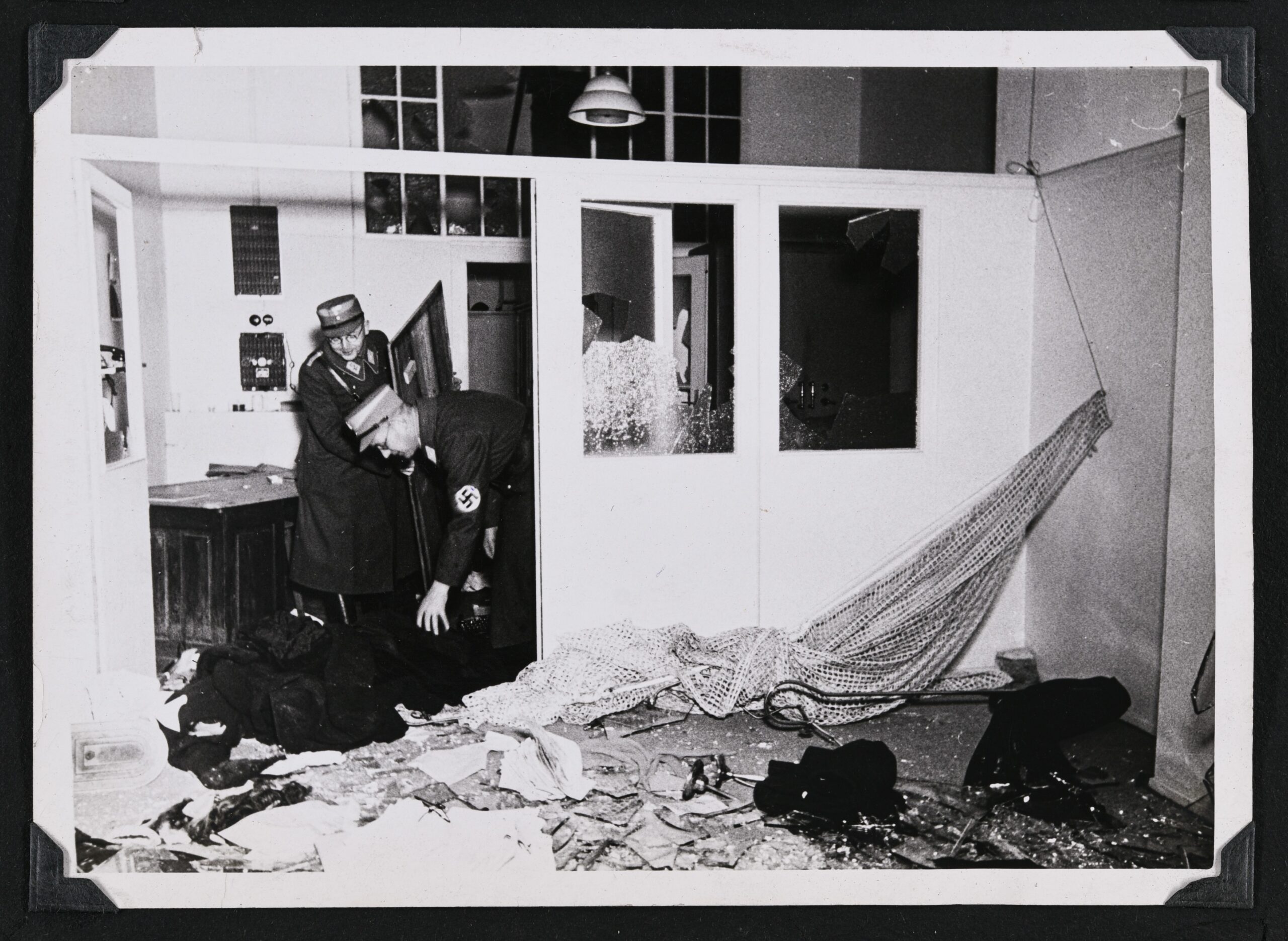
“Home was not Home anymore.” The Destruction of Private Jewish Living Spaces in the November Pogroms of 1938
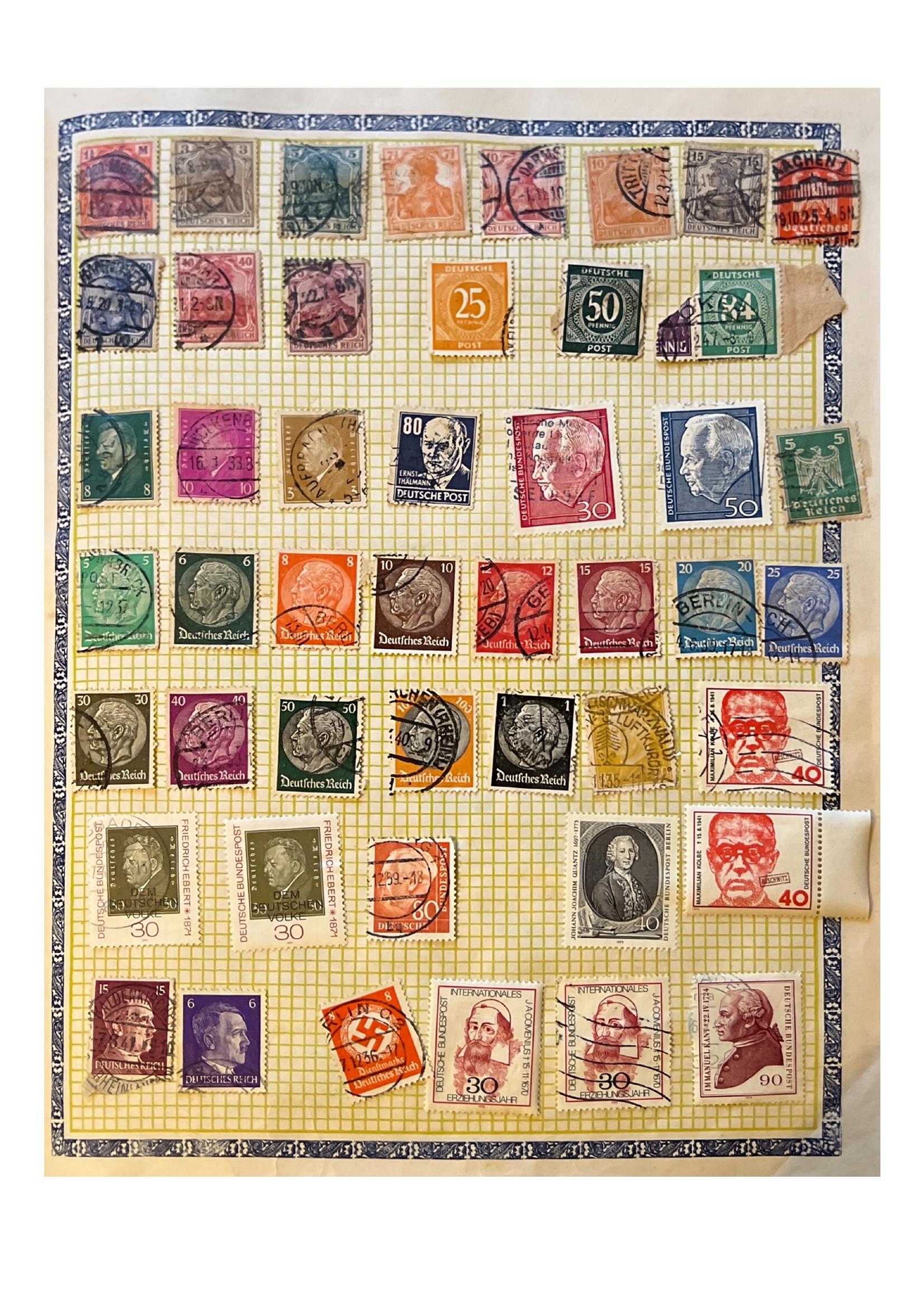
Corresponding with history – Jewish Postage Stamp Collectors and Jewish Emancipation
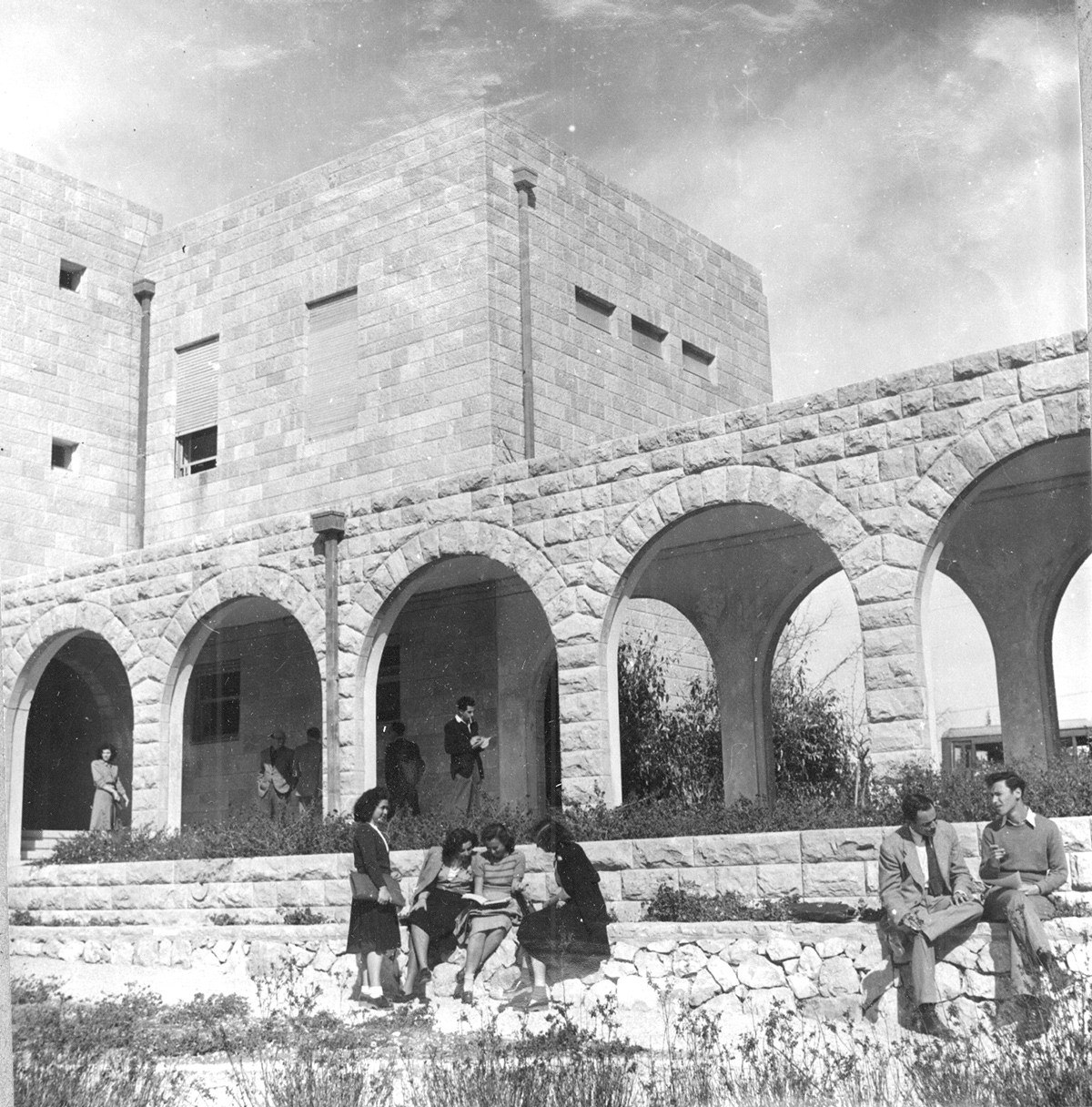
Nation-Building and Cultural Heritage – The Making of the Jewish National Library in Jerusalem, 1892–1948
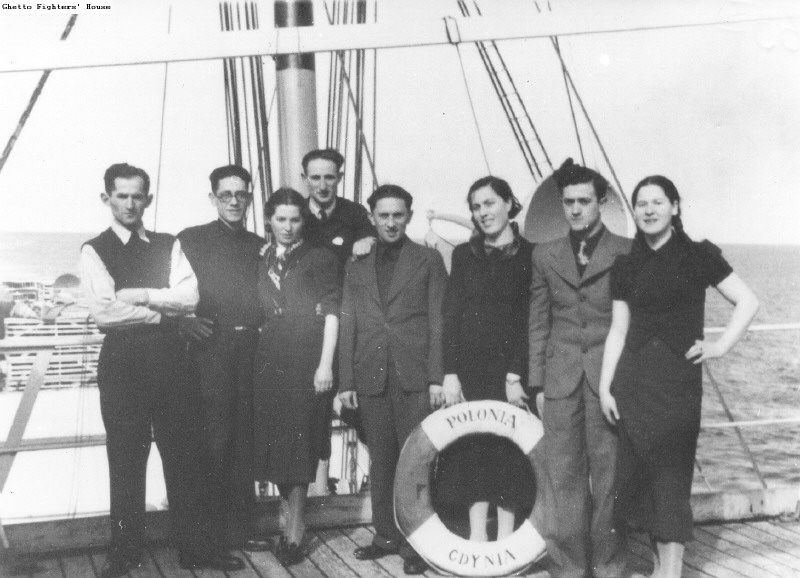
Creating Belonging: Jewish Guidebooks to Eretz Israel in the Polish Print Market (c. 1900–1948)
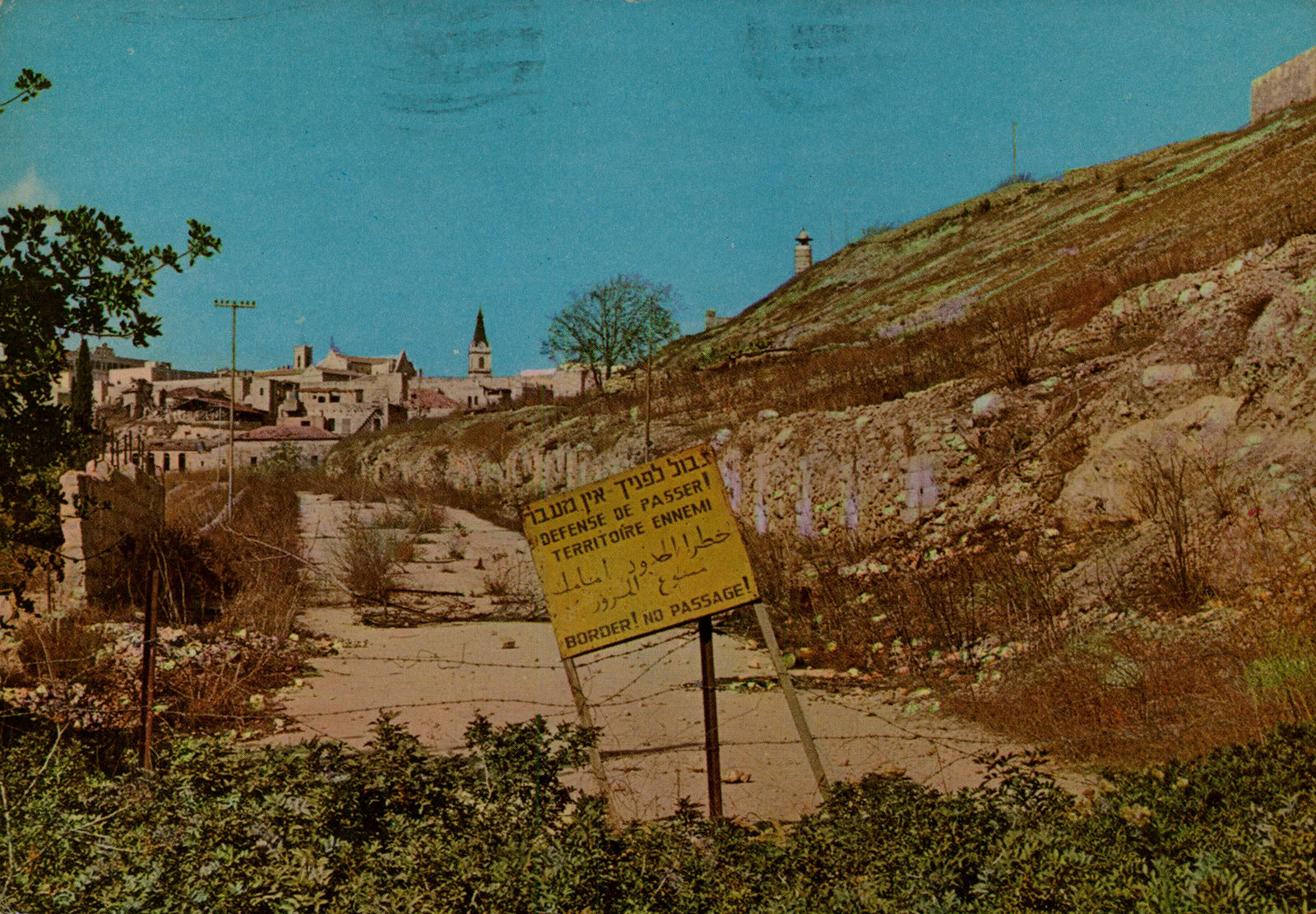
Keeping in Touch: Postcarding Borderscapes in Palestine|Israel – Material Postal Entanglements across Shifting Borders

Between Ruins and Revival – Jewish Identity and Material Heritage in Post-Communist Poland
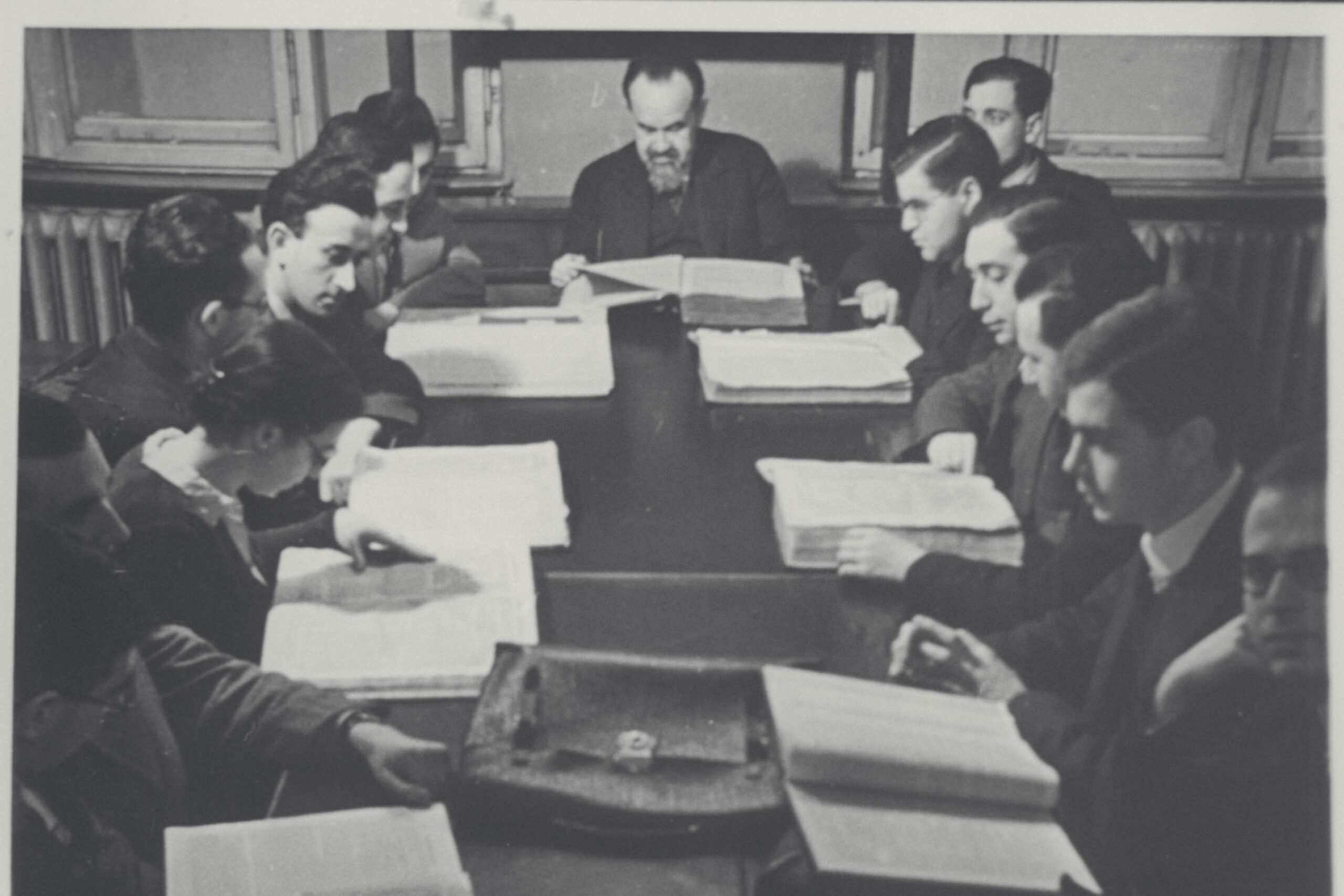
Places of Jewish Knowledge – The Wissenschaft des Judentums and its Material Sites in Berlin’s Urban Landscape, 1871–1961

Traces of belonging(s) – on the materiality of the imprisonment experience of Jewish women in the Ravensbrück women’s concentration camp
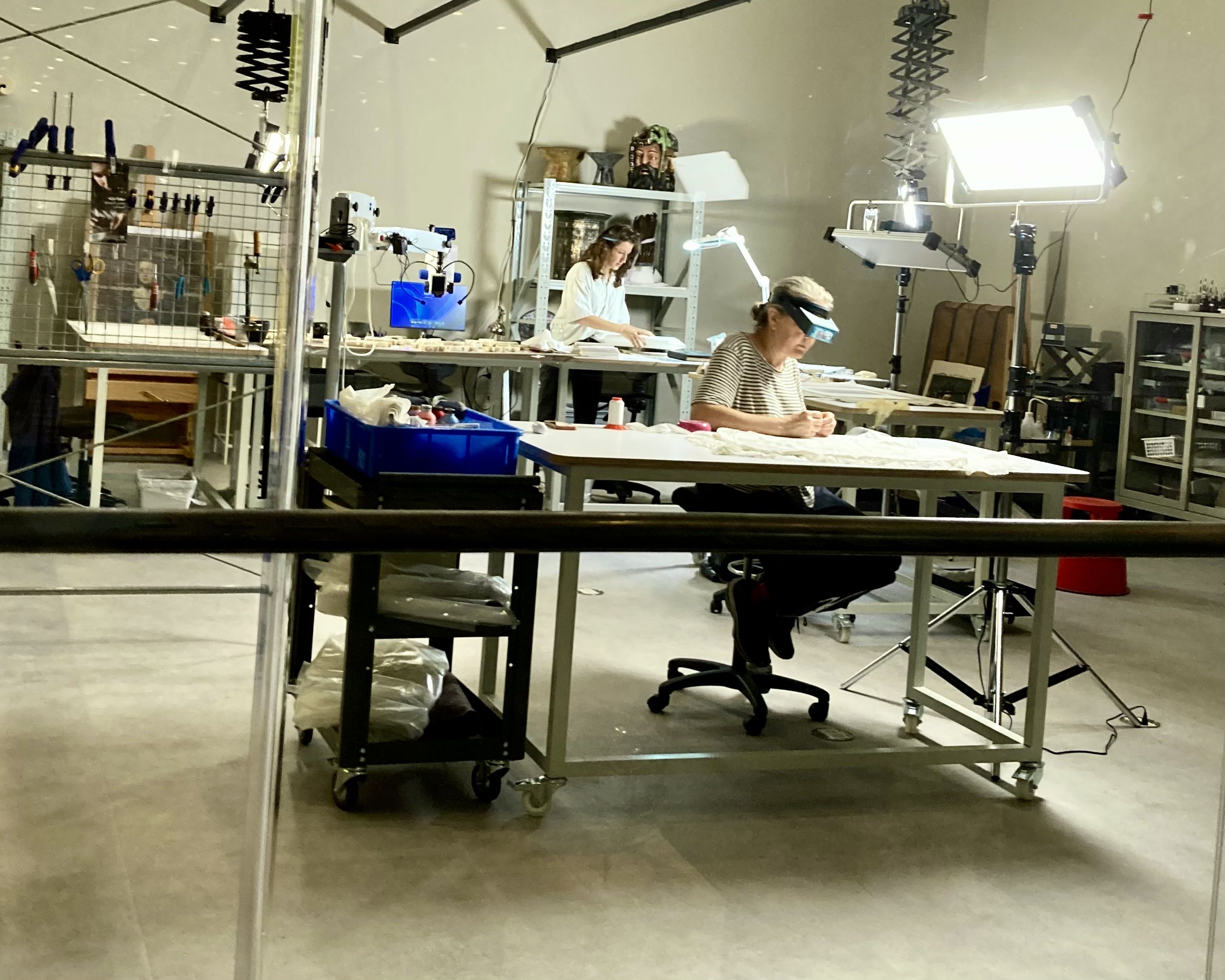
Transmission of the Material Witness: Conservation practice and the testimonial futures of Holocaust objects
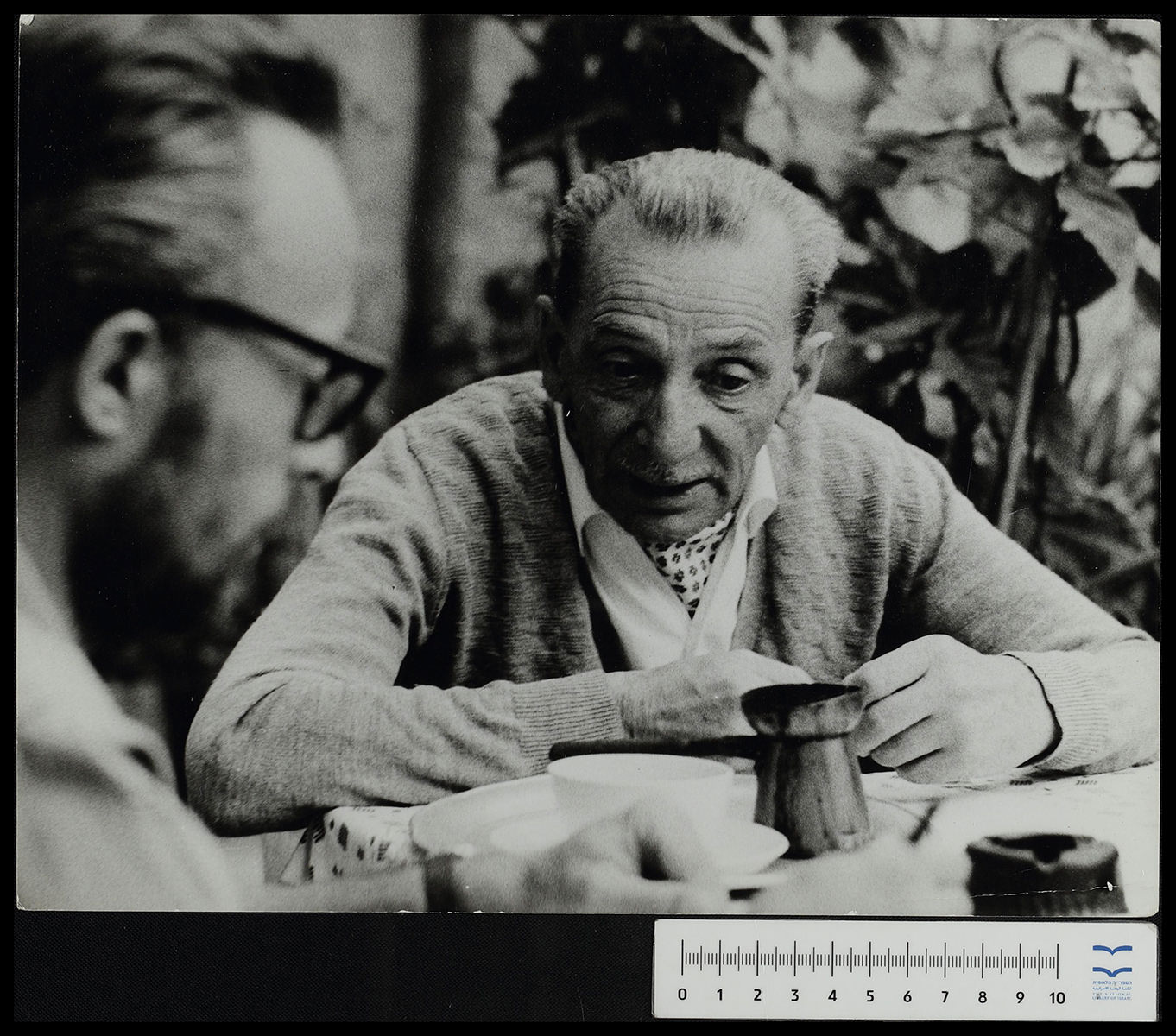
To Change, Question, and Criticize – Concepts of a ‘Werk’ and Concepts of Objects in Illustrated Magazines in Berlin and Vienna during the 1920s.
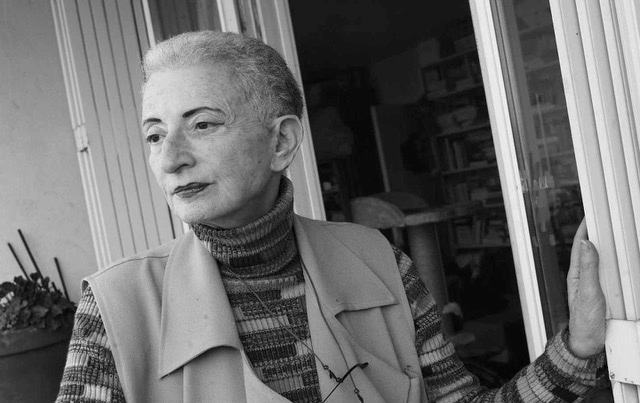
“Mes poumons comme les rouleaux de la Thora” – Towards a Poetics of the Trace: Jewishness, Exile, and Writing in the Work of Hélène Cixous
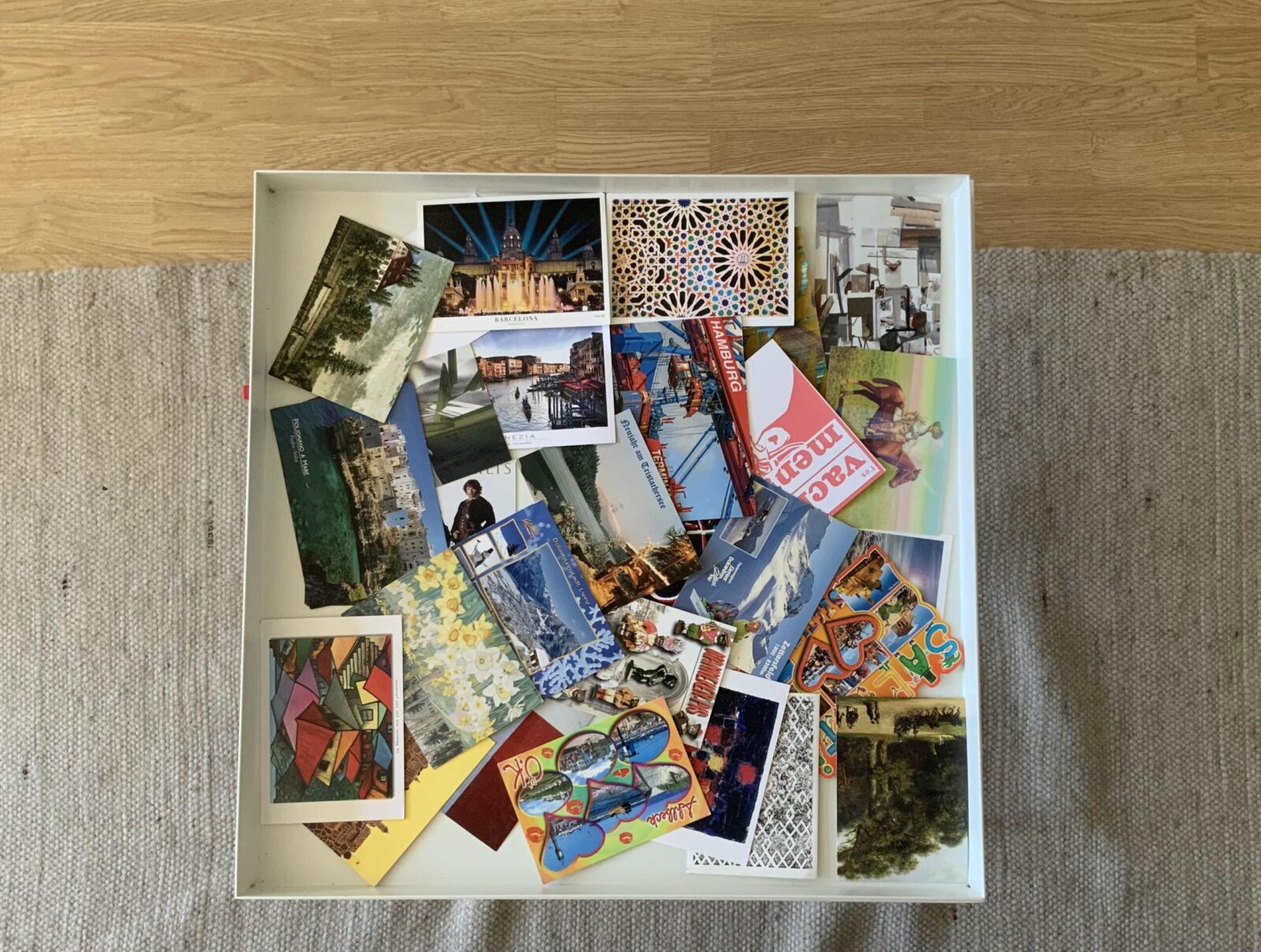
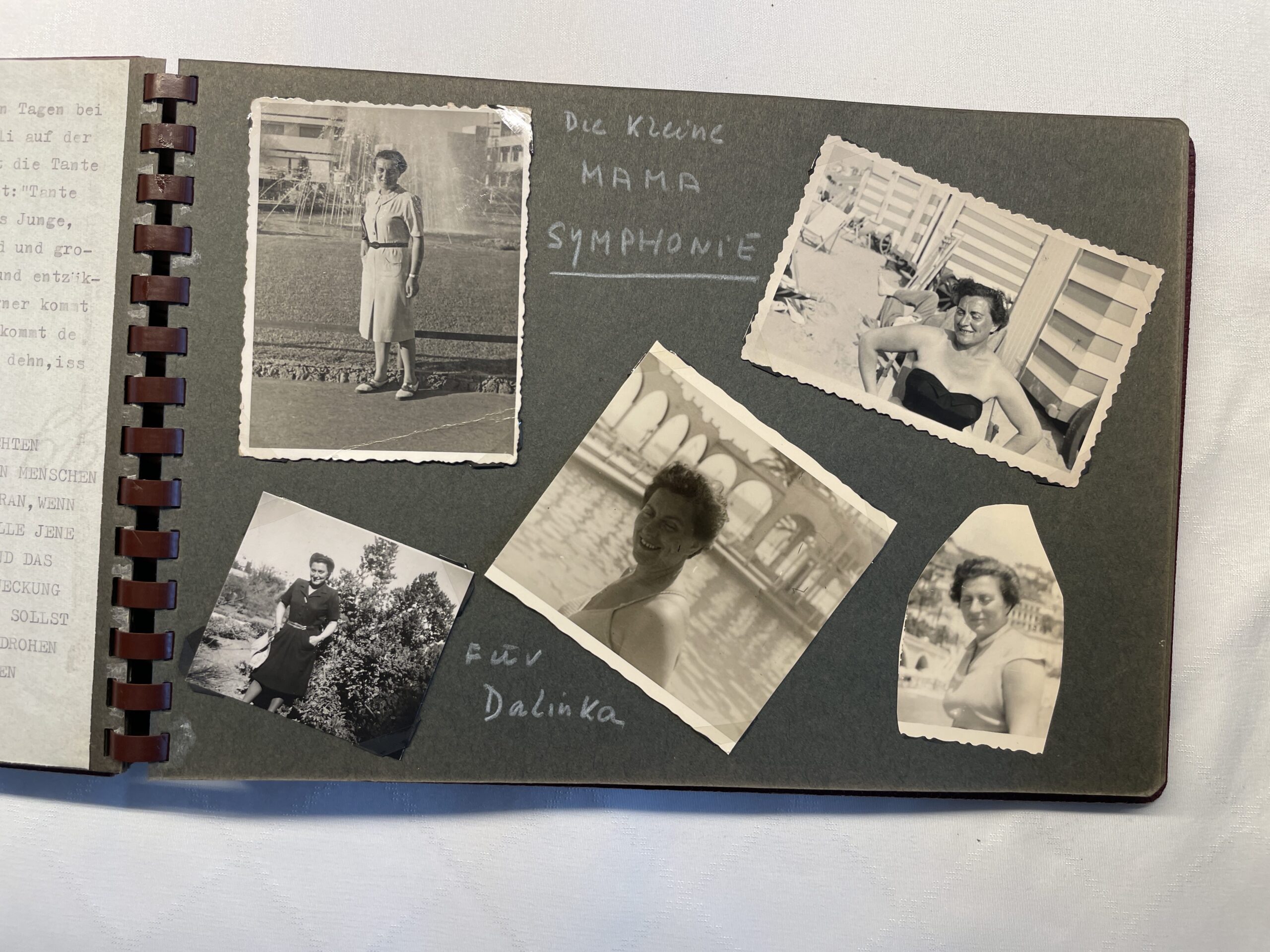
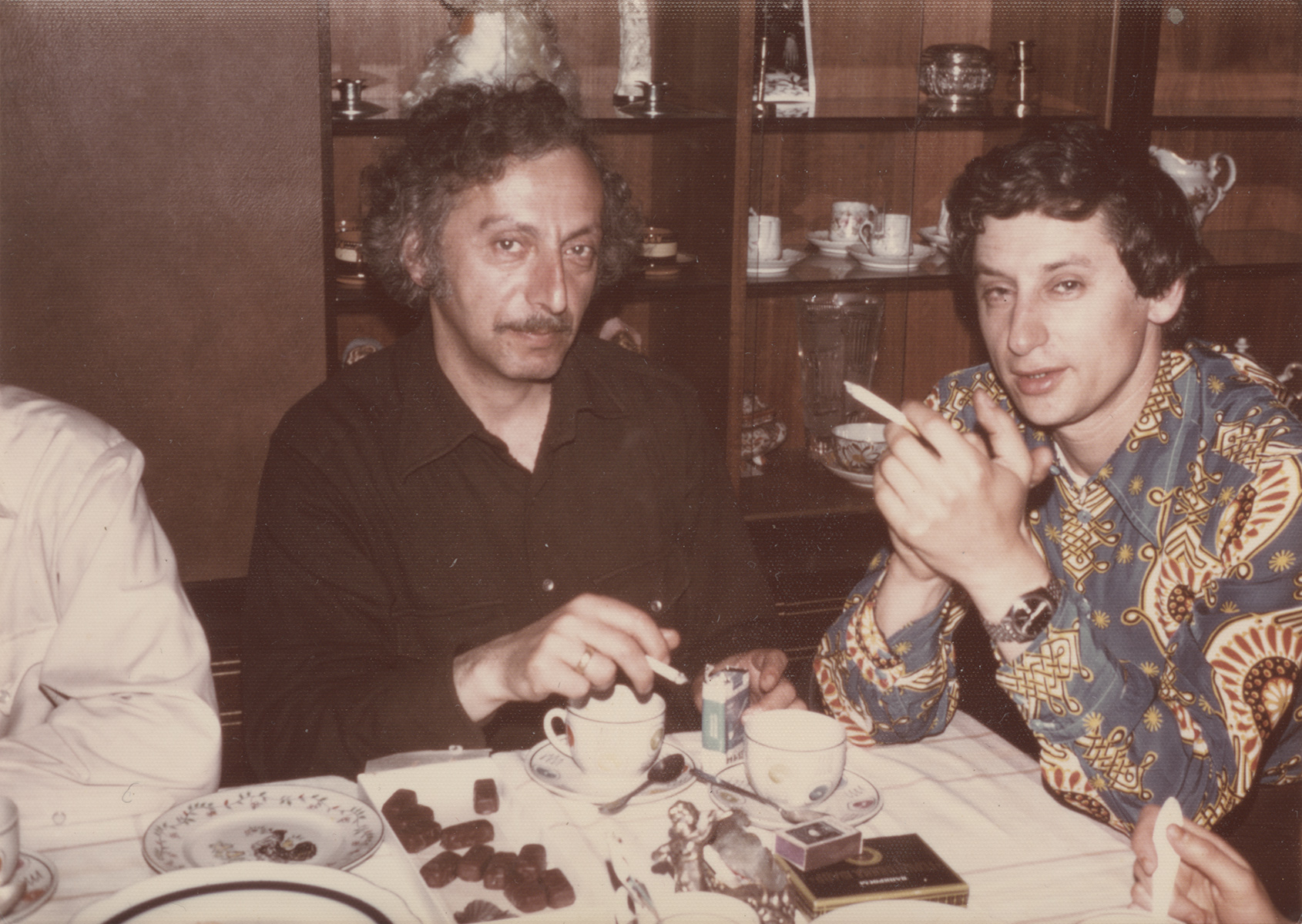
Photo by Shlomit Strutti
Transmission of the Material Witness: Conservation practice and the testimonial futures of Holocaust objects
This dissertation examines the conservation of Holocaust objects as a future-oriented practice. It takes as its point of departure the figure of the Holocaust object as object-witness: at once evidence, relic, historical and forensic source, memory object, and museum artifact. In the post-witness era, as the mediation of the Holocaust shifts increasingly onto other-than-human forms of testimony, the conservation of Holocaust objects becomes a site where fundamental questions are negotiated in practice: what is to be preserved, what counts as truthful transmission, and what imagined future relation between material and truth guides these decisions.
Situated at the intersection of Holocaust studies, critical heritage studies, museological studies, and critical conservation studies, the project argues that material conservation has in recent decades been undertheorized as a truth practice, with particular consequences for the case of Holocaust objects. It therefore approaches the technical stewardship of conservation as a set of situated practices in which ethical principles, institutional frameworks, material properties, and future imaginaries are negotiated. Methodologically, it combines ethnographic observation, interviews, and visual and material analysis in a comparative examination across major Holocaust repositories as well as across media types such as documents, photographs and everyday objects.
The project asks how conservation practice constitutes the testimonial capacity of Holocaust objects, and what implicit theory of testimony this work embeds. In doing so, it seeks to contribute both to contemporary debates on the future of Holocaust memory and to broader theoretical discussions on materiality and the transmission of the past, in light of contemporary technological and epistemological changes.