Materializing Memory and Sanctifying Place – Jewish Sephardic Heritage in Contemporary Spain

Threads of Identity – The Evolution of Israeli Fashion and the Attempt to Create a National Dress

The Written Silent, the Visible Absence, and the Text in the Written after 1945 – Materiality of Catastrophe, Exile and Belonging in Barbara Honigmann’s Writings
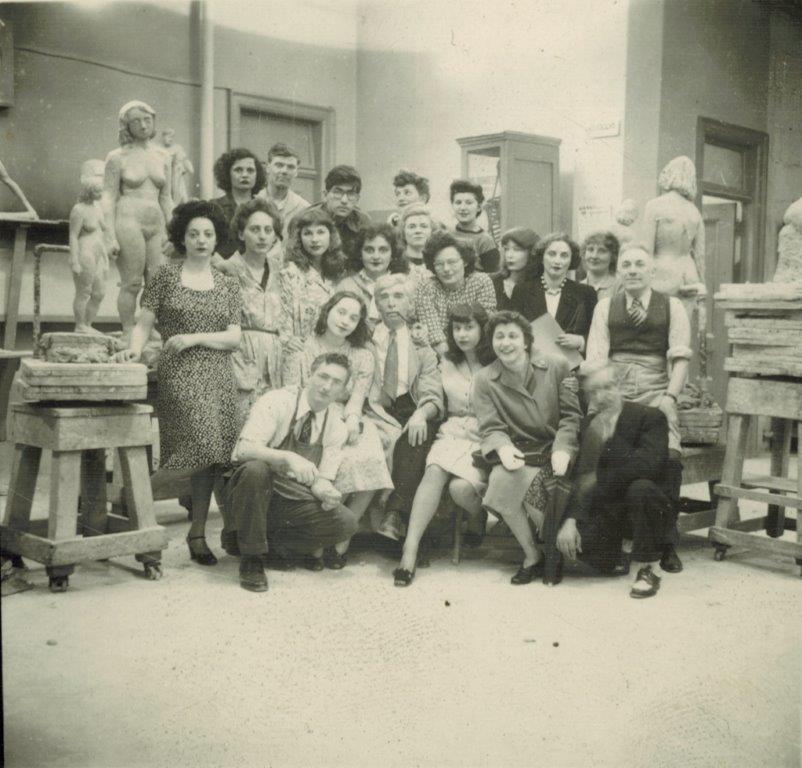
Processing Loss and Fostering Resilience – Jewish and Female Sculptural Strategies of Coping with the 20th Century
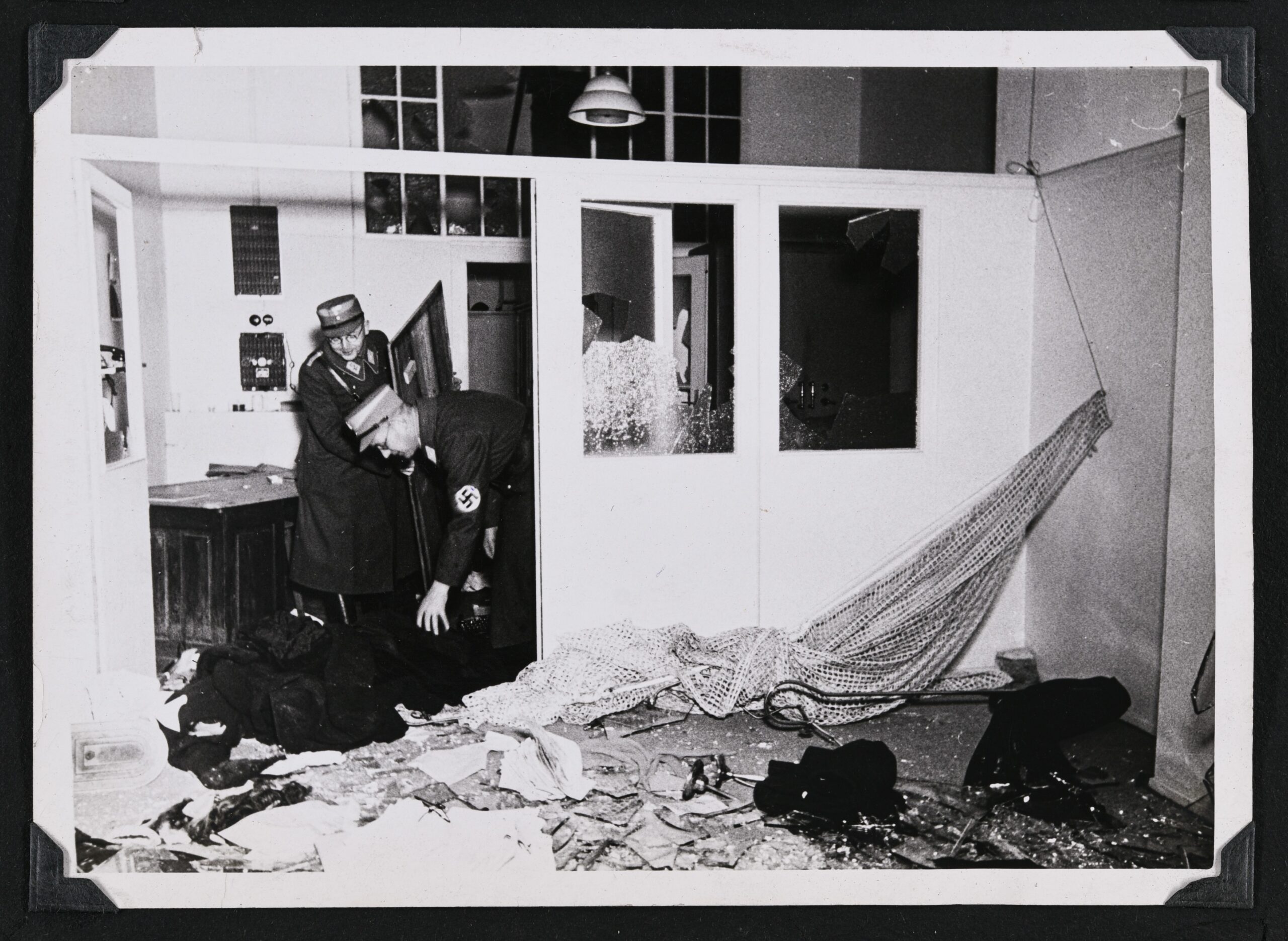
“Home was not Home anymore.” The Destruction of Private Jewish Living Spaces in the November Pogroms of 1938
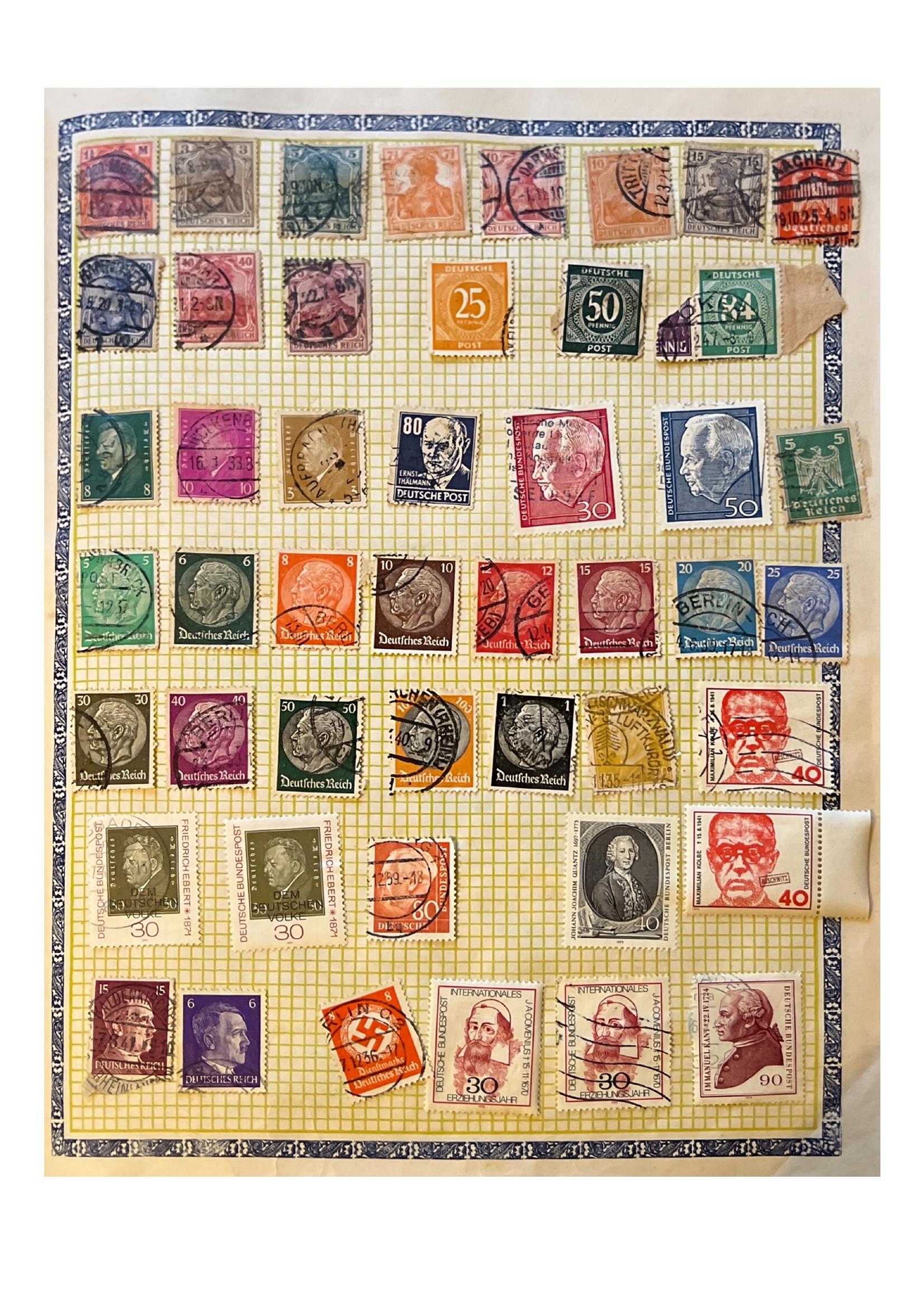
Corresponding with history – Jewish Postage Stamp Collectors and Jewish Emancipation
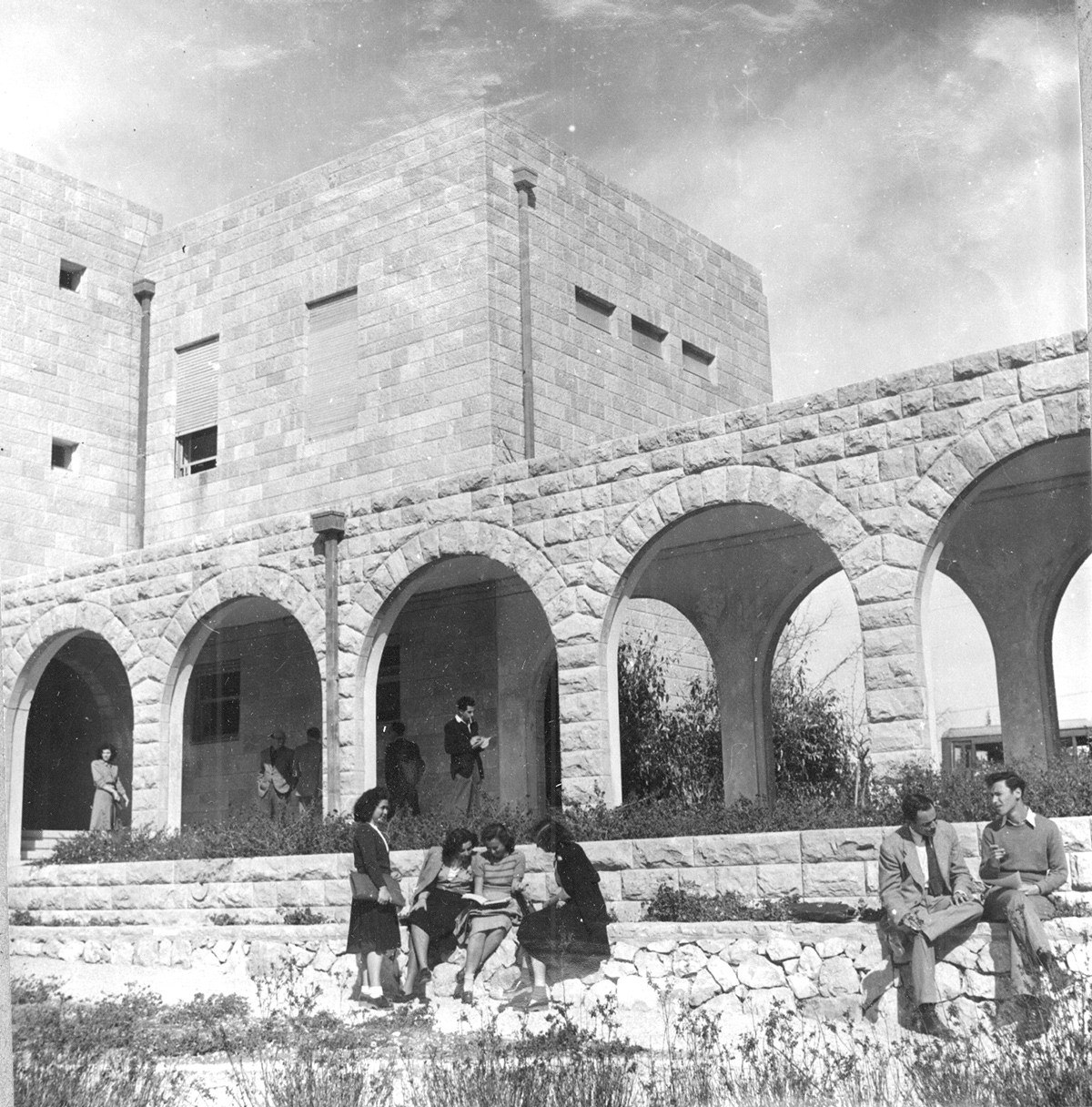
Nation-Building and Cultural Heritage – The Making of the Jewish National Library in Jerusalem, 1892–1948
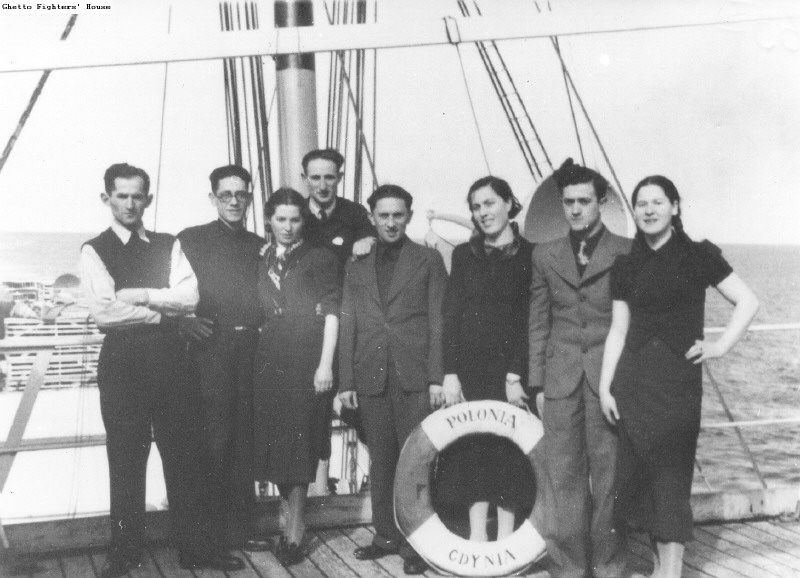
DVARIM POLANIM – Material Culture and the Changing Identity of Polish Jews in Israel across the 20th Century
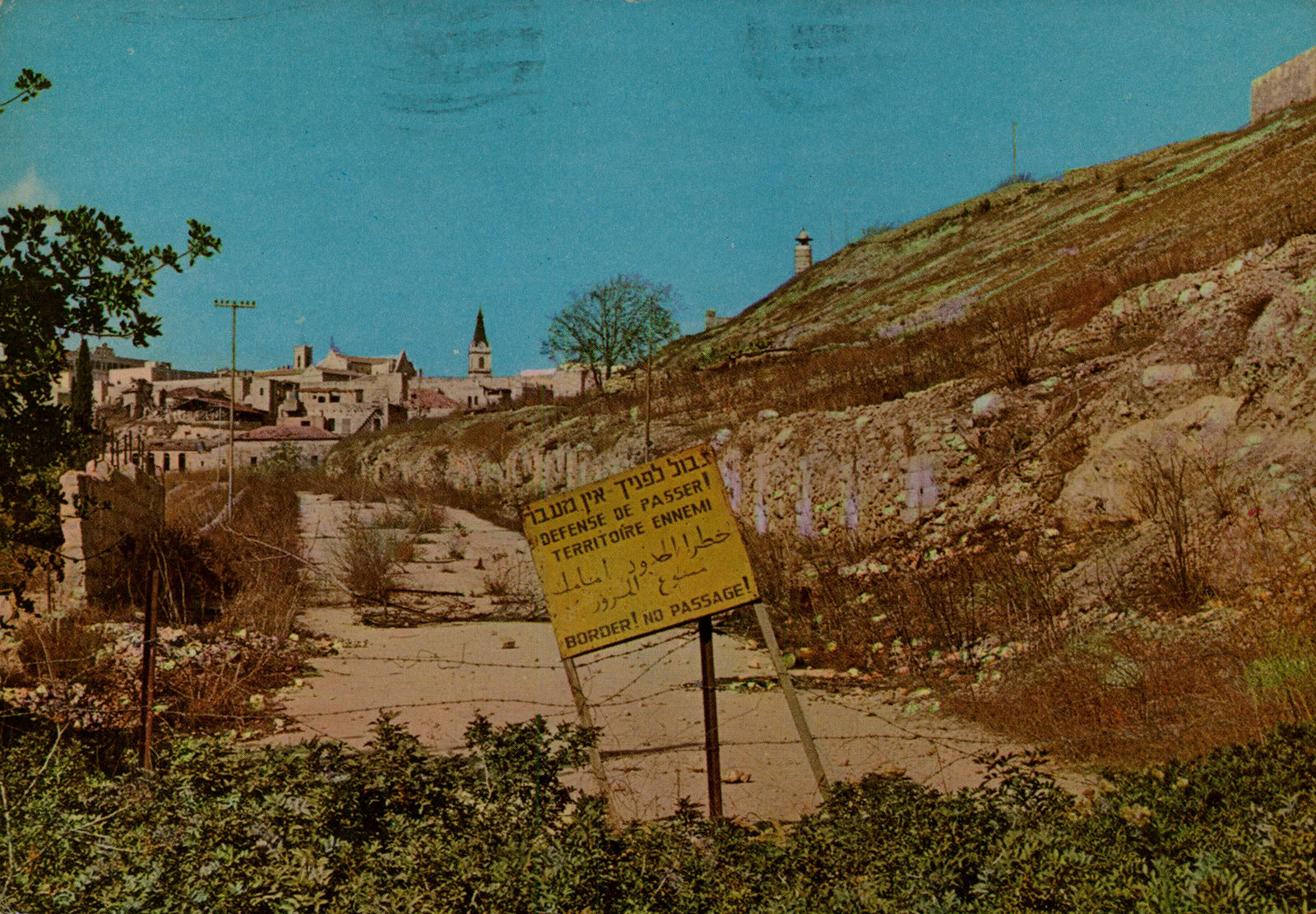
Keeping in Touch: Postcarding Borderscapes in Palestine–Israel – Material Postal Entanglements across Shifting Borders
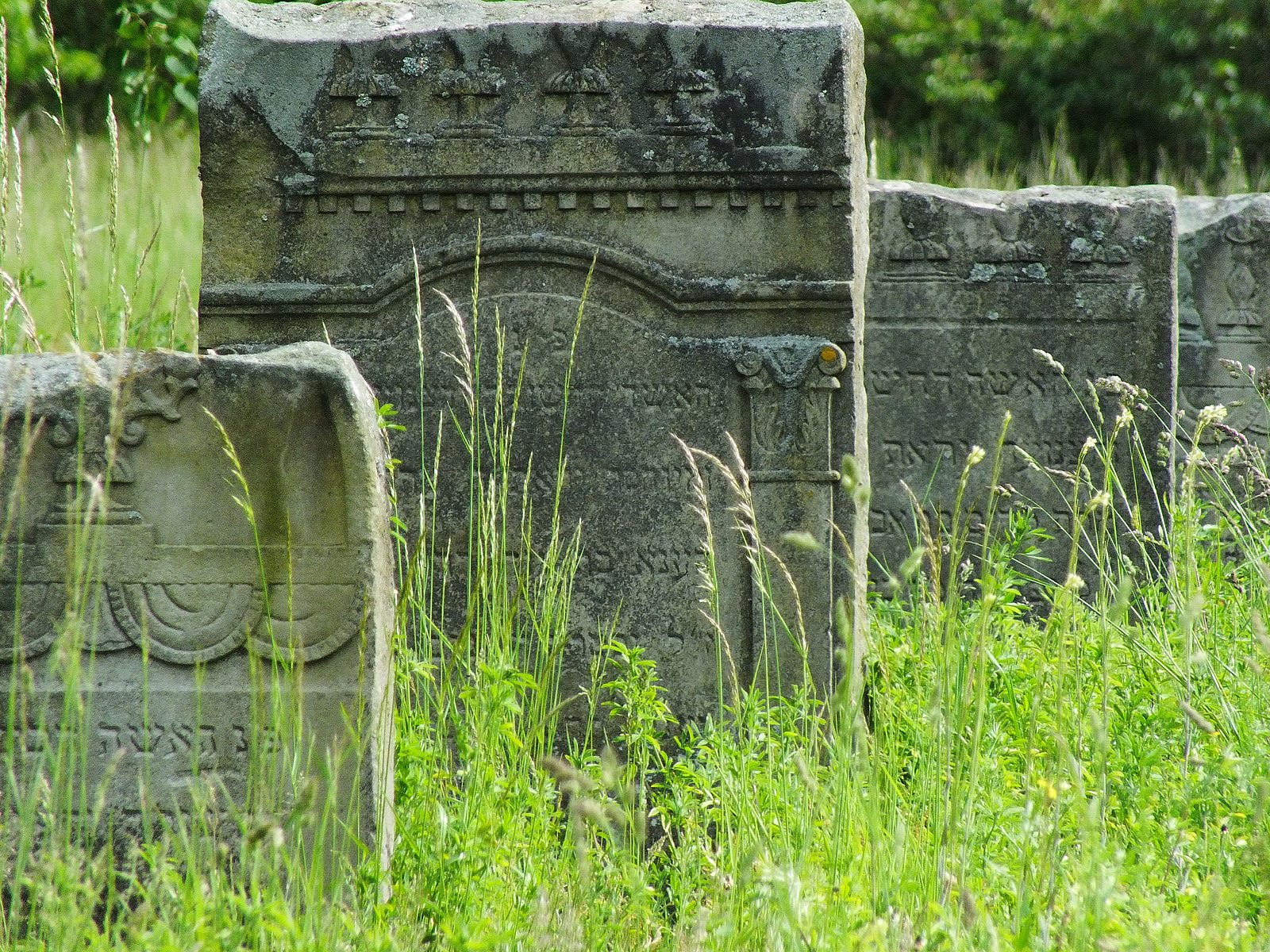
Between Ruins and Revival – Jewish Identity and Material Heritage in Post-Communist Poland
Places of Jewish Knowledge – The Wissenschaft des Judentums and its Material Sites in Berlin’s Urban Landscape, 1871–1961

Traces of belonging(s) – on the materiality of the imprisonment experience of Jewish women in the Ravensbrück women’s concentration camp
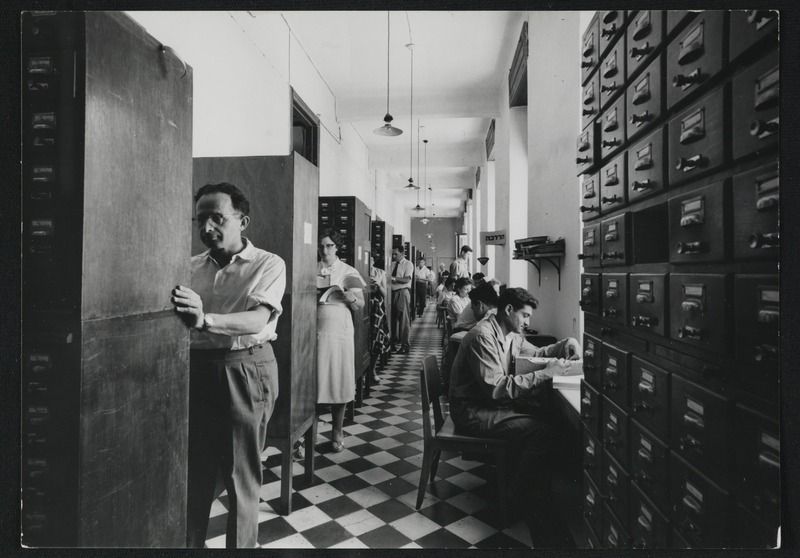
Aufbau im Übergang – Curt Wormann and the Jewish National and University Library between Nation-building and Cultural Diplomacy
To Change, Question, and Criticize – Concepts of a ‘Werk’ and Concepts of Objects in Illustrated Magazines in Berlin and Vienna during the 1920s.
“Mes poumons comme les rouleaux de la Thora” – Towards a Poetics of the Trace: Jewishness, Exile, and Writing in the Work of Hélène Cixous
Courtesy of the Archives of the Hebrew University of Jerusalem
Courtesy of the Archives of the Hebrew University of Jerusalem
Courtesy of the Archives of the Hebrew University of Jerusalem
Nation-Building and Cultural Heritage – The Making of the Jewish National Library in Jerusalem, 1892–1948
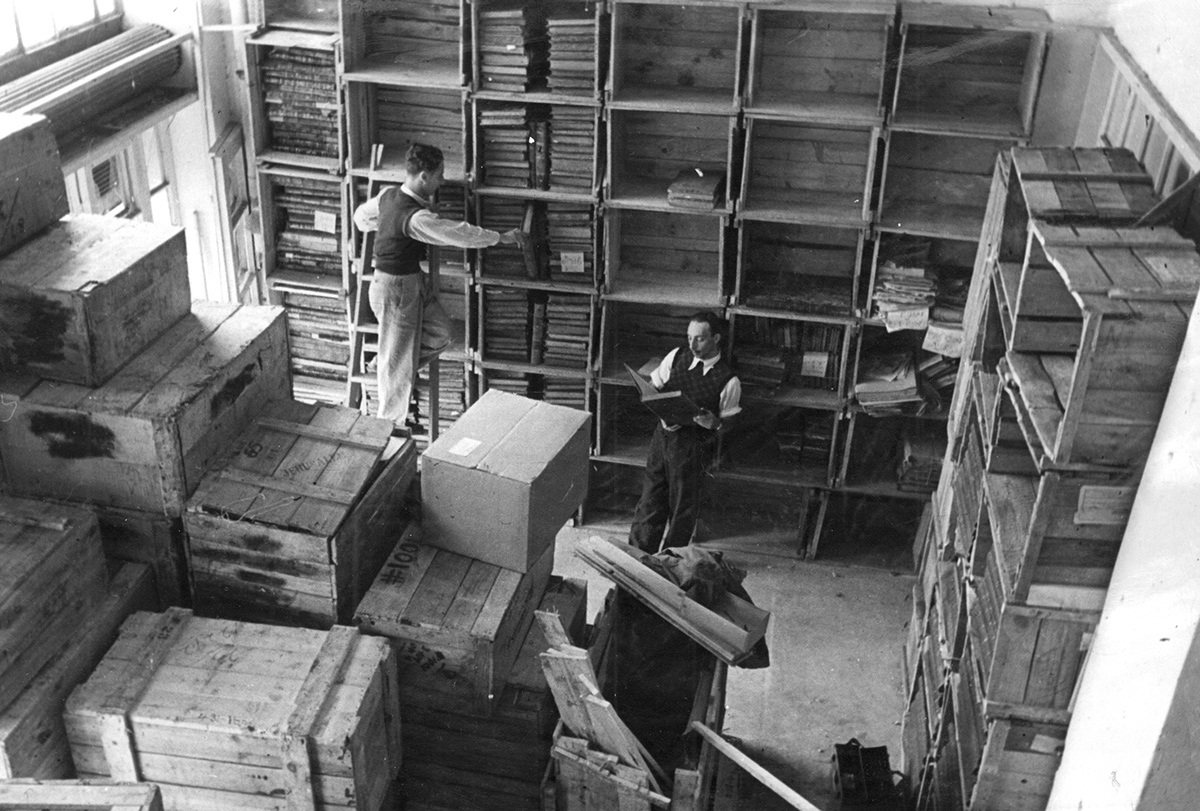
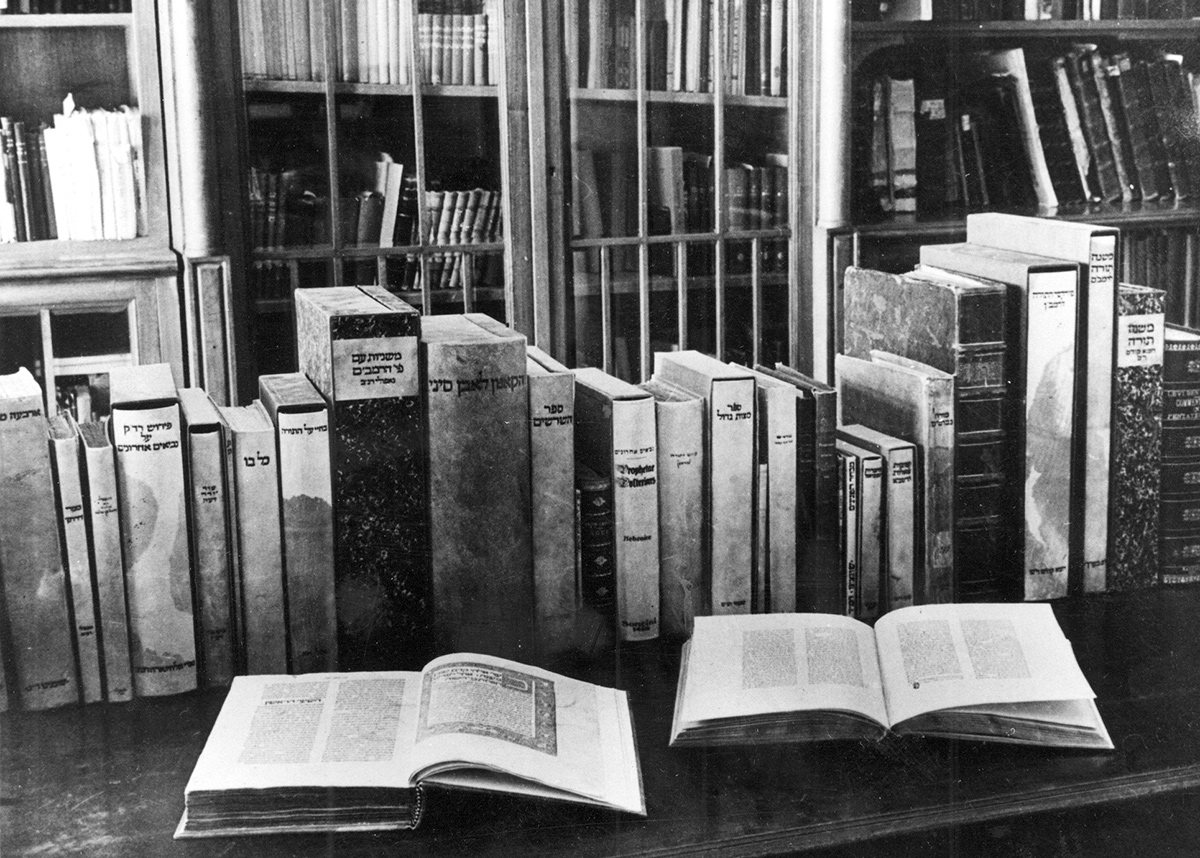
The main aim of the project is to explore the history of the Jewish National Library in Jerusalem (JNL) from its establishment in 1892 until 1948, i.e., in the period prior to the foundation of the State of Israel. The project seeks to examine the role played by the JNL in the creation of Jewish national culture in the Yishuv. It aims to capture how the rapidly changing political and social reality in Palestine of the first half of the 20th century was reflected in the development of the library, how the tensions and conflicts that emerged with the successive waves of Jewish immigration were negotiated by its subsequent managers, and what was the model of national heritage that the library sought to advance through its book collections and everyday activity. In particular, the project will discuss the role of the JNL in the secularisation of Jewish culture while exploring some major debates—for instance, on the adequate relation between the sacred and the profane, on the primacy of the scientific over the popular, on the monolingual or multilingual character of the library, or on the library’s relation to the Arab culture in Palestine—that marked its history until 1948. Simultaneously, the project will investigate the connections between the JNL and other libraries and cultural institutions in Europe, especially during some major upheavals of the century, among them World War I, the economic depression of the 1930s, the Nazi rise to power in Germany, World War II, and the Holocaust. By placing the history of the JNL in this dual—both national and transnational—framework, the project strives to enrich the historical knowledge on nation-building and cultural heritage as they evolved in the Yishuv, and to shed new light on the influence of European nationalism on Jewish nation- and heritage-building.