
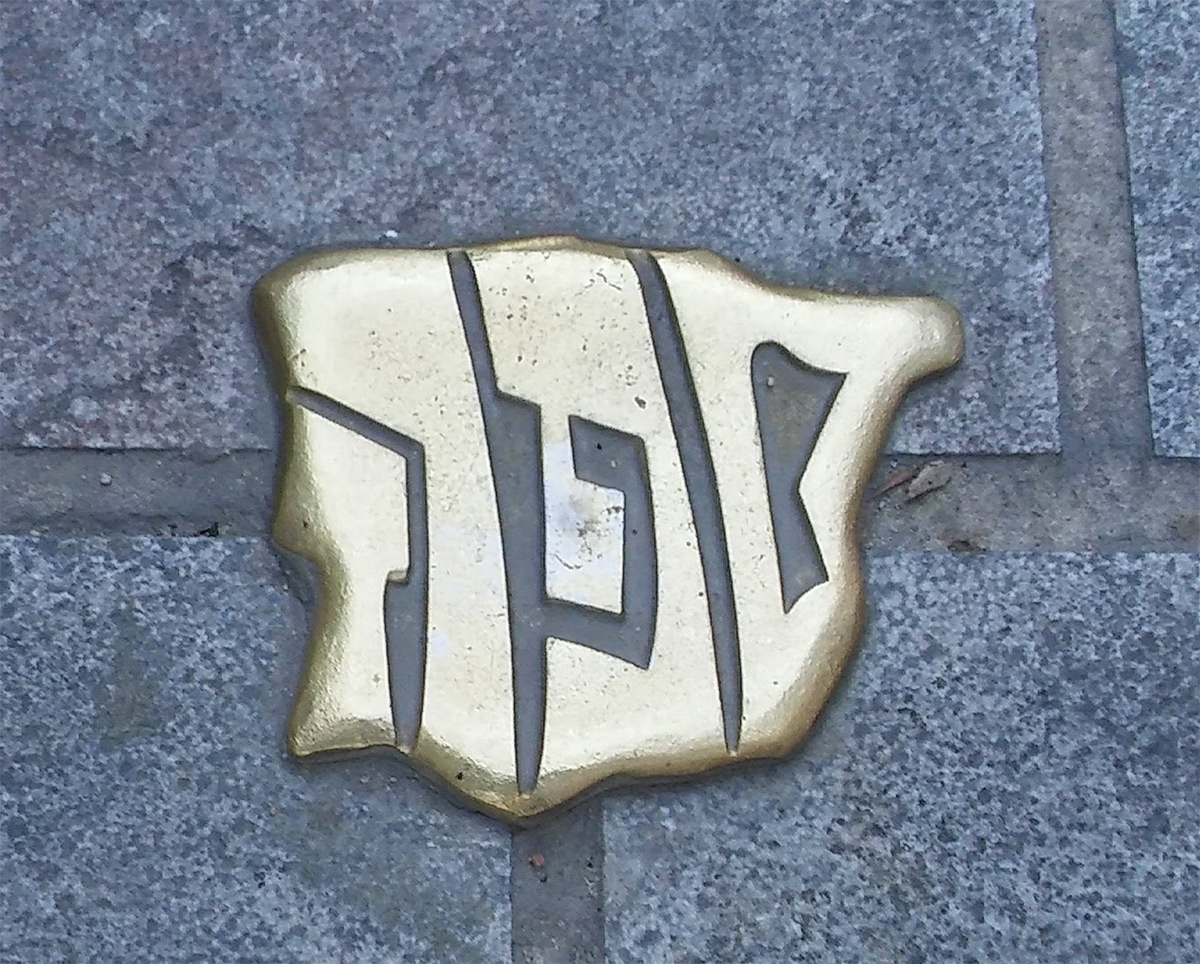
Materializing Memory and Sanctifying Place – Jewish Sephardic Heritage in Contemporary Spain

Threads of Identity – The Evolution of Israeli Fashion and the Attempt to Create a National Dress

The Written Silent, the Visible Absence, and the Text in the Written after 1945 – Materiality of Catastrophe, Exile and Belonging in Barbara Honigmann’s Writings
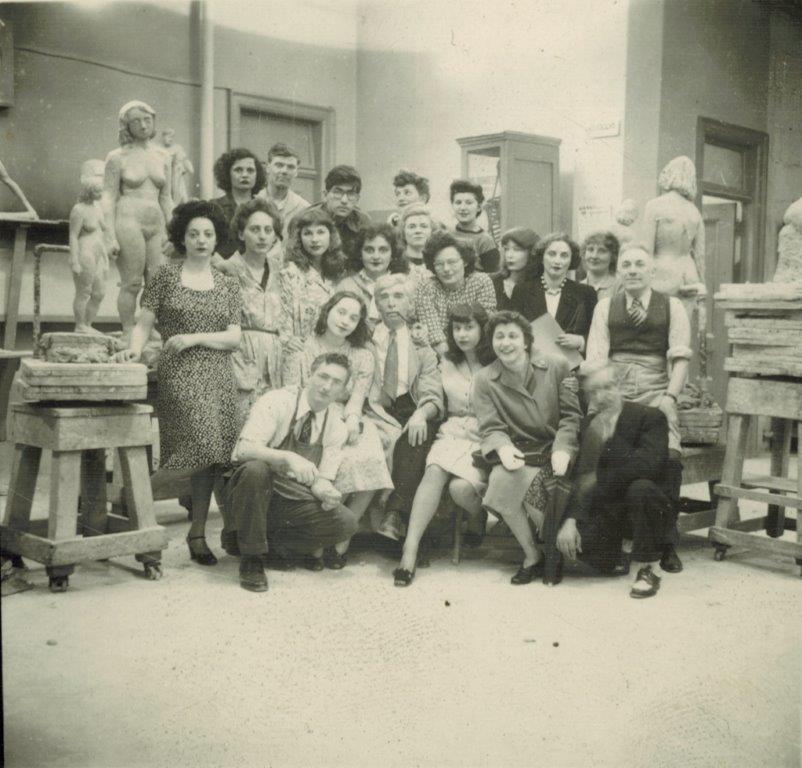
The Origin of Form and the Ephemeral Nature of Belonging(s): Jewish Women Sculptors in Twentieth-Century Vienna
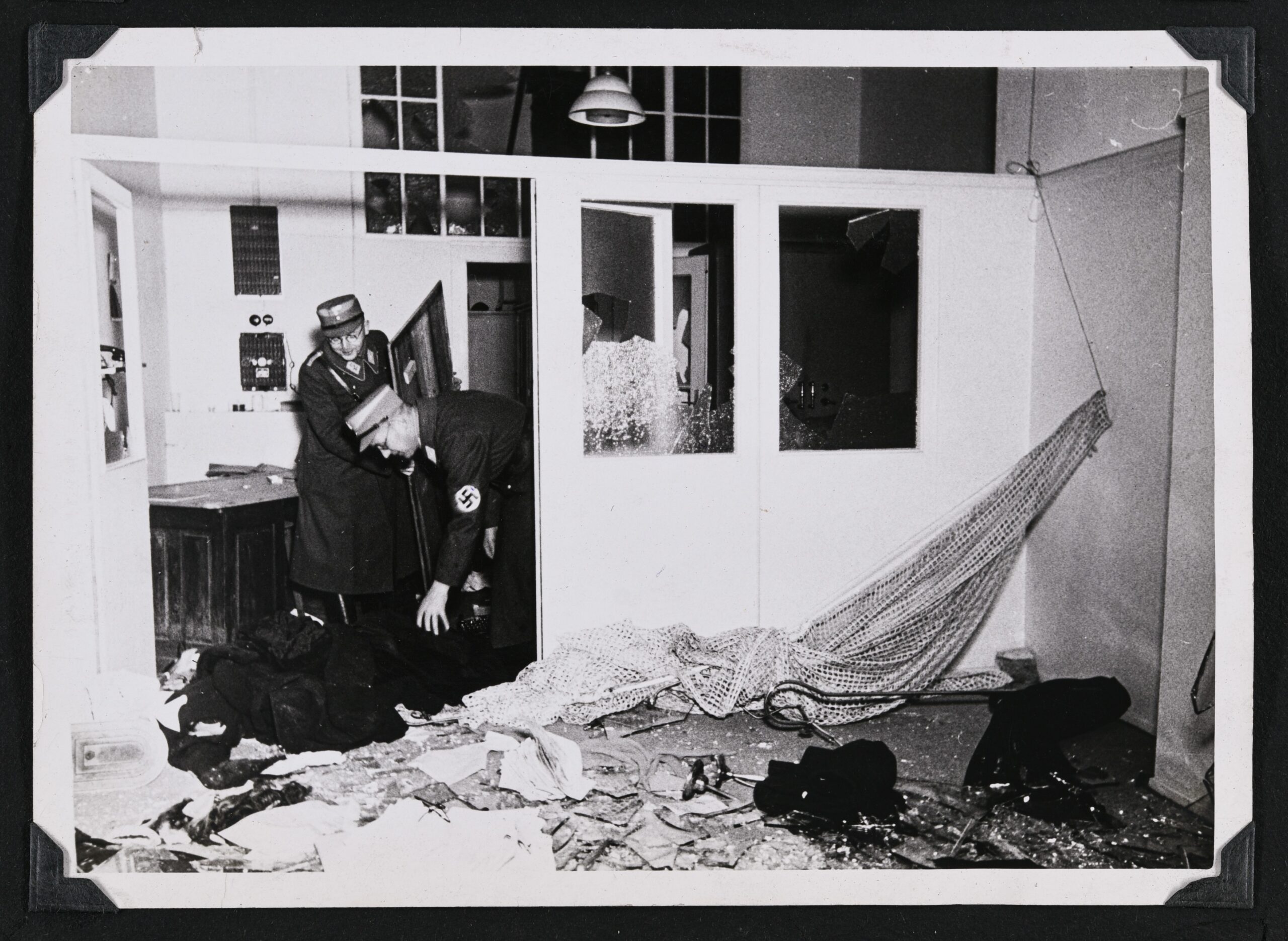
“Home was not Home anymore.” The Destruction of Private Jewish Living Spaces in the November Pogroms of 1938
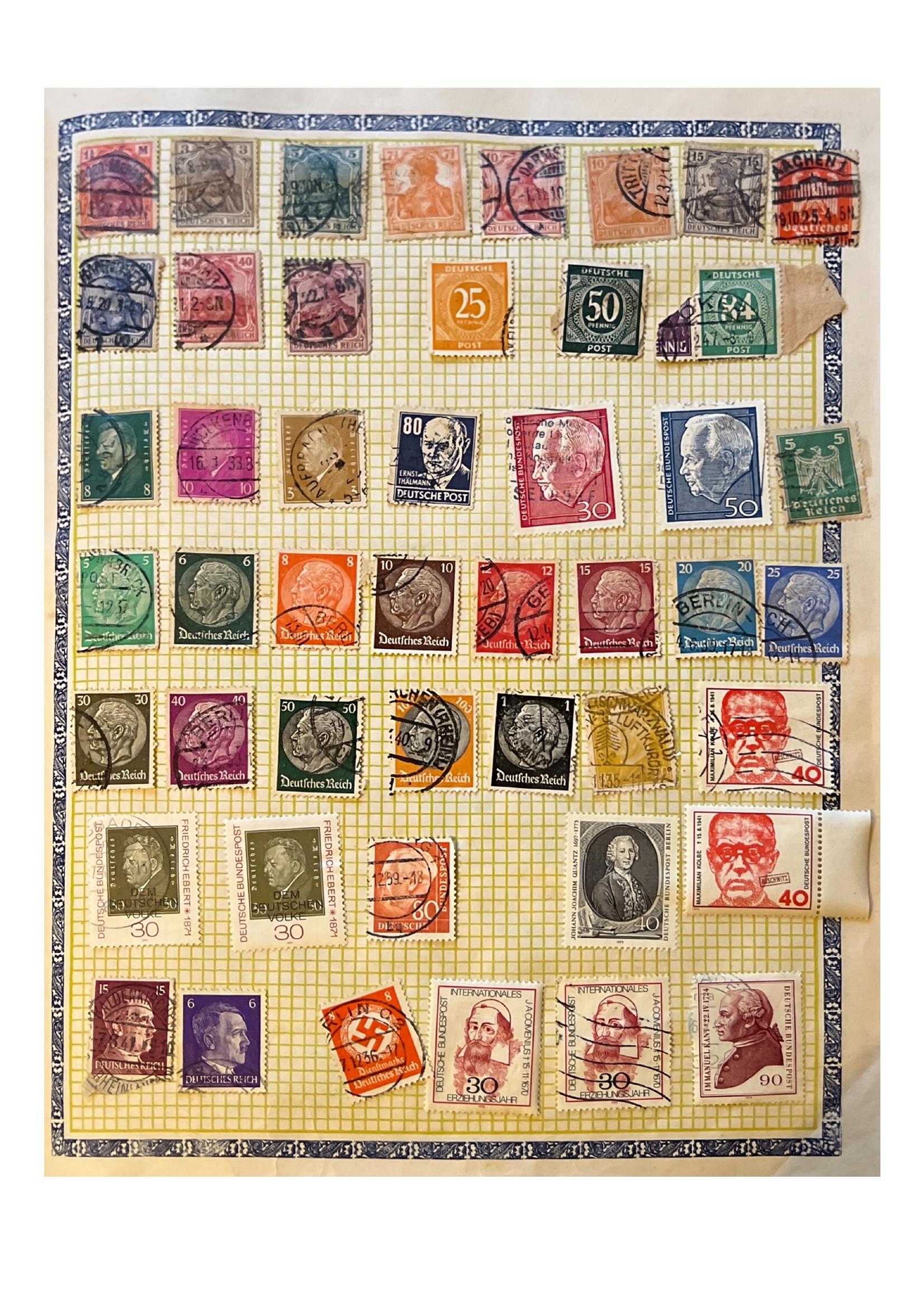
Corresponding with history – Jewish Postage Stamp Collectors and Jewish Emancipation
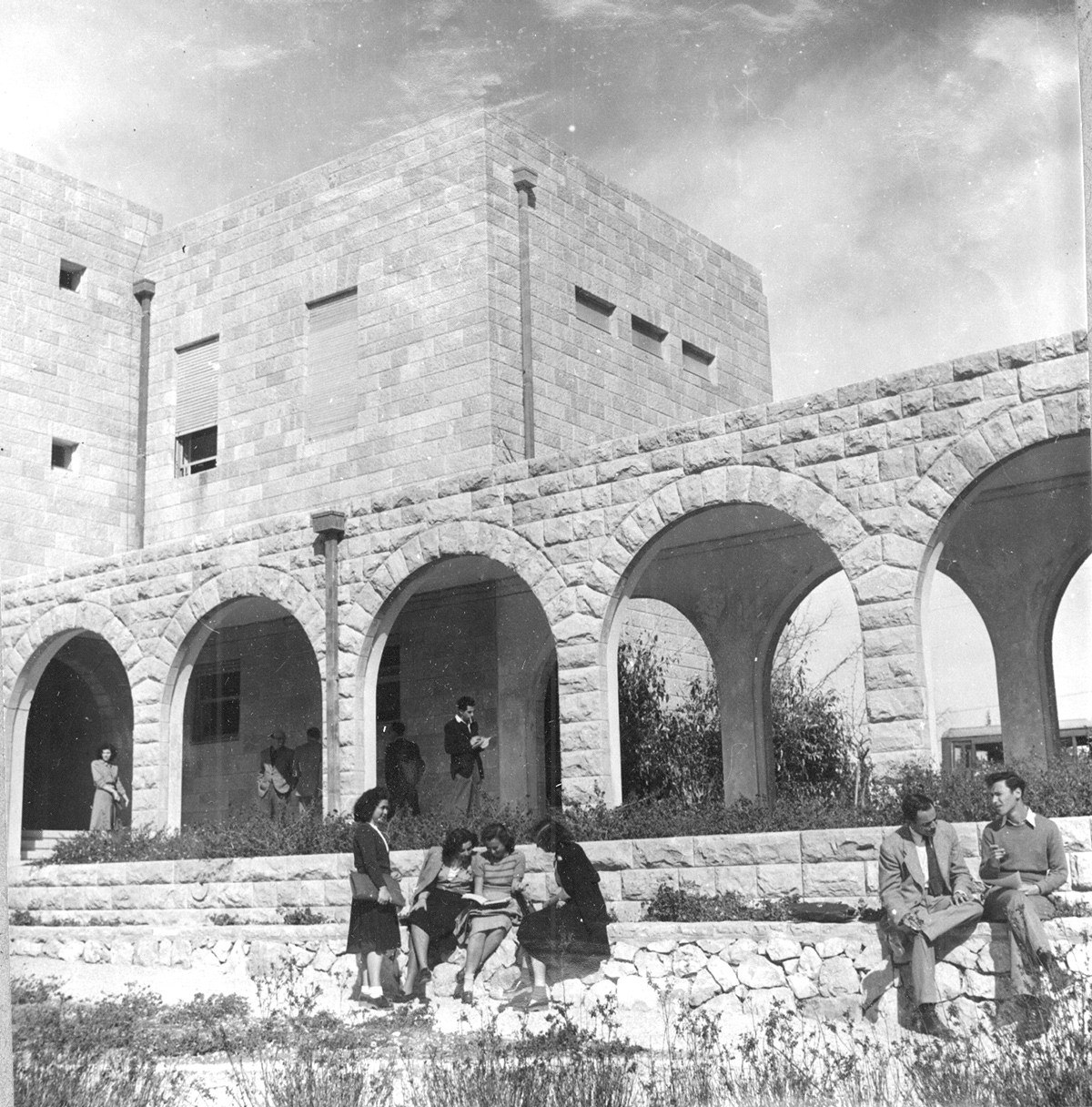
Nation-Building and Cultural Heritage – The Making of the Jewish National Library in Jerusalem, 1892–1948
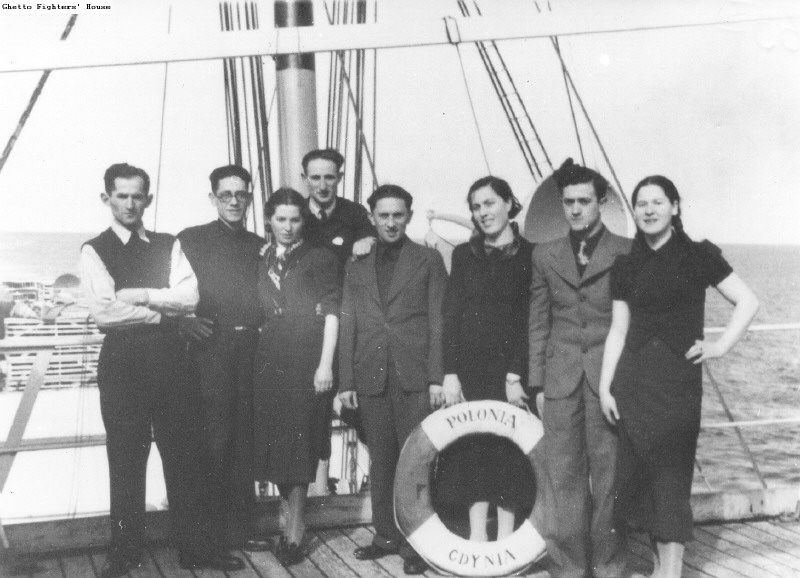
DVARIM POLANIM – Material Culture and the Changing Identity of Polish Jews in Israel across the 20th Century
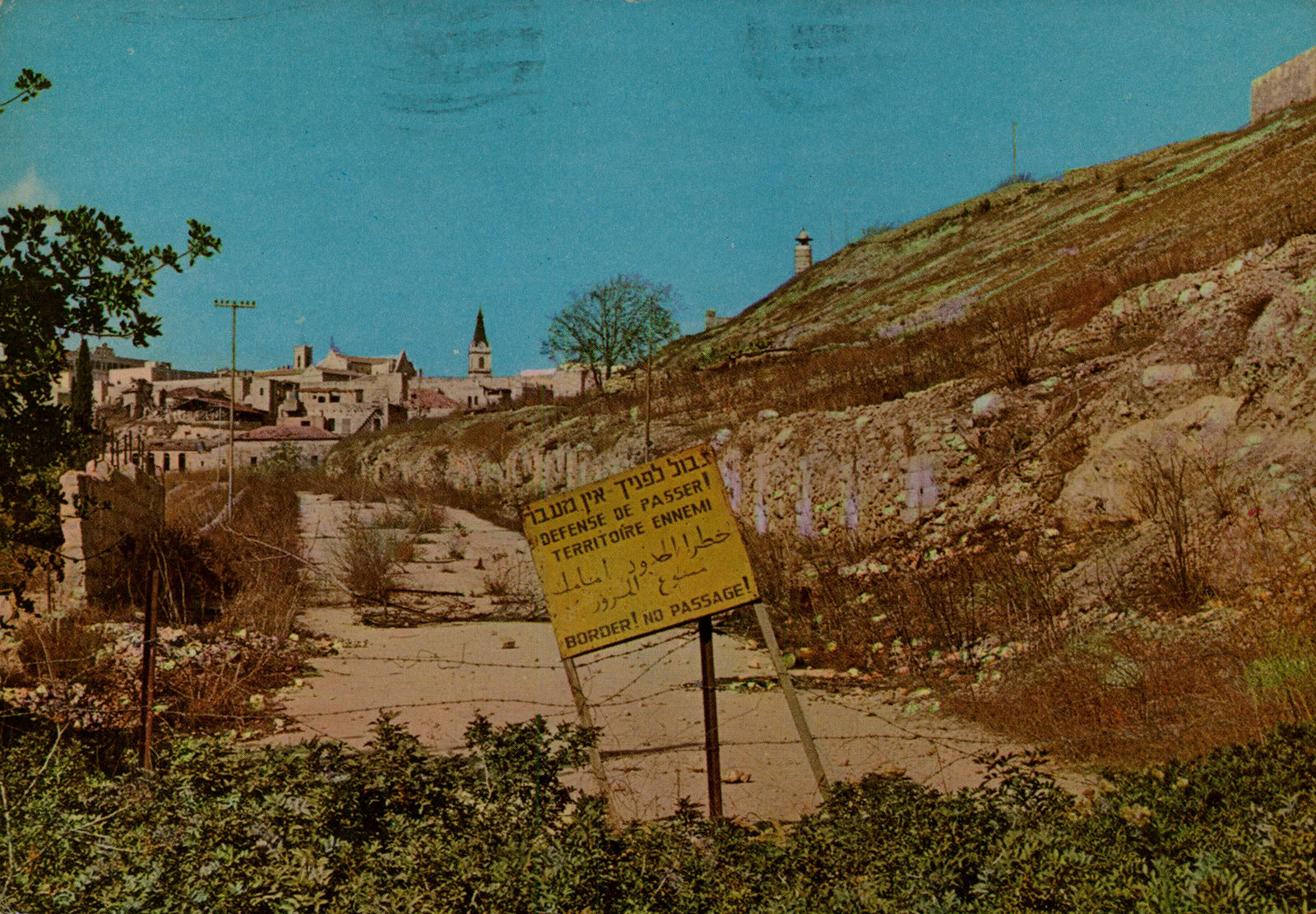
Keeping in Touch: Postcarding Borderscapes in Palestine|Israel – Material Postal Entanglements across Shifting Borders

Between Ruins and Revival – Jewish Identity and Material Heritage in Post-Communist Poland
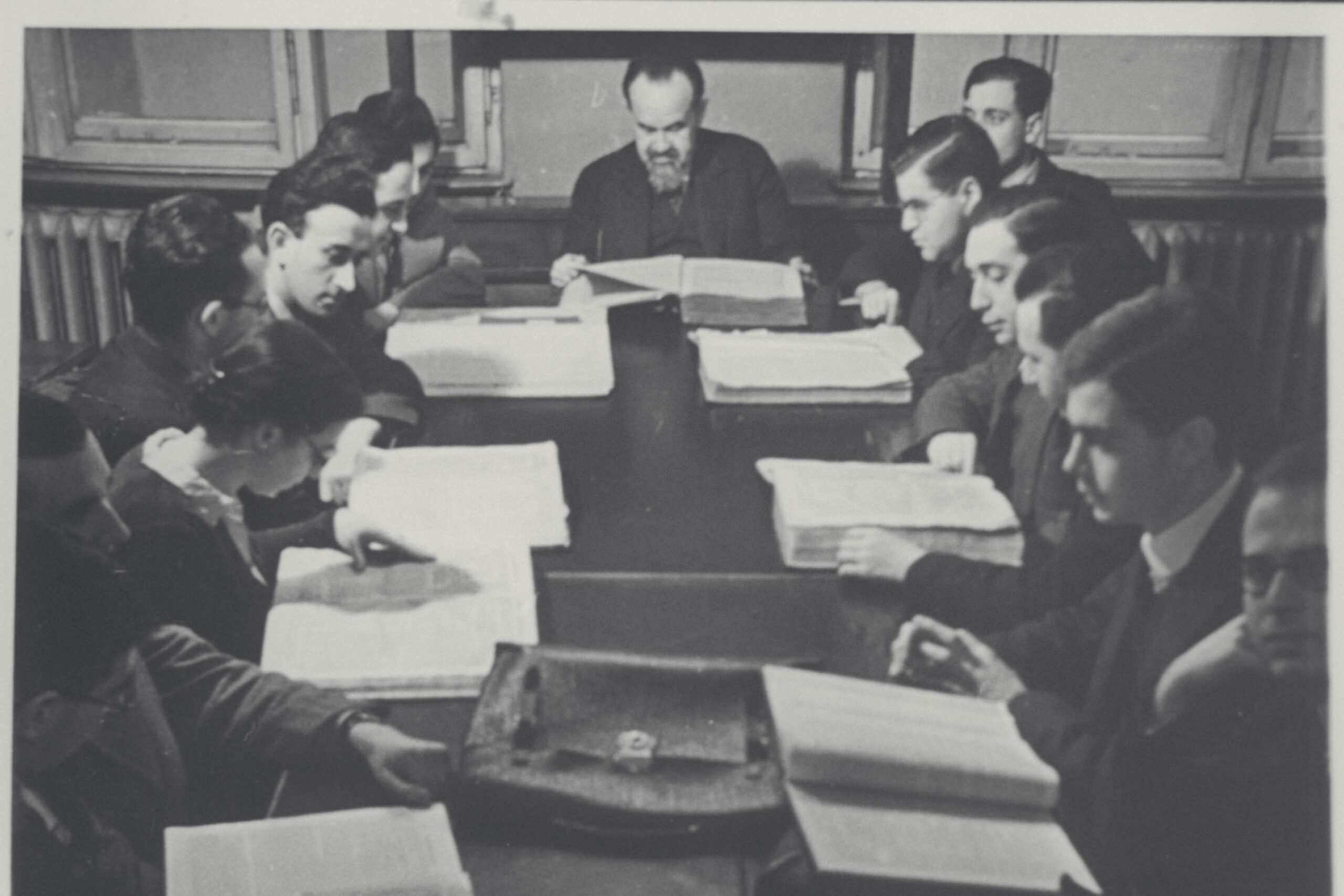
Places of Jewish Knowledge – The Wissenschaft des Judentums and its Material Sites in Berlin’s Urban Landscape, 1871–1961

Traces of belonging(s) – on the materiality of the imprisonment experience of Jewish women in the Ravensbrück women’s concentration camp
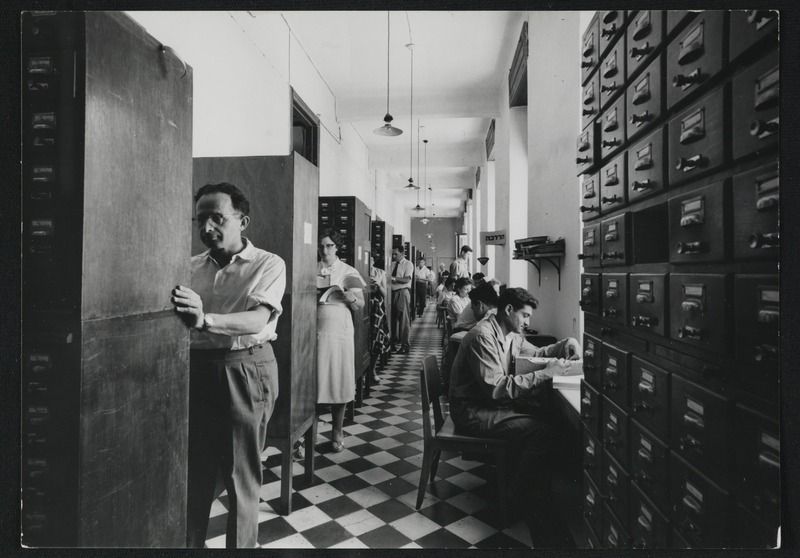
Aufbau im Übergang – Curt Wormann and the Jewish National and University Library between Nation-building and Cultural Diplomacy
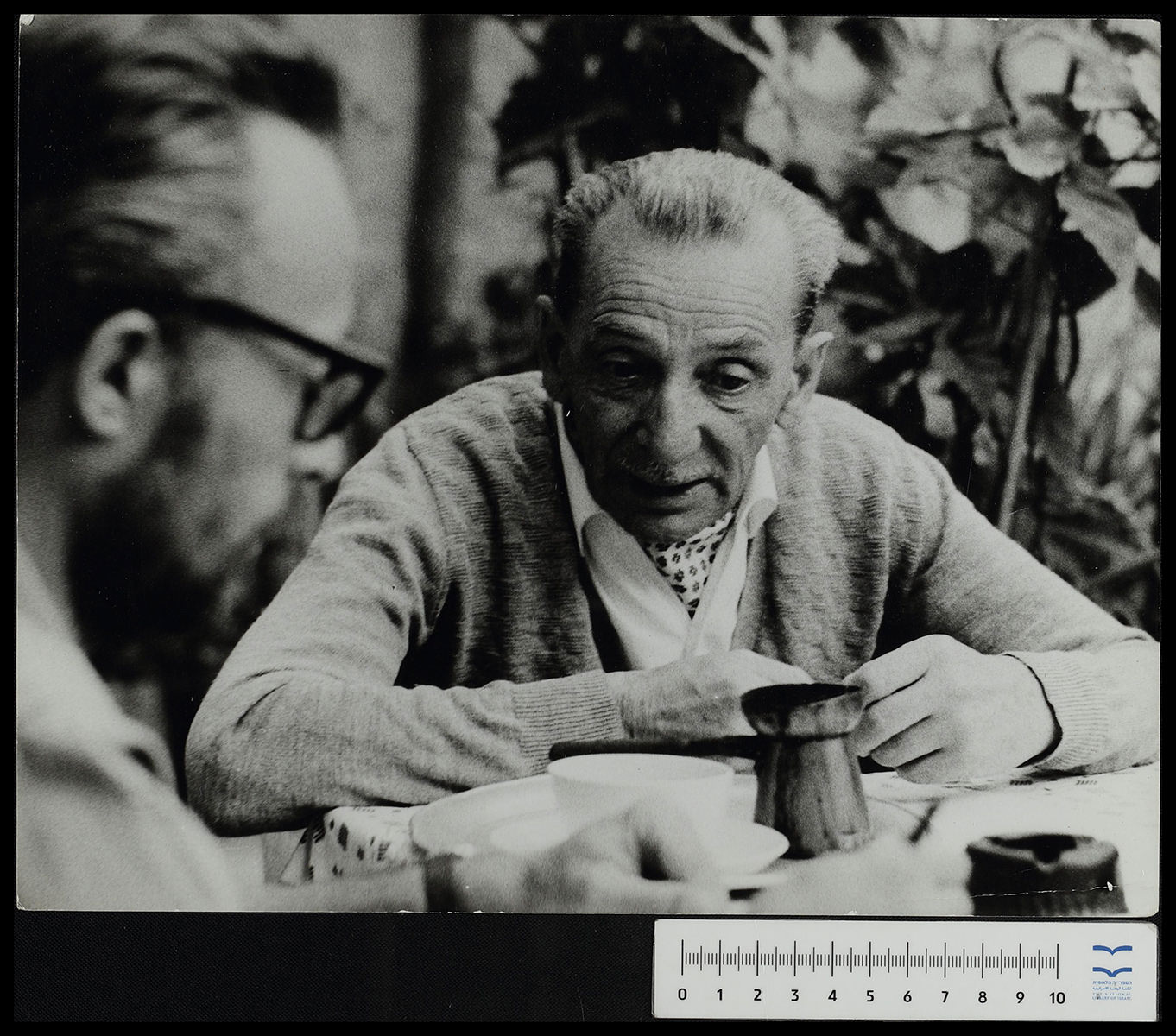
To Change, Question, and Criticize – Concepts of a ‘Werk’ and Concepts of Objects in Illustrated Magazines in Berlin and Vienna during the 1920s.

“Mes poumons comme les rouleaux de la Thora” – Towards a Poetics of the Trace: Jewishness, Exile, and Writing in the Work of Hélène Cixous
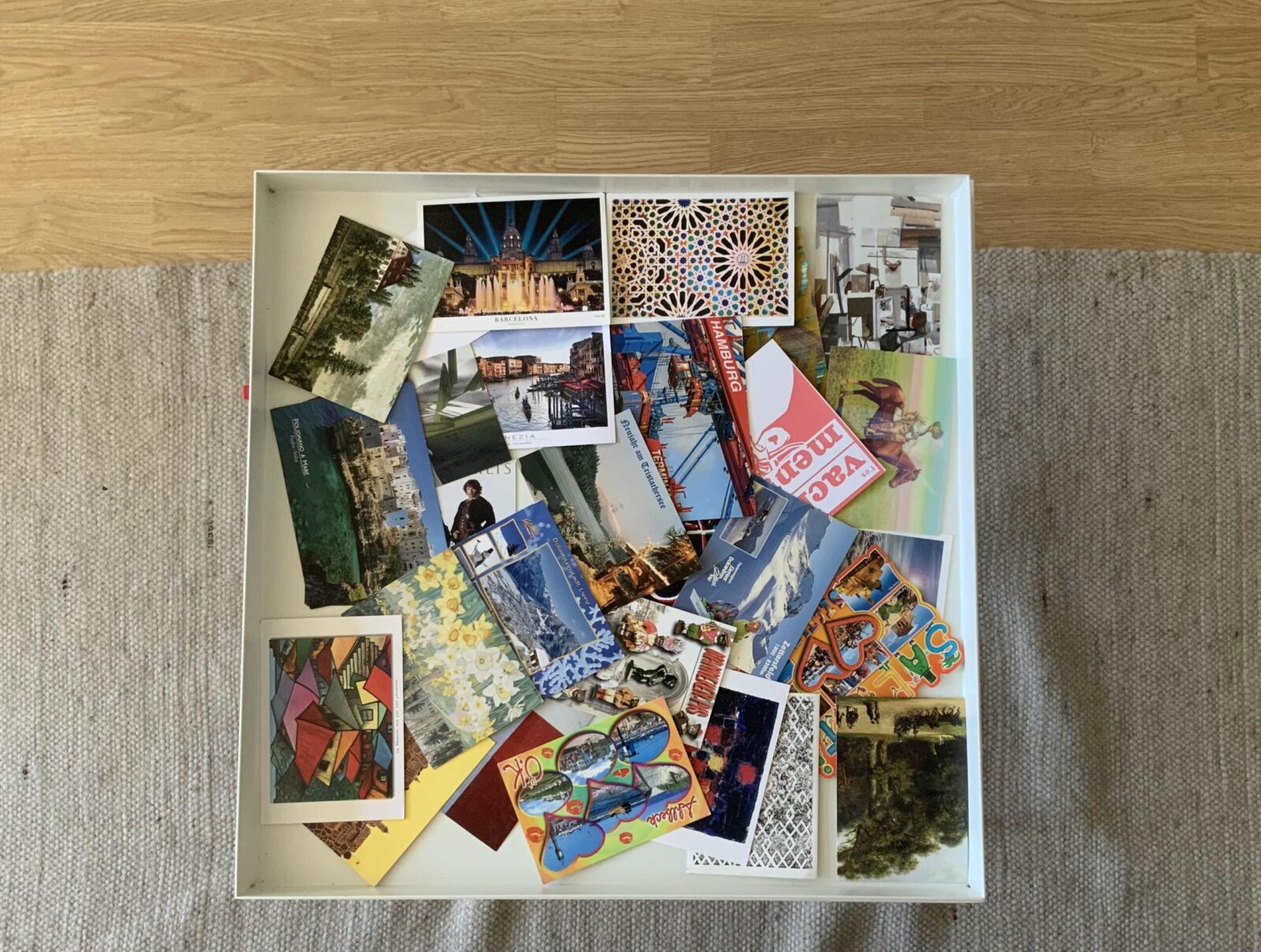
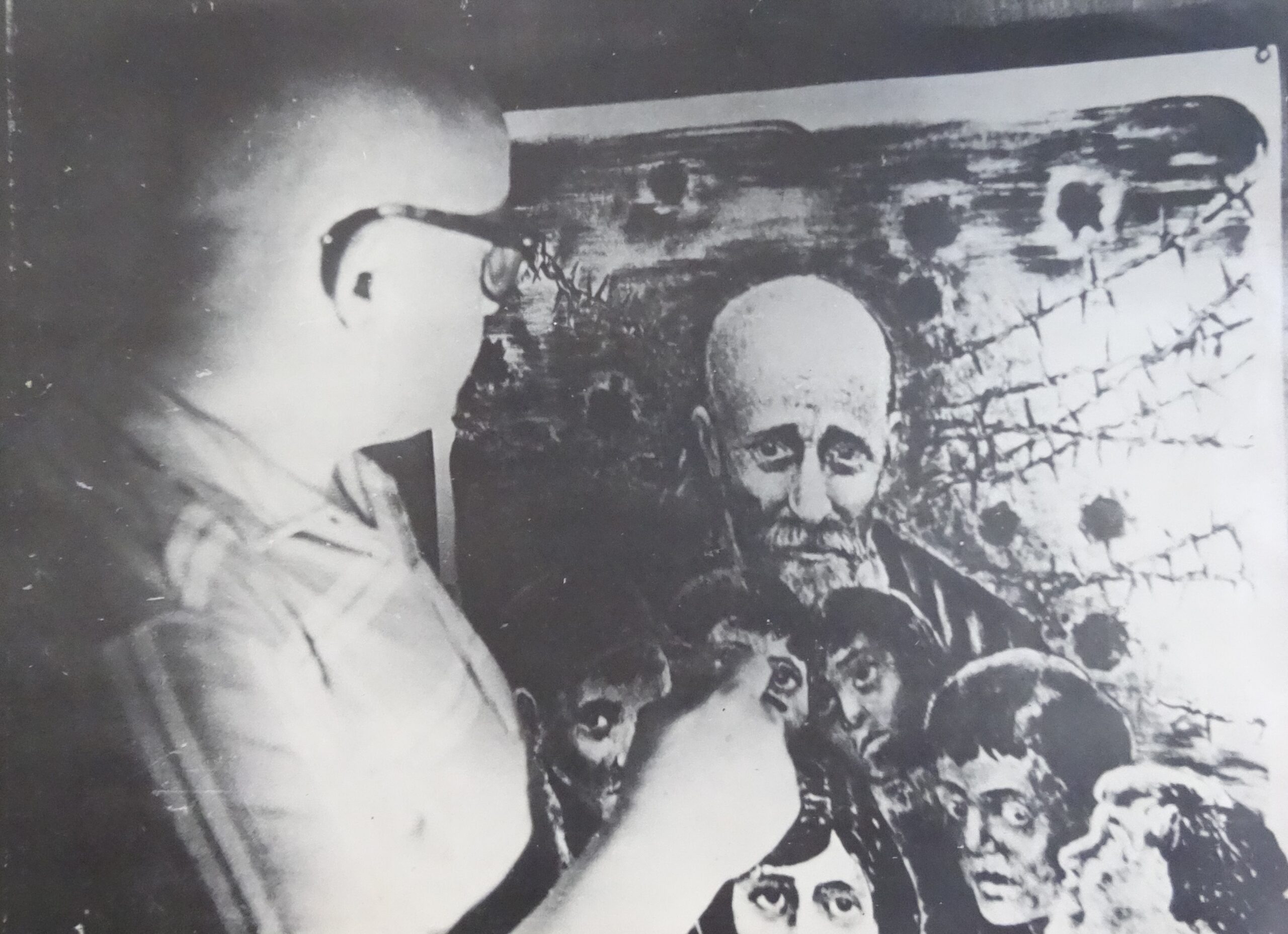


The British-Jewish Case of German-Jewish Cultural Restitution: A British (Jewish) Pace in a Changing (Jewish) World
This doctoral research traces the fate of Jewish cultural property in Germany after the Holocaust within the British occupation zone and its subsequent arrival in Britain. It focuses on Jewish-British restitution initiatives from 1933 into the late 1950s, when the Jewish Trust Corporation for Germany Ltd. (JTC) largely concluded its efforts. The project reveals a distinct narrative different from Zionist, German-Jewish, or American approaches to restitution, offering new insights into British Jewry and its interactions with German-Jewish heritage in the postwar period.
The study examines the evolution of British Jewish attitudes and approaches toward salvaging and recovering Jewish cultural property, beginning with wartime salvage efforts and extending through the complexities of postwar restitution politics. It explores the competing visions and tensions within British Jewry and between British Jewish organizations, British governmental bodies, and German authorities. Through detailed case studies the research uncovers the practical challenges and ideological conflicts shaping restitution outcomes.
Methodologically, the dissertation is grounded in extensive archival research across ten archives in Israel, Britain, and Germany, incorporating previously unpublished documents. It combines these primary sources with scholarly literature to construct a detailed and nuanced narrative of restitution that highlights the pragmatism and complexities of British Jewish efforts, their distinctive legal and political navigation within the British occupation zone, and the broader implications for understanding post-Holocaust Jewish memory, heritage preservation, and community identity.
The research examines British Jewish organizations’ strategies in negotiating the intricate legal and political frameworks that governed restitution during the postwar period. It also focuses on the internal debates and differing visions within the British Jewish community concerning the allocation and preservation of recovered cultural property. This involves exploring the tensions between maintaining cultural ties to Europe, fostering Jewish identity in Britain, and responding to the emerging state of Israel.
Further, the dissertation investigates specific examples of restituted cultural assets, analyzing their symbolic and material significance. These case studies serve to illuminate how restitution was not only a process of recovery but also a negotiation of collective memory and identity among British and German Jews. The project ultimately aims to contribute to broader discussions on the roles of material culture and heritage in post-conflict communal reconstruction.
